Stone Circles
 78
78

Stone Circles
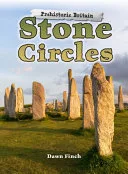
Dawn Finch's 'Stone Circles' offers a straightforward introduction to a subject often shrouded in conjecture. The book excels in its clarity, presenting the basic facts about these ancient monuments without overwhelming the reader. Finch effectively communicates the scale of human achievement involved in their construction, a point emphasized by the sheer size of the megaliths.
However, for the seasoned occultist or historian, the treatment may feel somewhat superficial. While the book touches upon the potential astronomical and ritualistic purposes, it largely refrains from delving into the deeper esoteric interpretations that many associate with sites like Stonehenge. The section on construction methods, while informative, could have benefited from more detailed analysis of the techniques employed. Despite this limitation, Finch provides a solid foundation for understanding the physical presence and historical timeline of stone circles, making it a valuable starting point for the uninitiated.
Read more ↓
Ultimately, 'Stone Circles' serves as a well-organized primer on a significant aspect of ancient human heritage.
📝 Description
78
### What Are Stone Circles?
Stone Circles are ancient megalithic monuments characterized by large stones arranged in a circular formation. Primarily found in the British Isles, with over 1,300 estimated in the United Kingdom alone, these structures represent a tangible link to prehistoric human activity. The book explores the fundamental nature of these formations, detailing their construction and common features.
### Who Should Explore Stone Circles?
This work is aimed at individuals curious about ancient history, archaeology, and the enduring mysteries of our ancestors. It is particularly suited for those seeking clear, accessible information on prehistoric monuments without requiring a deep academic background. Readers interested in the practicalities of ancient engineering and the cultural significance of such sites will find it beneficial.
### The Historical Tapestry of Stone Circles
The construction of stone circles spans millennia, with many dating back to the Neolithic and Bronze Age periods. These monuments were erected by sophisticated societies possessing considerable organizational and engineering skills. The book places these constructions within their broader historical context, examining the periods in which they were most prevalent and the societies that built them.
### Core Concepts in Megalithic Studies
Key concepts explored include the astronomical alignments often found in stone circle designs, suggesting a sophisticated understanding of celestial cycles. The book also touches upon the potential ritualistic or ceremonial purposes of these sites, moving beyond mere architectural curiosity to explore their function within ancient belief systems.
💡 Why Read This Book?
• Gain a clear understanding of the physical characteristics and estimated construction timelines of over 1,300 known stone circles in the UK, distinguishing them from later constructions. • Discover the practical challenges and likely engineering solutions employed by Neolithic peoples to erect massive stone blocks, offering insight into ancient ingenuity. • Explore the potential ceremonial and astronomical functions of these sites, providing a foundation for further investigation into their role in prehistoric belief systems.
⭐ Reader Reviews
Honest opinions from readers who have explored this book.
❓ Frequently Asked Questions
When were most stone circles built?
The majority of stone circles were constructed during the Neolithic and Bronze Age periods, roughly spanning from 4000 BCE to 1500 BCE. This era saw significant advancements in human society and monument building across Europe.
What is the purpose of stone circles?
While definitive proof is elusive, current theories suggest stone circles served multiple purposes, including astronomical observation for calendrical or ritualistic reasons, gathering places for communities, and sites for ceremonies or burials.
How did ancient people move giant stones for circles?
Evidence suggests ancient peoples utilized a combination of methods, including wooden rollers, levers, ropes made from natural fibers, and potentially sledges. Waterways were also likely used for transporting stones over longer distances.
Are there many stone circles in the UK?
Yes, the United Kingdom boasts a significant concentration of stone circles, with estimates exceeding 1,300. Major examples include Stonehenge, Avebury, and Callanish, representing a rich legacy of megalithic architecture.
What is the difference between a stone circle and a henge?
A henge is a type of earthwork, typically a circular enclosure with banks and ditches, often containing standing stones or a stone circle within it. Stone circles are specifically the arrangement of upright stones, which may or may not be part of a henge.
Who built the stone circles mentioned in the book?
The book attributes the construction of stone circles to ancient ancestors, primarily from the Neolithic and Bronze Age periods. These were sophisticated societies with developed organizational and engineering capabilities.
🔮 Key Themes & Symbolism
Prehistoric Engineering Prowess
The book highlights the remarkable engineering skills of ancient peoples. It details the immense effort and sophisticated techniques likely employed to quarry, transport, and erect massive stone blocks, some weighing many tons. This theme underscores the advanced organizational capabilities and practical knowledge of Neolithic and Bronze Age societies, challenging simplistic views of primitive pasts.
Astronomical Alignments and Calendrics
A significant aspect explored is the deliberate astronomical alignment of many stone circles. The work discusses how these monuments may have functioned as sophisticated calendars or observatories, tracking celestial movements like the solstices and equinoxes. This suggests a deep understanding of the cosmos and its influence on agricultural cycles and ritual practices.
Ritual and Community Hubs
Beyond their physical structure, the book examines the potential social and spiritual roles of stone circles. They are presented as likely centers for community gatherings, religious ceremonies, and possibly as sites for ancestral veneration. This thematic exploration delves into the symbolic importance these ancient landscapes held for the people who built and used them.
The Enduring Mystery of Purpose
While presenting current archaeological theories, the book also acknowledges the inherent mystery surrounding the exact purposes of many stone circles. It encourages readers to contemplate the motivations of their builders and the significance these sites held, emphasizing that much remains subject to interpretation and ongoing research.
💬 Memorable Quotes
“Monuments made up of large stones arranged so that they are standing in a circle.”
— This foundational definition succinctly captures the essence of a stone circle, setting a clear baseline for understanding these ancient structures before delving into their complexities.
“It is believed that there are over 1,300 stone circles in the United Kingdom.”
— This statistic immediately conveys the widespread presence and cultural significance of these monuments within a specific geographical context, emphasizing their importance to British heritage.
“They are a fascinating reminder of our ancient ancestors.”
— This phrase highlights the human connection to these ancient sites, positioning them not just as archaeological curiosities but as tangible links to the lives, beliefs, and capabilities of past generations.
“How did ancient people build these circles using such giant stone blocks?”
— This question directly addresses the core engineering challenge and enduring fascination surrounding stone circles, prompting readers to consider the ingenuity and effort involved in their construction.
“This book provides all the information you need to know about stone circles in a clear and simple way.”
— This statement sets the book's objective: to offer accessible knowledge, making the complex subject of megalithic structures understandable to a broad audience without specialized academic training.
🌙 Esoteric Significance
Tradition
While 'Stone Circles' is primarily an archaeological and historical text, its subject matter inherently touches upon ancient spiritual and cosmological understandings. It aligns with traditions that explore Earth mysteries and geomancy, seeking to understand the energetic or symbolic significance of ancient sites. The book provides factual grounding for practices that might later incorporate these locations into ritual or meditative work, bridging empirical study with a search for deeper meaning.
Symbolism
The primary symbols are the circle itself, representing wholeness, eternity, and the cyclical nature of time and seasons, and the standing stones (menhirs), which can symbolize ancestral connection, cosmic pillars, or focal points for terrestrial energies. The alignment of stones with celestial bodies further imbues them with symbolism related to the heavens, cosmic order, and divine influence on earthly affairs.
Modern Relevance
Contemporary practitioners of Neopaganism, Druidry, and geomancy frequently draw inspiration from stone circles. Sites like Avebury and Callanish are active places of pilgrimage and ritual. Modern thinkers in fields like archaeoastronomy continue to build upon the foundational questions these structures raise about ancient peoples' relationship with the cosmos and the Earth, inspiring new investigations into sacred landscapes.
👥 Who Should Read This Book
• Aspiring archaeologists and historians seeking a clear, factual overview of megalithic structures without dense academic jargon. • Individuals curious about the practical achievements of prehistoric peoples and the engineering feats required to build ancient monuments. • Readers interested in the potential astronomical and ritualistic uses of ancient sites, forming a foundation for exploring more specialized esoteric interpretations.
📜 Historical Context
Published in 2017, Dawn Finch's 'Stone Circles' enters a field with a long history of study, dating back to antiquarians like William Stukeley in the 18th century, who famously linked Stonehenge to druidic practices. Finch's work arrives in an era where sophisticated archaeological techniques and interdisciplinary approaches (including archaeoastronomy) have refined our understanding, moving beyond earlier speculative theories. While the book itself doesn't engage directly with contemporary academic debates or specific critical reviews, it implicitly addresses the ongoing scholarly interest in Neolithic and Bronze Age societies. It contrasts with more esoteric interpretations that emerged particularly in the late 19th and early 20th centuries, influenced by figures like Margaret Murray, who posited widespread witch cults associated with such sites. Finch's approach is more grounded in established archaeological consensus.
📔 Journal Prompts
The arrangement of stones in a circle.
The transport of giant stone blocks.
Astronomical observations from prehistoric sites.
The community significance of ancient monuments.
The enduring questions about stone circle purpose.
🗂️ Glossary
Megalith
A large stone that forms part of a prehistoric monument, either standing alone or used in conjunction with others. Megaliths are characteristic of Neolithic and Bronze Age structures.
Neolithic Period
The final division of the Stone Age, characterized by the development of agriculture and, in Europe, the construction of megalithic monuments. It roughly spans from 10,000 BCE to 4,500 BCE.
Bronze Age
A prehistoric period following the Stone Age, characterized by the widespread use of bronze for tools and weapons. In Britain, it typically ranges from around 2,500 BCE to 800 BCE.
Henge
A type of ancient monument consisting of a circular area enclosed by a bank and a ditch, often containing standing stones or a timber circle within. Stonehenge is a famous example of a henge monument.
Solstice
The two days of the year on which the sun reaches its highest or lowest point in the sky at noon, marking the longest and shortest days. These events were often important for astronomical alignments in stone circles.
Equinox
The two times of the year (around March 20 and September 22) when the sun crosses the celestial equator, making day and night of approximately equal length everywhere. These were also significant for ancient calendars.
Archaeoastronomy
The interdisciplinary study of how people in the past perceived and utilized astronomical phenomena in their cultures, often focusing on the alignment and orientation of ancient monuments.