Sleepless
 74
74

Sleepless
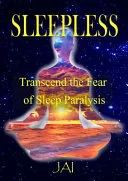
jamillah rodd's "Sleepless" confronts the reader with the visceral terror of liminal consciousness, moving beyond mere description to probe the existential questions these states provoke. The strength of the work lies in its raw, unflinching portrayal of sleep paralysis and out-of-body experiences, rendering them with an intensity that bypasses intellectualization and strikes directly at the gut. Rodd effectively captures the sensation of being "trapped in a parallel state of consciousness," a phrase that encapsulates the book's central theme. A notable limitation, however, is the occasional narrative drift; while the personal accounts are compelling, the threads connecting them to a broader esoteric framework could be more tightly interwoven. The passage describing the "sensation of floating out of your physical body, sinking or falling, weightless, adrift" powerfully illustrates the book's capacity to evoke profound disorientation. "Sleepless" offers a vital, albeit sometimes unsettling, exploration of the threshold between worlds.
📝 Description
74
Published in 2019, Sleepless chronicles experiences that blur the lines between consciousness and unconsciousness.
Jamillah Rodd's Sleepless addresses phenomena like sleep paralysis, out-of-body sensations, and waking nightmares. Rodd presents these not as simple psychological issues but as possible gateways to different realities. The writing conveys the fear and confusion of these states while also seeking order within the apparent chaos. This book will connect with readers who have faced similar unexplained nocturnal events or who have a strong interest in non-ordinary states of awareness. It is for those who question the usual limits of the mind and reality, seeking to understand the personal experience of dreams, sleep paralysis, and lucid dreaming. The work combines personal accounts with spiritual inquiry.
Readers interested in comparative mysticism and the subjective experience of altered states will find substantial content. Rodd's work contributes to a tradition of texts that examine the dream state and altered consciousness. Unlike older studies that may have relied solely on religious or psychological views, Sleepless blends a direct, visceral experience with an open spiritual search. The book's central idea is the 'parallel state of consciousness,' a space between waking and sleep.
Sleepless enters a long tradition of texts exploring dream states and altered consciousness. It follows in the footsteps of ancient shamanic practices and later writers like Helena Blavatsky and modern psychonauts. Rodd's work distinguishes itself by integrating direct, visceral personal accounts with an open-ended spiritual quest. This approach moves beyond purely religious or psychological frameworks, offering a contemporary perspective on these non-ordinary experiences.
💡 Why Read This Book?
• Gain a visceral understanding of sleep paralysis and out-of-body states, drawing on jamillah rodd's 2019 account to explore the physical sensations of paralysis and weightlessness. • Confront the potential for parallel states of consciousness to serve as gateways, moving beyond fear to consider the esoteric implications of waking dream-like experiences. • Engage with the concept of presences encountered in these states, prompting personal reflection on the nature of awareness and non-physical entities as explored in the book.
⭐ Reader Reviews
Honest opinions from readers who have explored this book.
❓ Frequently Asked Questions
What is the central theme explored in jamillah rodd's "Sleepless"?
The central theme of "Sleepless" is the exploration of parallel states of consciousness, particularly those experienced during sleep paralysis and lucid dreaming, examining the sensations of paralysis, out-of-body experiences, and encounters with perceived presences.
When was "Sleepless" first published?
"Sleepless" by jamillah rodd was first published on May 11, 2019, reflecting contemporary interests in consciousness and esoteric experiences.
What kind of experiences does the book describe?
The book describes intense subjective experiences such as being unable to breathe, heart palpitations, feeling out of body, paralysis, and the sensation of falling or floating, often occurring between waking and sleeping.
Does "Sleepless" offer explanations for these phenomena?
Rather than providing definitive explanations, "Sleepless" poses questions and invites readers to consider the esoteric and existential implications of these profound states of consciousness.
Who would benefit from reading "Sleepless"?
Individuals interested in the phenomenology of altered states, sleep paralysis, lucid dreaming, and those seeking to understand the subjective and potentially spiritual dimensions of these experiences would find "Sleepless" compelling.
What is the tone of "Sleepless"?
The tone is deeply personal and often unsettling, capturing the terror and disorientation of the experiences described while maintaining an undercurrent of searching for meaning and esoteric significance.
🔮 Key Themes & Symbolism
Liminal Consciousness
The book's core focus is the 'parallel state of consciousness,' a threshold existence between waking and sleeping. Rodd details the disorienting yet profound nature of these states, where physical paralysis and a sense of detachment from the body are common. This theme explores the subjective reality of these experiences, questioning the solidity of our perceived reality and suggesting these states might be more than mere illusions. The work posits these liminal moments as potential gateways to understanding deeper layers of existence.
Incorporeal Sensations
A recurring motif is the sensation of being outside one's physical form. Rodd articulates the experience of floating, sinking, or falling while weightless, detached from the familiar anchor of the body. This theme looks at the disembodied perspective, where the usual rules of physics and self-perception are suspended. It raises questions about the nature of the self and its relationship to the physical vessel, hinting at a consciousness that can operate independently, even if only temporarily and alarmingly.
Encountering Presences
The text confronts the unnerving experience of sensing or perceiving entities within these altered states. Rodd describes the feeling of 'what or who is that presence,' acknowledging the profound unease and mystery these encounters evoke. This theme touches upon the esoteric concept of non-physical beings or intelligences that may inhabit or interact with consciousness during its most vulnerable and permeable moments, inviting contemplation on the unseen dimensions of reality.
The Body Under Duress
The book vividly portrays the physical manifestations of these states, such as the inability to breathe and a frozen vocal cord. These descriptions highlight the body's extreme reactions when consciousness seems to operate on a different frequency. Rodd's work emphasizes the terror that arises when the physical self feels trapped or compromised, unable to act or communicate, underscoring the fundamental link between our embodied experience and our conscious awareness.
💬 Memorable Quotes
Direct passages from the work, attributed to the author.
“Awakened, from a surreal dream state, vocal cords frozen, unable to call out for help, even to someone laying right beside you.”
— This highlights the profound isolation experienced during certain altered states, where the inability to communicate basic needs or fears, even to a close companion, amplifies the sense of helplessness and detachment.
“The sensation of floating out of your physical body, sinking or falling, weightless, adrift.”
— This describes the classic out-of-body experience, emphasizing the disorienting loss of physical grounding and the feeling of being unmoored, which can be both terrifying and a subject of esoteric inquiry regarding the nature of the soul or astral body.
“And what or who is that presence?”
— This question points to the frequent reports of perceived entities or forces during sleep paralysis and lucid dreams, inviting contemplation on the nature of these presences – whether they are internal projections or external intelligences.
“The pressure on your chest, heart palpitating.”
— This vivid physical description grounds the more abstract concept of a parallel state in concrete, physiological responses, conveying the sheer panic and physical struggle that can accompany these experiences.
💡 Key Ideas
Editorial paraphrase of the work's core concepts — not direct quotes.
Trapped in a parallel state of consciousness, somewhere between sleeping and wakefulness, unable to breathe for the pressure on your chest, heart palpitating, out of body, paralyzed, unable to move.
This passage expresses the core terror and physical distress of sleep paralysis, presenting it not just as a dream, but as a distinct, albeit frightening, state of being that defies normal perception and bodily control.
🌙 Esoteric Significance
Tradition
While not explicitly aligned with a single named esoteric lineage, "Sleepless" draws from the broad currents of Western esotericism that explore the nature of consciousness, the soul, and the possibility of non-physical realms. It echoes Gnostic concerns with the limitations of the material body and the potential for transcendent experience. The book's focus on out-of-body sensations and perceived entities also aligns with astral projection traditions found within Hermeticism and later occult revivals, particularly those influenced by figures like Helena Blavatsky and the Theosophical Society's exploration of subtle bodies.
Symbolism
The "parallel state of consciousness" functions as a primary symbol, representing a threshold reality where the individual is neither fully embodied nor fully disembodied, neither fully awake nor fully asleep. The "pressure on the chest" and "inability to breathe" symbolize the feeling of existential constraint or spiritual suffocation experienced when consciousness is trapped or distorted. The "sensation of floating" represents the loosening of the ego's identification with the physical form, a key element in many mystical traditions seeking liberation from corporeal limitations.
Modern Relevance
Contemporary practitioners of lucid dreaming, astral projection, and those exploring non-ordinary states through meditation or breathwork find resonance in Rodd's visceral descriptions. Thinkers and writers in fields like transpersonal psychology and consciousness studies who seek to integrate subjective experiential data with objective analysis also engage with such firsthand accounts. The book’s exploration of presences and altered perception speaks to modern spiritual seekers questioning the purely materialist worldview and open to the idea of unseen dimensions or intelligences.
👥 Who Should Read This Book
• Individuals who have personally experienced sleep paralysis or vivid, disorienting dreams and seek to understand these phenomena from a more profound, potentially esoteric perspective. • Students of consciousness studies and comparative mysticism interested in firsthand accounts of altered states that challenge conventional boundaries of reality. • Seekers of esoteric knowledge who are drawn to explorations of the self beyond the physical body and are open to contemplating the nature of unseen presences.
📜 Historical Context
Published in 2019, jamillah rodd's "Sleepless" arrives in an era marked by renewed public and academic interest in consciousness, psychedelics, and non-ordinary states of awareness. This period saw a confluence of scientific research into phenomena like lucid dreaming and a resurgence of popular engagement with esoteric traditions, often facilitated by online communities and digital dissemination of texts. Rodd's work engages with a long tradition of exploring the boundaries of consciousness, a lineage that includes early 20th-century Theosophists and figures like Aleister Crowley who explored altered states through ritual and psychonautic practices. However, "Sleepless" distinguishes itself by centering on intensely personal, often terrifying, subjective experiences, rather than solely on codified magical systems or theoretical frameworks. Its reception, while not marked by a specific public event like a ban or major award, contributes to a contemporary discourse that increasingly validates subjective, first-person accounts of altered consciousness, moving beyond purely psychological or neurological explanations.
📔 Journal Prompts
The pressure on your chest during a parallel state of consciousness.
Your own sensations of floating out of your physical body.
The nature of the presence encountered in surreal dream states.
Moments of paralysis in waking life or dreams.
The boundary between sleeping and wakefulness.
🗂️ Glossary
Parallel State of Consciousness
A subjective state described as existing between wakefulness and sleep, characterized by profound disorientation, paralysis, and altered sensory experiences, often involving feelings of being out of body.
Sleep Paralysis
A temporary inability to move or speak that occurs while falling asleep or waking up, often accompanied by hallucinations and a feeling of intense pressure or dread.
Out of Body Experience (OBE)
A sensation of floating outside one's physical body and, in some cases, perceiving the body from a distance. Often reported during sleep paralysis or deep meditative states.
Vocal Cords Frozen
A specific sensation within sleep paralysis where the ability to vocalize or cry out is suppressed, intensifying feelings of helplessness and isolation.
Presence
Refers to the perceived awareness or perceived entity encountered during altered states of consciousness, often described as an unseen force or being.
Liminal State
A transitional or in-between state, often referring to the psychological and experiential space between distinct states of being, such as waking and sleeping.
Heart Palpitating
An unusually rapid, strong, or irregular beat of the heart, a common physiological response to the fear and stress experienced during sleep paralysis.