Queen of Sorcery

 78
78

Queen of Sorcery

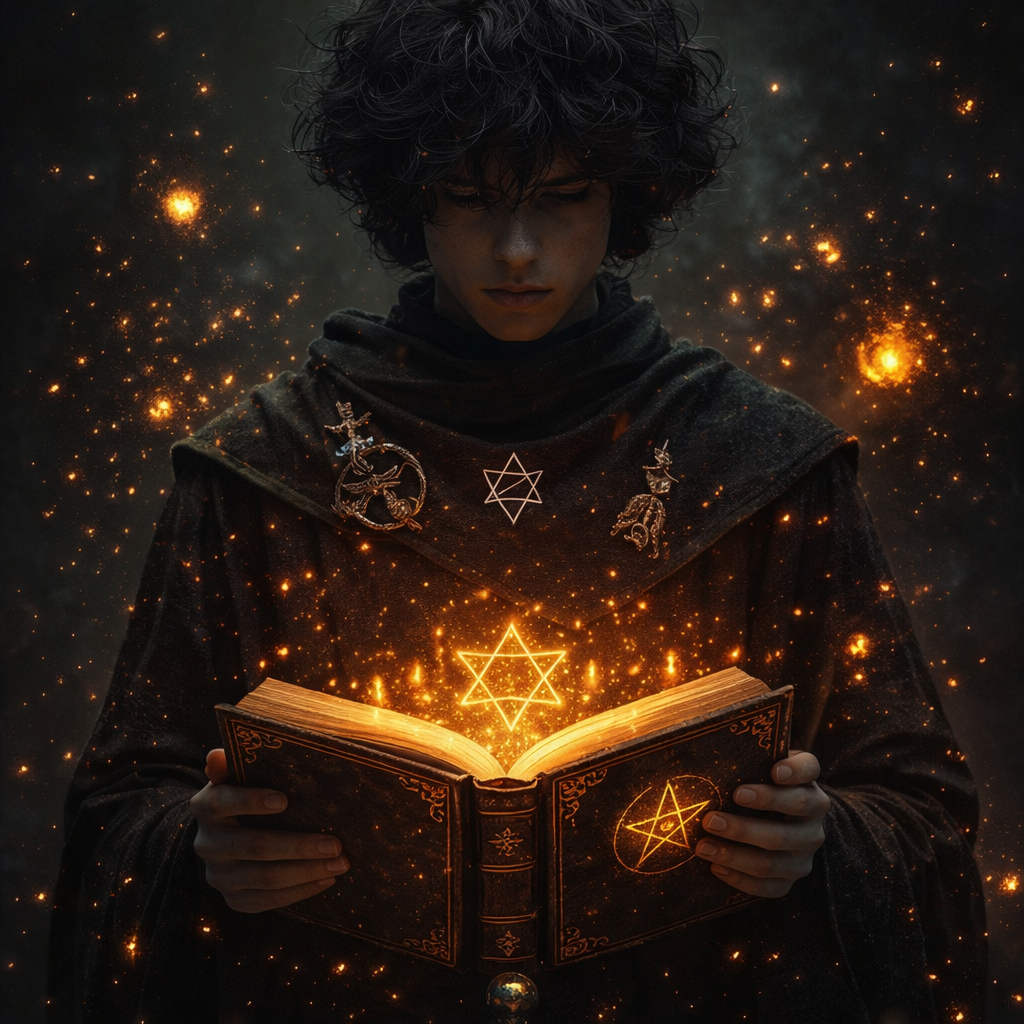

David Eddings’ Queen of Sorcery presents a familiar yet robust framework of epic fantasy. The plot, concerning Garion’s involvement with the Orb of Aldur and the looming threat of Torak, unfolds with a steady, deliberate pace. Eddings excels at creating relatable characters, particularly Garion, whose initial bewilderment and eventual acceptance of his destiny feel earned. The world-building, while not overly complex, provides a solid backdrop for the unfolding drama. A notable strength lies in the clarity of the narrative; Eddings guides the reader through intricate plot points without sacrificing momentum. However, the novel sometimes leans into predictable archetypes, offering few surprises for seasoned fantasy readers. The depiction of the conflict between Torak and the world’s protectors, while grand in scope, occasionally lacks nuanced exploration of the opposing forces’ motivations beyond simple malevolence. The early chapters, detailing farm life and Garion's mundane existence before the quest, could benefit from more dynamic engagement. Despite these limitations, Queen of Sorcery succeeds in its primary aim: delivering a compelling adventure that sets the stage for larger conflicts. It is a solid entry for those seeking classic quest narratives.
📝 Description
78
### What It Is
Queen of Sorcery, first published in June 1997, is a foundational work in David Eddings' sweeping fantasy epic. The narrative centers on Garion, a young farm boy whose ordinary life is irrevocably altered when he is drawn into a quest of immense consequence. This quest involves the recovery of a potent artifact, the Orb of Aldur, a relic imbued with cosmic power. The stakes are dire, as the malevolent deity Torak seeks to seize the Orb and plunge the world into eternal darkness. The story chronicles Garion's reluctant transformation from an unassuming youth into a pivotal figure in a conflict that will determine the fate of nations and the very balance of magic.
### Who It's For
This novel is suited for readers who appreciate classic epic fantasy narratives with a clear delineation between good and evil. Those who enjoy character-driven stories focusing on a protagonist's growth and the burden of destiny will find much to engage with. It appeals to fans of intricate world-building, where magic systems and ancient prophecies play significant roles in shaping the plot. Readers seeking a straightforward adventure, replete with quests, ancient evils, and the triumph of unlikely heroes, will find Queen of Sorcery a satisfying read. It's particularly for those who enjoy a sense of grand scale and historical depth within their fictional worlds.
### Historical Context
Published in 1997, Queen of Sorcery emerged during a period when epic fantasy was experiencing a resurgence, building on the foundations laid by authors like J.R.R. Tolkien and Ursula K. Le Guin. Eddings’ work, while adhering to many established genre conventions, offered a particular blend of accessible prose and complex plotting that appealed to a wide audience. The late 20th century saw a burgeoning interest in mythology and ancient lore within popular culture, a trend reflected in the novel's focus on powerful artifacts and divine conflicts. This era also marked a significant growth in the fantasy market, with authors like Robert Jordan and George R.R. Martin also making their mark, creating a diverse landscape for epic storytelling.
### Key Concepts
The narrative hinges on several core esoteric and philosophical concepts. The idea of a 'Chosen One' or a prophesied hero is central, a common trope in mythic narratives. The Orb of Aldur functions as a powerful magical MacGuffin, representing divine power and cosmic order, its possession crucial for maintaining balance. The conflict between Torak and the forces of good can be interpreted as a struggle between primordial chaos and established order, or light versus shadow, themes prevalent in many esoteric traditions. The concept of destiny versus free will is explored through Garion's journey, as he grapples with his predetermined role while making choices that shape his path and the world's future.
💡 Why Read This Book?
• Gain insight into the classic 'farm boy to hero' archetype by following Garion's initial reluctance and eventual acceptance of his fated role, a journey detailed throughout the novel's extensive quest. • Understand the narrative function of powerful magical artifacts by examining the Orb of Aldur, its significance in maintaining world order, and the catastrophic consequences of its potential misuse by Torak. • Experience a foundational epic fantasy narrative from 1997, appreciating Eddings' world-building and character development as he establishes the conflict between ancient powers and mortal agents.
why_read
⭐ Reader Reviews
Honest opinions from readers who have explored this book.
❓ Frequently Asked Questions
What is the significance of the Orb of Aldur in Queen of Sorcery?
The Orb of Aldur is a potent artifact of immense power, central to the narrative's conflict. It represents a force of order and preservation, and its recovery is essential to prevent the malevolent deity Torak from seizing control and plunging the world into darkness.
Who is the primary antagonist in David Eddings' Queen of Sorcery?
The primary antagonist is the dark deity Torak. He is depicted as an ancient, malevolent force seeking to dominate the world and subjugate all life, with the Orb of Aldur being the key to his ultimate conquest.
What is the main plot of Queen of Sorcery?
The main plot follows a young farm boy named Garion who becomes entangled in a quest to recover the powerful Orb of Aldur. His journey is driven by the need to prevent the evil God Torak from achieving world domination.
When was Queen of Sorcery by David Eddings first published?
Queen of Sorcery by David Eddings was first published on June 23, 1997. This date places it within the late wave of popular epic fantasy novels of the 1990s.
Is Queen of Sorcery part of a larger series?
Yes, Queen of Sorcery is part of David Eddings' larger fantasy series, The Belgariad. It is the second book in the series, following Pawn of Prophecy.
What kind of magic is featured in Queen of Sorcery?
The novel features a system of magic that includes divine intervention, inherent magical abilities, and the power derived from ancient artifacts like the Orb of Aldur. It is often tied to prophecy and destiny.
🔮 Key Themes & Symbolism
The Burden of Destiny
The narrative deeply explores the concept of predestination and the weight of a prophesied role. Garion, initially unaware of his significance, finds himself compelled by fate to undertake a perilous quest. The work examines how an individual grapples with a destiny not of their own choosing, questioning whether true agency exists when cosmic forces and ancient prophecies dictate one's path. This theme is crucial as Garion transitions from a simple farm boy to a central figure in the world's salvation, highlighting the internal struggle against an overwhelming external mandate.
The Nature of Evil
Queen of Sorcery posits a clear dichotomy between good and evil, personified by the struggle against the dark god Torak. Torak represents an ancient, absolute malevolence seeking to dominate and corrupt the world. The narrative explores the primal fear of annihilation and the seductive allure of ultimate power that such an entity embodies. The presence of Torak serves as a cosmic threat, forcing disparate peoples and powers to unite against a common, destructive force, underscoring the idea that true evil is an existential danger that must be confronted.
The Power of Artifacts
The Orb of Aldur is more than just a plot device; it symbolizes divine power, cosmic balance, and the potential for creation or destruction. Its recovery is paramount, representing the restoration of order against encroaching chaos. The artifact’s immense potency underscores the esoteric belief in sacred objects holding significant magical or spiritual energy. The quest to secure the Orb highlights the idea that control over such powerful relics is a constant struggle, and their misuse can have catastrophic consequences for the world, making their protection a sacred duty.
The Hero's Journey
Garion's trajectory exemplifies the archetypal Hero's Journey, a narrative pattern found in myths and legends worldwide. He begins in an ordinary world, receives a call to adventure, crosses a threshold into a world of magic and peril, and faces trials and tribulations. This journey is not merely physical but also psychological and spiritual, as Garion matures, gains allies, and confronts his own fears and capabilities. The narrative structure emphasizes transformation through adversity, the acquisition of wisdom, and the eventual fulfillment of a heroic destiny.
💬 Memorable Quotes
“The Orb of Aldur must not fall into the hands of Torak.”
— This statement encapsulates the central conflict of the novel. It highlights the immense power of the Orb and the existential threat posed by the antagonist, Torak, framing the entire narrative around this critical objective.
“A farm boy's life is simple, until destiny calls.”
— This reflects Garion's initial situation and the catalyst for his adventure. It speaks to the sudden disruption of ordinary life by extraordinary circumstances, a common theme in epic fantasy where humble beginnings lead to grand destinies.
“Evil seeks to consume all light.”
— This paraphrased concept captures the fundamental nature of the antagonist, Torak, as a force of pure malevolence. It suggests an encroaching darkness that threatens to extinguish all that is good and vital in the world.
“The Orb is the world's safeguard.”
— This interpretation emphasizes the artifact's crucial role in maintaining cosmic balance and protecting existence. It positions the Orb not just as an object of power, but as a necessary bulwark against chaos and destruction.
“Destiny is a heavy cloak to wear.”
— This sentiment reflects the internal struggle of the protagonist, Garion, as he grapples with the immense responsibility thrust upon him. It conveys the burden and pressure associated with fulfilling a preordained fate.
🌙 Esoteric Significance
Tradition
Queen of Sorcery fits within the broader tradition of Western esotericism that draws heavily on mythic structures and archetypal narratives. While not explicitly Gnostic or Hermetic, its themes of a cosmic struggle between good and evil, the power of sacred objects, and a prophesied hero align with Manichaean dualism and the concept of a divine plan. The narrative echoes the Gnostic idea of a fallen world needing salvation through a divine emissary or the recovery of lost divine knowledge/power, represented by the Orb of Aldur.
Symbolism
The Orb of Aldur serves as a primary symbol, representing divine power, cosmic order, and the ultimate source of creation or destruction. Its recovery signifies the restoration of balance in a world threatened by primordial chaos embodied by Torak. The figure of Torak himself symbolizes absolute evil, the void, or anti-creation, a force antithetical to life and light. Garion's journey symbolizes the individual's path toward self-discovery and the realization of one's fated role in the grand cosmic drama.
Modern Relevance
Contemporary fantasy authors continue to explore archetypal narratives and the hero's journey, themes central to Queen of Sorcery. Modern practitioners of comparative mythology and folklore studies often analyze works like Eddings' for their adherence to and variation upon ancient mythic patterns. The novel's exploration of destiny versus free will remains a relevant philosophical discussion point in modern speculative fiction and personal development circles seeking to understand one's life path.
👥 Who Should Read This Book
• Aspiring fantasy writers seeking to understand the mechanics of classic epic quest narratives and character archetypes, particularly the 'farm boy destined for greatness' trope. • Readers of David Eddings' The Belgariad who wish to revisit the foundational elements of the series, focusing on the early development of Garion and the significance of the Orb of Aldur. • Fans of traditional fantasy seeking straightforward tales of good versus evil, with clear heroes, a compelling quest, and a richly imagined world, as established in the 1997 publication.
📜 Historical Context
Published in June 1997, Queen of Sorcery arrived during a robust period for epic fantasy, a genre revitalized by authors like Robert Jordan and George R.R. Martin, who were also publishing significant works. David Eddings, having already achieved considerable success with his earlier series, contributed to this flourishing market with his accessible prose and well-structured narratives. The late 1990s saw a continued popular interest in mythological themes and grand quests, influenced by the enduring legacy of J.R.R. Tolkien. While not overtly experimental, Eddings' work offered a familiar comfort food for fantasy enthusiasts, focusing on clear heroic arcs and magical systems. Contemporary fantasy authors like Terry Brooks and Tad Williams were also active, creating a diverse landscape where Eddings' particular brand of adventure found a ready audience. Reception was generally positive, with readers appreciating the continuation of the saga, though some critics noted the adherence to established fantasy tropes.
📔 Journal Prompts
Garion's initial reluctance to embrace his destiny.
The symbolic weight of the Orb of Aldur.
The nature of Torak's ancient evil.
The concept of a prophesied hero.
The transition from ordinary life to a world of magic and peril.
🗂️ Glossary
Orb of Aldur
A powerful, ancient artifact central to the plot. It represents a significant source of magical power and is crucial for maintaining the world's balance against dark forces.
Torak
The primary antagonist, an ancient and malevolent deity. Torak seeks to dominate the world and wield the Orb of Aldur to achieve his destructive aims.
Garion
The protagonist of the story, a young farm boy who is drawn into a quest of immense importance, destined to play a pivotal role in the conflict.
Destiny
The predetermined course of events, often believed to be guided by fate or divine will. Garion's journey is heavily influenced by his perceived destiny.
Prophecy
A prediction of future events, typically delivered by a divine or supernatural source. Prophecies often guide the actions of characters and shape the narrative's direction.
Quest
A long and arduous search for something, often involving travel, danger, and the overcoming of obstacles. The recovery of the Orb of Aldur forms the central quest.
God
In the context of the novel, refers to powerful, often immortal beings who influence the mortal world, such as the antagonist Torak.