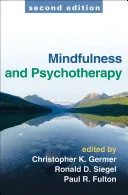
Mindfulness and Psychotherapy, Second Edition
 80
80

Mindfulness and Psychotherapy, Second Edition
The second edition of Mindfulness and Psychotherapy succeeds in its aim to consolidate the burgeoning field of mindfulness in clinical practice. Its strength lies in the comprehensive integration of theory and application, presenting the neuroscientific underpinnings alongside practical guidance for therapists. The detailed review of research studies provides a solid evidence base, which is crucial for credibility. However, the sheer volume of information might feel dense for readers seeking only a quick overview; a more streamlined executive summary for certain sections could improve accessibility. A particularly effective passage details the implementation of mindful self-compassion exercises for patients with trauma histories, clearly illustrating the clinical utility. Overall, this revised edition solidifies its position as a vital resource for mental health professionals.
📝 Description
80
### What It Is Mindfulness and Psychotherapy, Second Edition, by Christopher Germer, Ronald D. Siegel, and Paul R. Fulton, offers a thorough examination of mindfulness principles and their practical application within therapeutic settings. This text moves beyond introductory concepts to explore the philosophical foundations of mindfulness, supported by extensive reviews of clinical studies and neuroscientific research. It serves as a guide for mental health professionals seeking to integrate these practices into their work.
### Who It's For This volume is designed for clinicians, therapists, counselors, and students in psychology and related fields who wish to deepen their understanding and application of mindfulness-based interventions. It is particularly relevant for those working with patients experiencing depression, anxiety, chronic pain, or other psychological distress. The book provides actionable techniques for both personal practice and patient instruction.
### Historical Context The initial publication of this work in 2016 places it within a period of rapidly growing interest in contemplative practices in Western psychology. The second edition updates this context, reflecting ongoing research and evolving therapeutic models. It builds upon the foundation laid by earlier explorations of meditation and its psychological benefits, such as those pioneered by figures like Jon Kabat-Zinn in the 1970s and 80s.
### Key Concepts The book outlines core mindfulness concepts including non-judgmental awareness, present-moment focus, and acceptance. It details how these principles translate into therapeutic techniques, such as mindful breathing exercises, body scans, and loving-kindness meditations. The authors emphasize the importance of cultivating self-compassion as a crucial element in healing and psychological resilience, drawing from both ancient contemplative traditions and modern psychological theory.
💡 Why Read This Book?
• Learn specific techniques for integrating mindfulness into therapy, directly applicable to patient populations suffering from depression and anxiety, as detailed in the chapters on clinical applications. • Gain an understanding of the neuroscientific research supporting mindfulness interventions, providing a factual basis for practice, as presented in the section reviewing treatment studies. • Discover practical methods for teaching mindfulness to patients, enhancing therapeutic outcomes by focusing on concepts like present-moment awareness and non-judgmental observation.
⭐ Reader Reviews
Honest opinions from readers who have explored this book.
❓ Frequently Asked Questions
When was the first edition of Mindfulness and Psychotherapy published?
The first edition of Mindfulness and Psychotherapy was published on August 3, 2016, establishing its foundational contribution to the field.
What are the main benefits of mindfulness for patients with chronic pain?
For chronic pain patients, mindfulness offers techniques to alter the relationship with pain, shifting focus from suffering to acceptance and present-moment awareness, thereby reducing psychological distress.
Who are the primary authors of Mindfulness and Psychotherapy, Second Edition?
The primary authors are Christopher Germer, Ronald D. Siegel, and Paul R. Fulton. Their combined expertise offers a comprehensive perspective on the subject.
Does the book discuss the philosophical roots of mindfulness?
Yes, the book explores the philosophical underpinnings of mindfulness, examining its historical and conceptual origins before delving into its clinical applications.
What kind of research does the book cite to support its claims?
It reviews a growing body of treatment studies and neuroscientific research, providing empirical evidence for the efficacy of mindfulness techniques in psychotherapy.
Is this book suitable for beginners in psychotherapy?
Yes, the book is suitable for clinicians and students, offering a comprehensive introduction to mindfulness and its clinical uses, with clear procedures for implementation.
🔮 Key Themes & Symbolism
Therapeutic Application of Awareness
This work meticulously details how cultivating present-moment, non-judgmental awareness can be directly applied in therapeutic contexts. It moves beyond mere meditation instruction to explain the mechanics of how these states alleviate psychological suffering. The book emphasizes that mindfulness is not just about relaxation but about developing a new relationship with internal experiences, including difficult emotions and physical sensations, a concept central to many contemplative traditions.
Self-Compassion in Healing
A significant theme explored is the role of self-compassion as a vital component of psychological healing. The authors present self-compassion not as a passive acceptance of flaws, but as an active, kind, and understanding stance towards one's own suffering. This concept, rooted in Buddhist psychology, is framed as a powerful antidote to self-criticism and shame, offering a pathway to greater emotional resilience and well-being for patients.
Neuroscientific Correlates
The text systematically reviews the emerging neuroscientific research that investigates the effects of mindfulness practices on the brain. By referencing studies on neural plasticity and changes in brain activity patterns associated with meditation, the book provides an empirical foundation for its clinical recommendations. This integration of hard science with contemplative wisdom underscores the sophisticated approach taken by the authors.
Bridging Ancient Wisdom and Modern Practice
Mindfulness and Psychotherapy, Second Edition, functions as a bridge between ancient contemplative traditions and contemporary psychological science. It demonstrates how principles and practices refined over centuries in monastic settings can be translated into accessible and effective therapeutic tools. This synthesis highlights the enduring relevance of these ancient methods for addressing modern mental health challenges.
💬 Memorable Quotes
“Mindfulness is about knowing what is happening while it is happening.”
— This concisely captures the essence of mindful awareness: a state of active, present-moment attention without judgment. It's a call to engage directly with experience rather than being lost in thought or reaction.
“Self-compassion is not about liking yourself; it's about being kind to yourself.”
— This distinction clarifies self-compassion, differentiating it from self-esteem or narcissism. It emphasizes the active, gentle response to suffering as the core of the practice, making it accessible even when self-liking is difficult.
“The research shows changes in brain regions associated with emotional regulation.”
— This paraphrase points to the neuroscientific evidence supporting mindfulness. It suggests that the practice can tangibly alter the brain's capacity to manage emotions, providing a biological basis for therapeutic benefits.
“Clinicians must learn to teach mindfulness to patients effectively.”
— This highlights the practical, pedagogical aspect of the book. It underscores the responsibility of therapists to not only practice mindfulness themselves but also to be skilled in imparting these techniques to those they serve.
“Depression and anxiety can be addressed through present-moment awareness.”
— This statement links specific psychological conditions to the core practice of mindfulness. It suggests that by grounding oneself in the present, individuals can find relief from the rumination and worry characteristic of these disorders.
🌙 Esoteric Significance
Tradition
While not explicitly aligning with a single esoteric lineage, this work draws heavily from Buddhist contemplative practices, particularly Vipassanā and Metta meditation. Its emphasis on present-moment awareness, non-judgment, and compassion echoes core tenets found in many mystical and philosophical traditions that seek direct experience of reality beyond conceptual thought. It represents a secularized adaptation of ancient wisdom, making it accessible to a broad audience without requiring adherence to specific religious doctrines.
Symbolism
The core 'symbol' within this work is the breath, not as a mere biological function, but as an anchor to the present moment and a gateway to awareness. The practice of mindful breathing symbolizes the constant, cyclical nature of existence and the possibility of returning to a stable center amidst life's flux. Another motif is the 'observer' or 'witness' consciousness, a concept found across many esoteric paths, representing the detached awareness that can perceive thoughts and emotions without being consumed by them.
Modern Relevance
Contemporary thinkers and practitioners in fields ranging from clinical psychology (e.g., Acceptance and Commitment Therapy - ACT) to neuroscience and even secular spirituality frequently cite or implicitly draw upon the principles outlined in this book. Its influence is evident in the widespread adoption of mindfulness techniques in wellness programs, corporate settings, and therapeutic modalities seeking to address stress, anxiety, and emotional dysregulation. It has helped normalize the integration of contemplative practices into secular life.
👥 Who Should Read This Book
['• Mental health professionals (therapists, counselors, psychologists) seeking to integrate evidence-based mindfulness techniques into their practice to enhance patient outcomes.', '• Graduate students in psychology and related fields requiring a comprehensive introduction to the theory and application of mindfulness in psychotherapy.', "• Individuals interested in the intersection of contemplative traditions and modern psychology, looking for a scholarly yet practical exploration of mindfulness's therapeutic potential."]
📜 Historical Context
Published in its second edition in the mid-2010s, 'Mindfulness and Psychotherapy' arrived during a significant surge in Western interest in contemplative practices. The early 21st century saw a proliferation of mindfulness-based interventions, building on the work of pioneers like Jon Kabat-Zinn, who introduced mindfulness meditation to mainstream medicine in the late 1970s. This period was marked by a growing dialogue between Eastern contemplative traditions and Western psychology, often termed the 'contemplative turn'. While therapies like Cognitive Behavioral Therapy (CBT) dominated the landscape, mindfulness-based approaches offered a complementary or alternative perspective, focusing on acceptance and awareness rather than solely on cognitive restructuring. The book's reception reflected this broader trend, with many clinicians and researchers embracing its synthesis of empirical data and practical application. It engaged with the ongoing academic discourse, contributing to the validation of mindfulness as a legitimate therapeutic modality.
📔 Journal Prompts
Mindful awareness: Describe a recent experience where you noticed your thoughts drifting away from the present moment.
Self-compassion practice: Reflect on a time you responded to your own suffering with kindness rather than criticism.
Therapeutic application: Consider how the concept of non-judgmental observation could be applied to a challenging patient interaction.
Neuroscientific basis: What aspect of the brain research discussed in the book surprised you the most?
Integrating practice: How can the principle of 'knowing what is happening while it is happening' be applied to a difficult emotion you are currently experiencing?
🗂️ Glossary
Mindfulness
The practice of bringing one's attention to the present experience in a non-judgmental way. It involves noticing thoughts, feelings, bodily sensations, and the surrounding environment as they arise.
Self-Compassion
Treating oneself with kindness, understanding, and acceptance, particularly during times of suffering or perceived failure. It involves recognizing shared human experience and mindful awareness of distress.
Present-Moment Awareness
A state of consciousness focused on the 'now,' without dwelling on the past or worrying about the future. It is a core component of mindfulness meditation and practice.
Non-Judgmental Observation
The practice of observing thoughts, feelings, and sensations without labeling them as 'good' or 'bad,' 'right' or 'wrong.' It fosters acceptance and reduces reactivity.
Intervention
In a therapeutic context, an intervention is a specific technique or strategy used by a clinician to help a patient achieve a desired outcome or change.
Neuroscience
The scientific study of the nervous system, including the brain. In this context, it refers to research exploring how mindfulness practices affect brain structure and function.
Clinical Application
The practical use of theoretical knowledge or research findings within a therapeutic setting to address patient conditions and promote well-being.