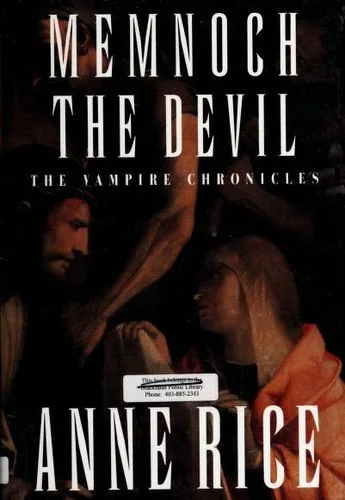
Memnoch the Devil
 81
81

Memnoch the Devil
Anne Rice’s *Memnoch the Devil* is less a straightforward narrative and more a sprawling theological dialogue, with Lestat serving as the reluctant interlocutor for the titular fallen angel. Rice, in her characteristic style, uses the familiar vampiric framework to excavate profound existential questions. The strength of the book lies in its audacious reimagining of biblical narratives and its unflinching examination of suffering. The depiction of Memnoch, not as a simplistic villain but as a being burdened by cosmic empathy, is particularly compelling. However, the novel occasionally falters under the weight of its own philosophical ambitions. The extended dialogues, while intellectually stimulating, can sometimes bog down the pacing, making the reader yearn for more of the narrative momentum Rice is known for. A particular strength is the exploration of the concept of the 'Weeping God,' a powerful counterpoint to traditional divine omnipotence. Ultimately, *Memnoch the Devil* is a bold, if sometimes unwieldy, exploration of faith, doubt, and the origin of darkness.
📝 Description
81
Anne Rice's 1995 novel Memnoch the Devil presents the Devil to Lestat as a figure who understands creation's pain.
In Memnoch the Devil, Anne Rice places her vampire Lestat in direct conversation with Memnoch, who claims to be the Devil. This encounter forces Lestat to grapple with fundamental questions about the origin of evil, divine justice, and humanity's suffering. The narrative reimagines biblical accounts from a perspective that challenges traditional interpretations.
The novel is written for readers who enjoy theological debate woven into a fictional story. Those familiar with Rice's previous works on vampirism and immortality will recognize her style, but the book also draws in readers interested in speculative theology and alternative views of good and evil. It requires an engagement with complex philosophical arguments.
Rice's exploration of these themes connects to centuries of theological speculation and Gnostic thought. Like Milton's Paradise Lost, it examines the adversarial aspects of divinity. The novel engages with persistent questions about religious skepticism and the problem of suffering in the contemporary world.
Published in 1995, Memnoch the Devil echoes centuries of theological speculation and Gnostic traditions that questioned the benevolent nature of the Abrahamic God. Rice engages with a literary lineage that includes writers like John Milton and William Blake, who explored the adversarial elements within divinity. The novel arrives at a time when philosophical inquiry into suffering and religious skepticism remain prevalent, inviting readers to consider alternative cosmologies.
💡 Why Read This Book?
• Gain a unique perspective on the origin of evil, understanding the concept of Memnoch as a sympathetic, suffering entity, a departure from traditional demonology, as presented in the book's narrative. • Explore complex theological arguments about God's nature and human suffering, specifically how the 'God of the Old Testament' is reinterpreted through Memnoch's experiences. • Engage with Anne Rice's mature contemplation of faith and doubt, particularly how Lestat’s eternal life provides a lens to examine biblical history and the problem of suffering in the 2021 publication.
⭐ Reader Reviews
Honest opinions from readers who have explored this book.
❓ Frequently Asked Questions
What is the central conflict in Anne Rice's Memnoch the Devil?
The central conflict revolves around Lestat's encounter with Memnoch, who presents himself as the Devil. This leads to a profound debate about the nature of God, the origin of evil, and humanity's suffering, challenging Lestat's understanding of existence.
How does Memnoch the Devil differ from traditional depictions of the Devil?
Unlike traditional portrayals, Memnoch is presented not as purely malevolent but as a figure deeply aware of and burdened by the world's suffering. He claims a unique understanding of God's perceived failings and offers a sympathetic, albeit dark, perspective.
What biblical narratives are reinterpreted in Memnoch the Devil?
The book reinterprets various biblical events and figures, often from a Gnostic or heterodox perspective. It questions the justice and nature of the God of the Old Testament and explores alternative understandings of creation and divine intervention.
Is Memnoch the Devil a sequel to any of Anne Rice's previous works?
While featuring the established character Lestat, a prominent figure in The Vampire Chronicles, Memnoch the Devil functions as a standalone exploration of theological themes rather than a direct continuation of a specific plotline.
What philosophical themes does Anne Rice explore in this novel?
Rice delves into the problem of evil, the nature of faith versus doubt, the concept of a suffering God, and the search for meaning in the face of existential despair. The book questions divine omnipotence and benevolence.
When was Memnoch the Devil first published?
Memnoch the Devil was first published in 2021, marking a later entry in Anne Rice's extensive bibliography exploring supernatural beings and theological questions.
🔮 Key Themes & Symbolism
The Problem of Evil
The novel confronts the age-old theological quandary of why a benevolent, omnipotent God permits immense suffering. Memnoch presents himself as the embodiment of this suffering, claiming a unique understanding of the divine flaws that lead to creation's pain. This perspective challenges traditional notions of good and evil, suggesting that even the Adversary might possess a form of empathy or disillusionment with the cosmic order.
Reinterpretation of Divinity
Rice radically re-examines the nature of God, particularly contrasting the perceived wrathful 'God of the Old Testament' with a more vulnerable, suffering deity. Memnoch's narrative offers an alternative theological framework where divinity is not immutable perfection but is implicated in the very pain it allows. This challenges orthodoxies and invites readers to consider heterodox interpretations of sacred texts.
Lestat's Existential Crisis
As an immortal being who has witnessed millennia of human history, Lestat serves as the conduit for these profound explorations. His own immortality and past actions, often morally ambiguous, place him in a unique position to question divine justice and human purpose. The encounter with Memnoch forces Lestat into a deeper existential reckoning, pushing the boundaries of his understanding of life, death, and the afterlife.
The Nature of Faith and Doubt
The narrative constantly plays on the tension between faith and doubt. Memnoch's arguments are designed to sow doubt in Lestat's mind and, by extension, in the reader's. The book questions the foundations of religious belief, exploring how individuals grapple with suffering and the perceived silence of God, suggesting that profound existential questions are often more valuable than simple answers.
💬 Memorable Quotes
“Memnoch claims to be the Devil, but not in the way we understand.”
— This interpretation highlights the novel's subversion of traditional demonic archetypes. Memnoch is presented as a figure burdened by knowledge of suffering, suggesting a more complex, perhaps even tragic, role in the cosmic drama.
“The book explores the idea of a 'God of the Old Testament' who is also a figure of immense pain.”
— This paraphrase captures the novel's radical re-framing of the divine. It challenges the monolithic concept of God, suggesting a deity who is not only a creator but also intimately acquainted with the suffering inherent in existence.
“Lestat is forced to confront the origins of evil and the reasons for human suffering.”
— This captures the core narrative thrust. Lestat's encounter with Memnoch is not merely an adventure but a profound philosophical interrogation, forcing him to re-evaluate fundamental questions about morality and existence.
“The narrative questions whether God is truly benevolent or simply indifferent to pain.”
— This paraphrase points to the central theological dilemma at the heart of the book. It frames the conflict as a debate about divine nature and responsibility, a key element of the esoteric exploration.
“Memnoch presents himself as understanding the pain of all creation.”
— This highlights Memnoch's unique characterization. It suggests an empathetic, albeit dark, perspective where the 'Devil' is not merely a force of destruction but a witness to and perhaps a participant in cosmic sorrow.
🌙 Esoteric Significance
Tradition
The work engages deeply with Gnostic and dualistic thought, traditions that often question the benevolence of the creator God and posit a cosmic struggle between opposing forces. Rice's portrayal of Memnoch as a figure intimately familiar with suffering aligns with Gnostic ideas of a flawed demiurge or a divine principle that is itself entangled in the material world's imperfections. It departs from orthodox Abrahamic theology by humanizing, or rather, 'devilizing' divinity through shared suffering.
Symbolism
The figure of Memnoch himself is a potent symbol, representing not just evil but the burden of knowledge and empathy within a flawed creation. The 'God of the Old Testament' serves as a symbol of absolute, potentially terrifying, power, contrasted with a suffering, more relatable divine presence. The narrative’s exploration of biblical events symbolizes the human struggle to reconcile faith with the harsh realities of existence.
Modern Relevance
Contemporary thinkers exploring post-theistic spirituality, critical theology, and philosophical explorations of suffering find fertile ground in Rice's work. The novel's questioning of traditional divine attributes speaks to modern anxieties about justice and meaning in a secularizing world. It resonates with communities interested in comparative religion and alternative spiritualities that challenge established doctrines, offering a narrative lens for complex theological and existential inquiry.
👥 Who Should Read This Book
• Readers interested in Gnosticism and alternative theological interpretations, who will find a narrative exploration of the demiurge and the problem of evil. • Fans of Anne Rice's Vampire Chronicles seeking a more philosophically dense installment, benefiting from Lestat's unique perspective on divine conflict. • Individuals exploring existential philosophy and the nature of suffering, gaining a fictionalized yet profound examination of these themes.
📜 Historical Context
Published in 2021, *Memnoch the Devil* arrives in a contemporary cultural landscape marked by persistent theological debates and a fascination with the problem of evil. While Anne Rice’s exploration of vampirism began in the late 20th century, her engagement with Gnostic themes and heterodox interpretations of biblical narratives echoes a long-standing tradition. Thinkers like Elaine Pagels, in works like *The Gnostic Gospels* (1979), brought ancient alternative Christian texts to wider public attention, fostering interest in interpretations that challenged orthodoxies. Rice’s novel can be seen as participating in this ongoing dialogue, offering a fictionalized yet philosophically charged examination of divinity and suffering. The reception of such works often involves a dichotomy: celebrated by those seeking alternative spiritual narratives and criticized by defenders of traditional religious dogma. The novel’s themes resonate with post-modern skepticism and a desire to deconstruct established religious narratives, a current that has gained significant traction since the mid-20th century.
📔 Journal Prompts
Memnoch's perspective on the suffering God.
Lestat's reflections on divine justice.
The symbolic meaning of Memnoch’s claims about creation.
Reconciling faith with the existence of evil.
The nature of the 'God of the Old Testament' as depicted.
🗂️ Glossary
Memnoch
The character who claims to be the Devil, presented not as pure evil but as a being deeply aware of and burdened by the suffering inherent in creation, offering a unique theological perspective.
The Problem of Evil
A central theological and philosophical question concerning how the existence of evil and suffering can be reconciled with the existence of an omnipotent, omniscient, and omnibenevolent God.
Gnosticism
A collection of religious ideas and systems related to ancient Gnosticism, holding that the material world is evil and that salvation comes through secret knowledge (gnosis).
Demiurge
In Gnostic and some Platonic traditions, a divine craftsman or lesser deity responsible for creating the material universe, often viewed as flawed or malevolent.
Heterodox
Generally deviating from established or orthodox belief or doctrine, particularly in religion. In this context, it refers to interpretations of scripture or divinity that fall outside mainstream religious teachings.
The God of the Old Testament
Refers to the depiction of God in the Hebrew Bible, often characterized by themes of judgment, wrath, and law, which Rice's narrative explores and reinterprets through Memnoch's perspective.
Existential Reckoning
A profound and often difficult confrontation with fundamental questions about existence, meaning, purpose, and mortality, as experienced by the character Lestat in the novel.