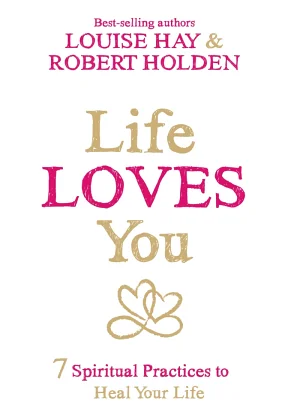
Life Loves You
 72
72

Life Loves You
The collaboration between Louise L. Hay and Robert Holden in "Life Loves You" offers a gentle, yet firm, hand in guiding readers toward a more benevolent internal dialogue. Holden's contributions, particularly his emphasis on the "divine parent" within, add a layer of psychological depth that complements Hay's classic affirmation techniques. The structure, built around daily practices, makes the material digestible, though at times it can feel repetitive if one isn't actively engaging with the exercises. A particularly resonant concept is the idea that life mirrors our internal state, a notion explored throughout the book, especially in the sections dealing with self-criticism. While the affirmations are generally positive, some might find the unwavering optimism a slight disconnect from the harsh realities life can present, lacking a robust framework for processing significant adversity. Nevertheless, for those seeking to cultivate a kinder self-relationship, the book provides a usable, encouraging framework.
📝 Description
72
### What It Is
"Life Loves You" is a collaborative work by Louise L. Hay and Robert Holden, first published in 2015. It functions as a guide, blending Hay's established principles of positive affirmation and self-love with Holden's more contemporary approach to joy and personal power. The book is structured around daily affirmations and reflections, aiming to foster a more optimistic outlook and a deeper connection with oneself and the world. It's not a narrative but a practical toolkit for cultivating a loving relationship with life itself.
### Who It's For
This book is best suited for individuals actively seeking to shift their mindset towards greater positivity and self-acceptance. Readers who resonate with Louise Hay's previous works, such as "You Can Heal Your Life," will find familiar territory here. It is also beneficial for those new to affirmation practices or who feel stuck in negative thought patterns and are looking for accessible, actionable steps to foster self-compassion and joy. Those interested in practical spirituality and personal development will find value in its direct approach.
### Historical Context
Published in 2015, "Life Loves You" emerged during a period of continued popular interest in mindfulness, positive psychology, and self-help movements. Louise L. Hay, who passed away in 2017, was a foundational figure in the New Thought movement, her work having gained significant traction since the 1980s. Robert Holden, known for his work on happiness and positive psychology, brought a modern sensibility to Hay's enduring philosophy. The book arrives after decades of the self-help genre becoming a mainstream industry, building upon the groundwork laid by authors like Hay, Shakti Gawain, and later, figures influenced by positive psychology research.
### Key Concepts
The core of "Life Loves You" revolves around the power of affirmations and the concept that life inherently supports those who embrace self-love. It emphasizes the belief that our thoughts and words have a direct impact on our reality. Key ideas include cultivating a loving relationship with oneself, recognizing that challenges are opportunities for growth, and understanding that the universe responds to our inner state. The book promotes the idea of "divine parenting" – the concept of nurturing ourselves with the unconditional love often sought from external sources. It also highlights the importance of gratitude and present-moment awareness.
💡 Why Read This Book?
• You will learn practical methods for reframing negative self-talk using affirmations, directly engaging with Louise L. Hay's signature technique. • You will gain insight into the concept of "divine parenting" as articulated by Robert Holden, understanding how to nurture yourself with unconditional love. • You will discover how to cultivate gratitude and present-moment awareness through daily practices, as detailed in the book's structure from 2015.
⭐ Reader Reviews
Honest opinions from readers who have explored this book.
❓ Frequently Asked Questions
What is the core philosophy behind Louise L. Hay's work as presented in 'Life Loves You'?
The core philosophy is that our thoughts and beliefs create our reality, and by cultivating self-love and using positive affirmations, we can heal ourselves and improve our lives. This approach, prominent since Hay's "You Can Heal Your Life" (1984), is central to the book.
How does Robert Holden's contribution differ from Louise L. Hay's in 'Life Loves You'?
Robert Holden, known for his work on happiness, brings a focus on the 'divine parent' within and practical techniques for fostering joy. He complements Hay's affirmations with a contemporary psychological perspective on self-nurturing and present-moment awareness.
What kind of daily practices does 'Life Loves You' suggest?
The book suggests daily affirmations, reflections, and gratitude exercises. It's structured to encourage consistent engagement with positive thinking and self-compassion, with each day offering a specific theme or affirmation to focus on.
Is 'Life Loves You' suitable for beginners in self-help?
Yes, the book is highly accessible for beginners. Its clear structure, simple affirmations, and practical exercises make it easy to start applying the principles of self-love and positive thinking immediately.
When was 'Life Loves You' first published?
"Life Loves You" was first published in 2015, bringing together the established wisdom of Louise L. Hay with the contemporary insights of Robert Holden.
What is the 'divine parent' concept mentioned in relation to this book?
The 'divine parent' concept, emphasized by Robert Holden, refers to the idea of nurturing oneself with the same unconditional love and acceptance that one might seek from an ideal parent figure, fostering inner security.
🔮 Key Themes & Symbolism
The Power of Affirmations
The book champions affirmations as a cornerstone of personal transformation. It posits that consistently repeating positive statements about oneself and life can reprogram subconscious beliefs, shifting focus from perceived lack to abundance. Louise L. Hay’s legacy is deeply rooted in this practice, and "Life Loves You" continues this tradition by offering daily affirmations designed to foster self-acceptance, health, and happiness. The underlying principle is that what we say to ourselves shapes our internal landscape and, consequently, our external experience.
Self-Love as Foundational
Central to the work is the understanding that self-love is not an indulgence but a necessity for a fulfilling life. The authors explore how a lack of self-acceptance can manifest as physical ailments or emotional distress. By encouraging readers to treat themselves with kindness and compassion, akin to a loving parent, the book aims to build a strong internal foundation. This theme suggests that genuine love for oneself is the prerequisite for experiencing love from others and from life itself.
Life's Benevolence
Contrary to common perceptions of life as challenging or adversarial, "Life Loves You" presents a perspective of inherent support and benevolence. It encourages readers to believe that life itself is a positive force, eager to provide and guide. This outlook requires a shift in perception, viewing difficulties not as punishments but as opportunities for growth and learning. The book suggests that by aligning our inner state with love and positivity, we invite this inherent goodness to manifest more fully in our lives.
The Present Moment and Gratitude
A recurring emphasis is placed on the importance of living in the present and cultivating gratitude. The authors argue that dwelling on the past or worrying about the future detracts from the power of the now. By focusing on what is good in the current moment and expressing thanks, readers can anchor themselves, reduce anxiety, and amplify positive experiences. This practice is presented as a simple yet potent tool for enhancing overall well-being and appreciating life's gifts.
💬 Memorable Quotes
“Life loves you. It is always supporting you.”
— This core affirmation encapsulates the book's optimistic worldview. It suggests an inherent, universal force that is on the side of the individual, encouraging a belief in life's fundamental goodness and supportive nature.
“You are the divine parent to yourself.”
— This concept, often associated with Robert Holden's work, encourages readers to adopt a nurturing, compassionate, and unconditionally loving stance towards themselves, filling any perceived void left by external parenting.
“Every day is a new beginning.”
— This phrase highlights the potential for renewal and change inherent in each moment. It serves as an affirmation to release past mistakes or regrets and to embrace the present with fresh hope and intention.
“When you change your thoughts, you change your world.”
— This statement articulates the principle of cognitive restructuring central to the book's philosophy. It posits a direct link between our internal mental landscape and the reality we experience externally.
“Love yourself and stay positive.”
— A simple yet powerful directive that forms the bedrock of the book's teachings. It combines the practice of self-compassion with a proactive, optimistic outlook as the key to well-being.
🌙 Esoteric Significance
Tradition
The work aligns strongly with the New Thought tradition, which emphasizes the power of thought and belief in shaping reality, and the inherent divinity within each individual. It shares roots with Christian Science and Unity, focusing on spiritual healing and positive affirmations. While not strictly Kabbalistic or Hermetic, it echoes the Hermetic principle of "As Above, So Below" by suggesting internal states manifest externally. It departs from more complex esoteric systems by prioritizing direct, accessible affirmations over intricate symbolic interpretation or ritual.
Symbolism
The most prominent symbolic element is the concept of the 'divine parent,' representing the internalized source of unconditional love and acceptance that is believed to reside within everyone. This archetype acts as a symbol for the higher self or spiritual core. Another implied symbol is 'life' itself, presented not merely as existence but as a conscious, benevolent force actively participating in and supporting the individual's journey.
Modern Relevance
The principles in "Life Loves You" continue to resonate within contemporary wellness culture, particularly in areas like positive psychology, mindfulness-based stress reduction (MBSR), and cognitive behavioral therapy (CBT) techniques that utilize affirmation and reframing. Thinkers and practitioners in self-love advocacy, motivational speaking, and even certain branches of coaching often draw upon similar concepts of thought-creation and self-empowerment. The book's accessible approach makes its core ideas relevant to anyone exploring personal growth.
👥 Who Should Read This Book
• Individuals seeking to cultivate greater self-compassion and overcome negative self-talk, especially those familiar with or interested in Louise L. Hay's previous teachings. • Those looking for practical, daily spiritual exercises to foster a more positive outlook on life and a sense of inner peace. • Readers interested in the intersection of positive psychology and spiritual principles, particularly Robert Holden's approach to happiness and self-nurturing.
📜 Historical Context
Published in 2015, "Life Loves You" emerged at a time when the self-help and personal development industries had solidified their mainstream presence. Louise L. Hay, a pioneer whose seminal work "You Can Heal Your Life" first appeared in 1984, had already established a significant following within the New Thought movement. Robert Holden, a British author and psychologist focusing on happiness, brought a contemporary, evidence-informed perspective. The book's release occurred within a cultural landscape increasingly influenced by positive psychology, mindfulness practices, and a general societal interest in mental well-being. It built upon the foundations laid by Hay and contemporaries like Marianne Williamson, who also blended spiritual principles with practical self-help advice. While Hay's work was sometimes critiqued for its perceived simplicity, its enduring popularity demonstrated a strong demand for accessible, empowering philosophies. Holden's input helped to ground Hay's spiritual affirmations in a more modern psychological framework, ensuring the book appealed to both long-time followers and a new generation seeking guidance.
📔 Journal Prompts
Reflect on the affirmation 'Life loves you' and how you can actively perceive this support.
Consider the 'divine parent' concept: how would this inner nurturing guide your decisions today?
Identify three things you are grateful for right now, as suggested by the book's emphasis on gratitude.
Explore a limiting belief you hold and formulate a positive affirmation to counteract it.
How can you apply the principle of changing your thoughts to change your world in a specific situation?
🗂️ Glossary
Affirmation
A positive statement, usually spoken or written repeatedly, designed to influence the subconscious mind and promote positive changes in attitude, belief, or behavior.
New Thought
A spiritual movement originating in the 19th century, emphasizing the power of thought, faith, and positive belief to create reality and achieve healing and prosperity.
Divine Parent
A concept suggesting that individuals possess an inner source of unconditional love, acceptance, and nurturing, capable of fulfilling emotional needs typically sought from external parental figures.
Self-Love
The practice of caring for one's own well-being and happiness, characterized by self-acceptance, self-respect, and self-compassion.
Positive Psychology
A branch of psychology focused on the study of human flourishing and the positive aspects of human experience, such as happiness, strengths, and resilience.
Cognitive Restructuring
A therapeutic technique aimed at identifying and changing negative or irrational thought patterns to improve emotional regulation and well-being.
New Thought Movement
A spiritual and philosophical movement that emerged in the United States in the 19th century, positing that reality is fundamentally mental and that individuals can shape their lives through their thoughts and beliefs.