Let the right one in
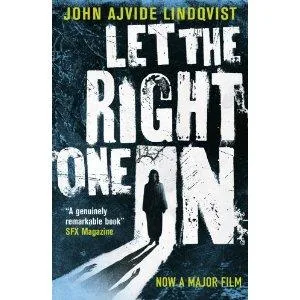
 82
82

Let the right one in
Lindqvist’s "Let the Right One In" is a novel that operates on a chilling frequency, less about jump scares and more about the slow creep of dread and profound loneliness. The depiction of Oskar’s social ostracism and Eli’s ancient, predatory existence is handled with a stark realism that makes their eventual bond all the more disturbing and, paradoxically, understandable. A particular strength lies in the author's unflinching portrayal of youthful cruelty, mirroring the supernatural threat with a very human barbarity. However, the narrative occasionally falters in pacing, with certain passages feeling more drawn out than necessary, potentially testing the patience of readers less invested in the character studies. The concept of Eli’s vampirism, while central, sometimes feels less like a supernatural curse and more like a metaphor for an inescapable, eternal isolation. Ultimately, Lindqvist crafts a memorable, albeit unsettling, examination of connection found in the most unlikely of circumstances, proving that companionship can bloom even in the shadow of monstrosity.
📝 Description
82
John Ajvide Lindqvist's 2022 novel "Let the Right One In" examines isolation through the friendship of a bullied boy and a vampire.
Originally published in 2022, "Let the Right One In" by John Ajvide Lindqvist is a novel that resists easy categorization. While it features supernatural elements and can be unsettling, its core narrative focuses on the complex relationship between Oskar, a lonely, bullied child, and Eli, a mysterious girl who moves into his apartment building. Eli harbors a secret: she is a vampire. Their bond develops in the harsh environment of their Swedish suburb, revealing the desperate measures individuals take to find connection. The story probes the nature of monstrosity, not just in Eli's condition, but in the human capacity for cruelty and the longing for belonging.
The novel is best suited for readers who appreciate character studies that confront difficult aspects of human nature. Those drawn to narratives that blend the supernatural with psychological depth, and who are not afraid of grim subject matter, will find the book rewarding. It appeals to readers who enjoy genre fiction that uses its tropes to examine themes of alienation, identity, and the moral ambiguity found in relationships. Readers expecting a conventional horror story may find its introspective and somber tone surprising.
Lindqvist's work engages with the vampire as a figure that reflects internal human struggles rather than solely an external threat. The novel draws on a tradition of exploring the monstrous as a metaphor for societal neglect and the psychological impact of modern life. Its portrayal of childhood vulnerability and the desperate search for companionship connects to broader literary concerns about the uncanny and the persistence of darker, older myths within contemporary settings. The Swedish context, with its stark depiction of social dynamics, further grounds these explorations.
💡 Why Read This Book?
• You will gain insight into the complex nature of companionship by examining the codependent relationship between Oskar and Eli, understanding how mutual need can foster connection even between the ostracized and the monstrous. • You will explore the societal implications of bullying and alienation through Oskar's experiences, learning how external cruelty can drive individuals to seek solace in unconventional, even dangerous, alliances. • You will contemplate the concept of eternal existence and its psychological toll, as seen through Eli's ancient perspective, offering a unique view on loneliness and the burden of unending life.
⭐ Reader Reviews
Honest opinions from readers who have explored this book.
❓ Frequently Asked Questions
What is the original publication year of 'Let the Right One In'?
The novel 'Let the Right One In' by John Ajvide Lindqvist was first published in 2022. This edition provides the author's complete vision of the story.
Is 'Let the Right One In' a vampire story?
While Eli is a vampire and the novel features vampiric elements, it is more accurately described as a dark fantasy or psychological horror that uses vampirism to explore themes of loneliness and connection.
What are the main themes explored in the book?
The book primarily explores themes of loneliness, bullying, friendship, desire, the loss of innocence, and the nature of monstrosity, examining how these elements intertwine in the lives of its young protagonists.
How does the book differ from its film adaptations?
The novel provides a more in-depth exploration of the characters' internal lives and the bleakness of their environment than the film adaptations, offering richer detail on Oskar's psychological state and Eli's ancient existence.
Does the book contain graphic content?
Yes, the novel contains significant depictions of violence, bullying, and the predatory nature of vampirism, which may be disturbing to some readers. It does not shy away from the darker aspects of its subject matter.
Who is the author, John Ajvide Lindqvist?
John Ajvide Lindqvist is a Swedish author and screenwriter known for his work in horror and fantasy. He gained international recognition for 'Let the Right One In' and its subsequent adaptations.
🔮 Key Themes & Symbolism
The Nature of Loneliness
Loneliness is a pervasive force in 'Let the Right One In,' shaping the lives of both Oskar and Eli. Oskar suffers from social isolation, ostracized by his peers and neglected by his family. Eli, by contrast, experiences an ancient, profound loneliness stemming from her vampiric condition and eternal existence. The novel suggests that this fundamental human (or inhuman) state can drive individuals to desperate measures in search of connection, blurring the lines between victim and perpetrator as they seek solace or survival.
Monstrosity and Humanity
The book interrogates what it means to be a 'monster.' Eli, a literal vampire, exhibits both predatory ruthlessness and a capacity for affection, challenging simplistic definitions. Conversely, the human characters, particularly the bullies, display a chilling capacity for cruelty that rivals Eli's monstrousness. Lindqvist uses this duality to question whether monstrosity is inherent or learned, and if the 'human' capacity for evil is more terrifying than any supernatural threat.
The Fragility of Innocence
Oskar's journey is one of profound loss of innocence. Initially a victim of bullying, he becomes entangled in Eli's dangerous world, forcing him to confront violence and moral ambiguity. Eli, too, carries the burden of a lost innocence, trapped in an unending cycle of survival that precludes normal development. The narrative suggests that innocence is a precarious state, easily shattered by external pressures and the inherent darkness within the world.
Unconventional Bonds
The central relationship between Oskar and Eli is an exploration of an unconventional bond formed in extreme circumstances. Their friendship is built on mutual need: Oskar craves protection and acceptance, while Eli requires sustenance and companionship. This symbiotic connection, though fraught with danger and moral compromise, highlights the primal human drive for belonging, suggesting that even the most isolated individuals can find a form of connection, however dark.
💬 Memorable Quotes
Direct passages from the work, attributed to the author.
“I am not a child. I am not a woman. I am not a man. I am not anything. I am Eli.”
— This statement from Eli expresses her ambiguous, eternal nature. It reflects her existence outside conventional human categories, emphasizing her ancient, unchanging state and the profound isolation that comes with it.
“He was a boy who was clumsy, awkward, and lonely. A boy who had no friends. He was me.”
— This self-identification by Oskar reveals his deep-seated insecurity and loneliness. It highlights his perception of himself as an outsider, a feeling that ultimately draws him towards Eli, another figure on the fringes.
“I can only be what I am.”
— Spoken by Eli, this phrase underscores the inescapable nature of her vampiric existence. It speaks to a predetermined fate and the inability to alter her fundamental being, contributing to her profound sense of isolation.
“He wanted to be strong. He wanted to be loved.”
— This simple observation about Oskar's desires gets to the heart of his motivations. It explains his vulnerability and why he is drawn to Eli, who offers a form of protection and acceptance he desperately craves.
💡 Key Ideas
Editorial paraphrase of the work's core concepts — not direct quotes.
The world is full of people who are not good. But they are not monsters.
This line prompts reflection on the definition of monstrosity. It suggests that while many humans are capable of cruelty and malice, the label 'monster' might be reserved for something beyond ordinary human failing, perhaps Eli's condition.
🌙 Esoteric Significance
Tradition
While not explicitly aligned with a specific esoteric lineage, 'Let the Right One In' draws upon archetypal themes found in Gnostic and Hermetic traditions concerning the alien nature of the self and the struggle against a fallen or corrupt world. Eli can be seen as an Gnostic 'aeon' or an outsider figure who possesses ancient knowledge but is trapped in a lower, material realm. The novel explores the concept of hidden natures and the search for true knowledge (gnosis) in a world that often misunderstands or persecutes those who are different.
Symbolism
The recurring motif of blood symbolizes not only Eli's vampiric sustenance but also life force, primal instincts, and the inescapable nature of her condition. Darkness and night represent the hidden aspects of existence, the subconscious, and the liminal spaces where Eli and Oskar find solace away from the judgmental light of day. The concept of the 'door' itself can symbolize boundaries between worlds, the threshold between humanity and monstrosity, and the barriers Oskar and Eli must overcome to connect.
Modern Relevance
Contemporary thinkers exploring the 'new weird' or 'slipstream' genres, which blend speculative elements with literary fiction, often cite Lindqvist's work as an exemplar. His nuanced portrayal of the monstrous and his focus on the psychological impact of extreme isolation and desire continue to influence writers and filmmakers grappling with themes of otherness, trauma, and unconventional relationships in the modern era.
👥 Who Should Read This Book
• Readers interested in the psychology of isolation and bullying, seeking a narrative that uses supernatural elements to explore raw human emotions and societal failures. • Fans of dark fantasy and literary horror who appreciate character-driven stories that look at moral ambiguity and the complexities of unconventional relationships. • Students of modern Scandinavian literature or those interested in how contemporary authors engage with timeless themes of otherness and belonging through genre fiction.
📜 Historical Context
Published in 2022, John Ajvide Lindqvist’s "Let the Right One In" arrived in a literary landscape where the supernatural had long been used as a lens for social commentary. While not a direct engagement with the late 20th-century Gothic revival that saw authors like Anne Rice reinterpreting vampire lore, Lindqvist’s work shares a contemporary interest in the psychological interiority of monstrous beings. The novel emerged in a period where genre fiction was increasingly recognized for its literary merit, a trend exemplified by works like Stephen King's expansive narratives or the more literary explorations of the uncanny. Lindqvist’s original Swedish context, with its tradition of stark social realism, informs the novel’s unflinching portrayal of adolescent cruelty and societal neglect, setting it apart from more romanticized or escapist supernatural tales. The book's reception, particularly after its successful film adaptation, cemented its place as a significant work of modern dark fantasy, engaging with themes of alienation that resonate strongly in early 21st-century discourse.
📔 Journal Prompts
Oskar's yearning for strength and Eli's ancient existence.
The symbolic weight of the blood shared between Eli and Oskar.
Reflect on the concept of 'monstrosity' as presented through both human and inhuman characters.
Eli's declaration, 'I am not anything. I am Eli.'
The significance of the threshold or 'door' in the narrative's unfolding relationships.
🗂️ Glossary
Vampirism
In the context of the novel, vampirism refers to Eli's condition of needing blood to survive, her arrested physical development, and her unnatural longevity, which isolates her from normal human experience.
Ostracism
The state of being excluded or shunned by a social group. Oskar experiences profound ostracism at school, which shapes his character and his desperate search for acceptance.
Symbiosis
A close and long-term interaction between two different biological species. In the book, the relationship between Oskar and Eli can be seen as a dark symbiosis, where each fulfills a vital need for the other.
Liminal Space
A transitional or in-between state or place. The novel often uses the night and secluded locations as liminal spaces where Oskar and Eli can interact away from societal judgment.
Arrested Development
A condition where physical or psychological growth stops prematurely. Eli's vampiric nature causes her to remain physically in a child-like state, representing a form of arrested development.
Gnosticism
An ancient religious and philosophical movement characterized by a belief in secret knowledge (gnosis) that leads to salvation. Eli's alien nature and hidden existence echo Gnostic themes of a divine spark trapped in a material world.
Archetype
A very typical example of a certain person or thing; a recurring symbol or motif in literature and art. Eli and Oskar can be seen as archetypes of the outsider and the innocent, respectively.
🔮 Readers Also Liked
Browse all →








More by John Ajvide Lindqvist, John Ajvide Lindqvist
All books →
More Free Occult Philosophy Books
View all →