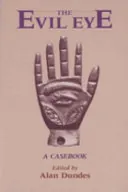
Jonathan Strange and Mr. Norrell

 80
80

Jonathan Strange and Mr. Norrell
Susanna Clarke's debut novel, Jonathan Strange & Mr Norrell, offers a singular vision of magic reawakening in Regency England. The novel’s greatest strength lies in its immersive atmosphere and its author’s masterful command of historical pastiche, making the early 19th century feel both familiar and subtly altered by the presence of magic. The painstaking detail, especially in the extensive footnotes, creates a convincing illusion of a forgotten history. However, the deliberate pacing, while essential to the book’s charm, can sometimes test the reader’s patience, particularly in the middle sections where the plot meanders. The depiction of Mr. Norrell’s obsessive scholarship versus Strange’s wilder, more intuitive approach to magic is particularly compelling, especially when their paths converge near the climax, leading to an unforgettable confrontation involving the Gentleman with the Thistle-Down Hair. Ultimately, it is a work of immense imagination and scholarly depth, a peculiar and rewarding exploration of what magic might have been.
📝 Description
80
Susanna Clarke's 2004 novel reimagines England where magic returned during the Napoleonic Wars.
Jonathan Strange & Mr Norrell presents an alternate early 19th-century England where magic, long dormant, reawakens. The narrative unfolds with a style reminiscent of Austen or Scott, employing epistolary elements and detailed footnotes. It centers on two contrasting magicians: the scholarly, reclusive Mr. Norrell, who hoards his magical knowledge, and the more daring, practical Jonathan Strange, who seeks to restore magic to its full potential.
The novel situates this magical revival against the backdrop of the Napoleonic Wars, weaving fantastical events into the fabric of historical upheaval. Clarke meticulously builds a world where English magic has a specific, traceable history, now being rediscovered. The story contrasts Norrell's cautious, bookish approach with Strange's hands-on, even reckless, engagement with the magical arts, highlighting the inherent dangers and responsibilities that accompany such power.
This novel taps into the tradition of historical fantasy that grounds supernatural elements in specific, researched historical periods and folkloric traditions. It echoes the Victorian fascination with occultism and rediscovered ancient lore, particularly the interest in magic prevalent during the Romantic era. By detailing specific rituals and magical entities, Clarke aligns her work with a more scholarly approach to the supernatural, building a consistent magical system that feels historically plausible within its fictional context, rather than relying on vague mystical pronouncements.
💡 Why Read This Book?
• Understand the nuanced portrayal of English magic's revival, distinct from other fantasy traditions, by examining the contrast between Mr. Norrell's dusty scholarship and Jonathan Strange's intuitive practice. • Experience the unique atmosphere of Napoleonic England infused with folklore and faerie lore, particularly through the unsettling appearances of the Gentleman with the Thistle-Down Hair. • Grasp the intricate world-building that draws upon actual historical context and literary styles, offering a unique blend of speculative history and mythic narrative.
⭐ Reader Reviews
Honest opinions from readers who have explored this book.
❓ Frequently Asked Questions
What is the historical period of Jonathan Strange & Mr Norrell?
The novel is primarily set during the early 19th century, specifically the period of the Napoleonic Wars, providing a backdrop of real historical events and societal conditions.
Who are the main magical practitioners in the book?
The two central figures are Mr. Norrell, a reclusive scholar who hoards magical knowledge, and Jonathan Strange, his more flamboyant and intuitive student.
What is the role of faerie in the story?
Faerie represents an ancient, powerful, and often dangerous force that has had dealings with England throughout its history, playing a crucial role in the narrative's darker magical elements.
What is the narrative style of Jonathan Strange & Mr Norrell?
Clarke employs a style reminiscent of 19th-century literature, complete with extensive footnotes that often contain their own narratives and historical details.
Does the book incorporate real historical figures or events?
Yes, the novel is firmly grounded in the historical context of the Napoleonic Wars, referencing actual battles and figures of the era to enhance its alternate history premise.
What makes the magic system unique?
The magic is presented as a lost English art, distinct from continental traditions, rediscovered through scholarly research and intuitive practice, with significant connections to folklore and ancient pacts.
🔮 Key Themes & Symbolism
The Return of English Magic
The novel chronicles the re-emergence of practical English magic after centuries of decline. It contrasts Mr. Norrell's meticulous, bookish approach to magic with Jonathan Strange's more intuitive and dangerous methods. This theme explores the tension between preserving ancient knowledge and adapting it for a new era, questioning whether magic can truly be controlled or merely unleashed.
Faerie and Ancient Pacts
Faerie is not depicted as whimsical sprites but as an ancient, powerful, and often malevolent force with a long history of interaction with humanity. The concept of pacts made in the distant past, particularly those involving the Gentleman with the Thistle-Down Hair, drives much of the plot's conflict and introduces an element of cosmic horror.
History and Narrative
Clarke masterfully uses historical pastiche and extensive footnotes to create a sense of authentic alternate history. The novel examines how history is written and remembered, embedding its magical elements within the recognizable framework of the Napoleonic Wars. The footnotes themselves become a secondary narrative, exploring tangential magical lore and scholarly debates.
The Nature of Power
Both Norrell and Strange grapple with the responsibilities and corrupting influences of magical power. Norrell seeks to control and hoard it, while Strange is drawn into its more potent and perilous manifestations. The book questions the ethical boundaries of magic use and its impact on the user and the world around them.
💬 Memorable Quotes
Direct passages from the work, attributed to the author.
“Magic is a wild, dangerous thing. It is not to be played with.”
— This sentiment, often implied or directly stated, underscores the perilous nature of the magical forces at play. It serves as a warning about the unpredictable consequences of tampering with ancient powers and the responsibility that comes with wielding them.
“The Gentleman with the Thistle-Down Hair.”
— This phrase refers to a specific, powerful entity from Faerie who has a complex and often sinister history with England. His presence represents the ancient, untamed forces that magic can invoke.
“I am Jonathan Strange, and I am a magician.”
— This declaration signifies Strange's embrace of his identity and abilities, marking a turning point in his journey. It represents the public re-acknowledgement of English magic through his actions.
“The rain in England is the most miserable thing in the world.”
— While seemingly a mundane observation, the pervasive English weather often mirrors the mood and atmosphere of the narrative, contributing to the novel's distinct, often melancholic, ambiance.
💡 Key Ideas
Editorial paraphrase of the work's core concepts — not direct quotes.
There has not been an English magician for a hundred years. It is true that there are books of magic, and there are collections of spells, but no one is able to make use of them.
This quote expresses the central premise of the novel: the dormant state of English magic and the anticipation of its revival. It highlights the gap between theoretical knowledge and practical application, setting the stage for the protagonists' endeavors.
🌙 Esoteric Significance
Tradition
While not strictly adhering to a single esoteric lineage, the work draws heavily from British folklore, Celtic mythology, and older European magical traditions. It carries the Hermetic principle of "as above, so below" by grounding grand magical concepts in specific English locales and historical moments. The emphasis on practical, almost craft-based magic, alongside darker, fae-influenced elements, suggests a departure from more codified systems like ceremonial magic, leaning towards a wilder, older form of earth-based or nature-aligned power.
Symbolism
The Gentleman with the Thistle-Down Hair is a potent symbol of ancient, primal Faerie, representing forces outside human control and morality. Thistle-Down itself suggests dispersal, wildness, and an ethereal, almost airborne nature. The Raven, often associated with Mr. Norrell, symbolizes hidden knowledge, prophecy, and a connection to the underworld or liminal spaces, reflecting his reclusive scholarly pursuits. The contrasting styles of magic—Norrell's structured, theoretical approach versus Strange's intuitive, often dangerous practice—symbolize the dichotomy between codified knowledge and raw, untamed power.
Modern Relevance
Contemporary practitioners of folklore-based magic and those interested in the darker aspects of fae lore often cite Clarke's work. Her nuanced portrayal of magic's integration into a historical setting inspires modern fantasy writers and creators of alternate histories. The novel's exploration of the ethics of power and knowledge appeals to current discussions in occult studies regarding the responsible application of esoteric principles and the potential dangers of unchecked ambition.
👥 Who Should Read This Book
• Readers fascinated by folklore and the occult history of Britain, seeking a narrative that blends historical detail with magical realism. • Aspiring writers and scholars of speculative fiction interested in intricate world-building and unique narrative structures, particularly those who appreciate literary pastiche. • Individuals drawn to complex characters grappling with power and responsibility, who enjoy slow-burn narratives that reward patient engagement with dense prose and thematic depth.
📜 Historical Context
Jonathan Strange & Mr Norrell emerged in 2004, a period when historical fantasy was gaining traction, though few works matched its scholarly depth. Set during the Napoleonic Wars (1803-1815), the novel meticulously integrates its magical elements into the fabric of Regency England. This era was marked by significant nationalistic sentiment and a fascination with folklore, partly fueled by the Romantic movement's interest in the medieval and the supernatural. Clarke’s work engages with this by positing a history where practical magic, rather than fading entirely, merely fell into obscurity. The novel’s reception was notably strong, with critics praising its originality and literary ambition, although some noted its deliberate, slow pacing. It stands apart from contemporary fantasy by eschewing dragons and elves for a grounded, historically plausible (within its own altered reality) depiction of magic, drawing comparisons to authors like Jane Austen and Charles Dickens for its prose style and social observation, albeit with a supernatural overlay.
📔 Journal Prompts
The Gentleman with the Thistle-Down Hair's origins and motivations.
Mr. Norrell's obsession with controlling English magic.
The nature of the pacts between humans and Faerie.
Jonathan Strange's transformation through magic.
The significance of footnotes in constructing the narrative.
🗂️ Glossary
The Gentleman with the Thistle-Down Hair
A powerful, ancient entity from Faerie who interacts with English magicians, representing dangerous, otherworldly power and a connection to forgotten historical pacts.
Faerie
In this context, refers to a realm and its inhabitants that are ancient, powerful, and often amoral, distinct from benevolent fairy tales; a source of potent, unpredictable magic.
Practical Magic
Magic that can be actively performed and yields tangible results, as opposed to theoretical or historical knowledge of magic that cannot be utilized.
English Magic
A specific, historically rooted form of magic particular to England, believed by the characters to have unique properties and a distinct lineage separate from continental magical traditions.
The Lost Prophecy
A significant magical prediction or ancient text central to the unfolding events, hinting at the return of English magic and the roles of its practitioners.
The Study
Mr. Norrell's secluded, book-filled home, representing his dedication to hoarding and studying magical knowledge in isolation.
The Raven King
A legendary, almost mythical figure from England's deep past, credited with establishing or influencing the foundations of English magic.
🔮 Readers Also Liked
Browse all →








More by Susanna Clarke
All books →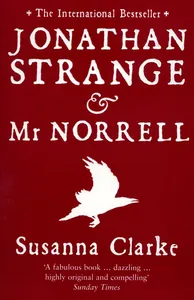
More Free Occult Philosophy Books
View all →