Garden spells
 83
83

Garden spells
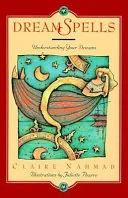
Claire Nahmad’s Garden Spells presents a direct, unadorned approach to nature magic. Unlike more philosophical treatises, it dives straight into practical application, offering clear instructions for working with common garden flora. The section on creating a "witch’s garden" for specific intentions, detailing plant choices and their symbolic meanings, is particularly well-realized. However, the book sometimes lacks deeper theoretical exploration, which might leave readers seeking the underlying energetic principles wanting more. A notable strength is the consistent emphasis on accessible, everyday magic. It serves as a solid, if somewhat basic, primer on botanical enchantment.
📝 Description
83
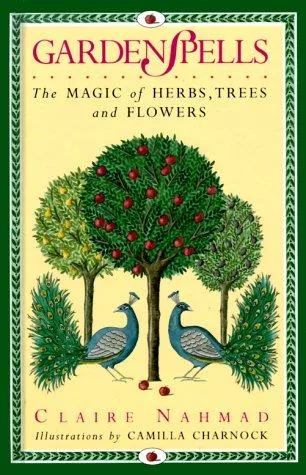
### What It Is Garden Spells, penned by Claire Nahmad and first published in 1994, offers a practical compendium of nature-based magical practices. It moves beyond theoretical occultism to provide actionable techniques for harnessing the energies of the natural world. The book serves as a guide for individuals seeking to integrate Earth-based spirituality into their daily lives.
### Who It's For This text is suited for novice practitioners of folk magic and experienced pagans alike. Those interested in botanical magic, green witchcraft, and the intersection of gardening and ritual will find substantial material. It is particularly beneficial for readers who prefer hands-on, tangible magical work tied to the cycles of the seasons and the bounty of the earth.
### Historical Context Published in the mid-1990s, Garden Spells emerged during a period of resurgence for neo-paganism and earth-centered spiritualities in the West. This era saw increased interest in pre-Christian traditions and ecological consciousness, influencing a wave of literature that sought to reconnect people with nature. Nahmad’s work aligns with this trend, providing a accessible entry point into a long-standing tradition of nature veneration.
### Key Concepts The book centers on the principle that plants, herbs, and natural elements possess inherent magical properties. It explores the concept of sympathetic magic, where the qualities of a plant are used to influence corresponding human or worldly matters. Concepts like planetary correspondences for herbs, lunar gardening, and the creation of sacred spaces within a garden are fundamental to its teachings.
💡 Why Read This Book?
• Learn specific techniques for using common garden plants in magical workings, such as the protective qualities of rosemary as detailed in the book's herb section, which you won't find in general gardening guides. • Discover how to align magical practices with celestial bodies, referencing the book's guidance on lunar gardening, offering a distinct esoteric dimension beyond standard horticultural advice. • Gain practical methods for creating intentional spaces, exemplified by the concept of a "witch's garden" described within, providing a tangible way to integrate magic into your environment.
⭐ Reader Reviews
Honest opinions from readers who have explored this book.
❓ Frequently Asked Questions
What kind of spells are included in Garden Spells by Claire Nahmad?
Garden Spells focuses on nature-based magic, offering practical rituals and spellcraft using herbs, flowers, and other elements from the garden. These include spells for protection, healing, and prosperity, all tied to natural cycles.
Is Garden Spells suitable for beginners in witchcraft?
Yes, the book is highly suitable for beginners due to its clear instructions and focus on accessible, common garden ingredients. It provides a solid foundation for understanding plant-based magic.
When was Garden Spells first published?
Garden Spells by Claire Nahmad was first published in 1994, reflecting the growing interest in earth-centered spirituality during that period.
What are the key themes explored in Garden Spells?
Key themes include the magical properties of plants, sympathetic magic, creating sacred spaces in gardens, and aligning magical work with natural and lunar cycles.
Does the book discuss specific herbs and their magical uses?
Yes, the book details the magical properties and correspondences of numerous herbs and plants, offering guidance on how to utilize them effectively in spellwork.
Can I use Garden Spells if I don't have a large garden?
While a garden is ideal, many practices can be adapted for smaller spaces, balconies, or even indoor herb cultivation. The core principles of working with plant energies remain applicable.
🔮 Key Themes & Symbolism
Botanical Magic
The core of Garden Spells lies in its exploration of botanical magic, treating plants not merely as flora but as conduits of natural energy and intent. The book details how specific herbs and flowers, from rosemary for protection to lavender for peace, can be incorporated into rituals. It emphasizes understanding the inherent properties of each plant and how these align with desired magical outcomes, fostering a deep connection between the practitioner and the green world.
Sympathetic Resonance
Central to the book's methodology is the principle of sympathetic resonance. This concept posits that like attracts like, meaning the qualities inherent in a plant can be used to influence similar qualities in one's life or circumstances. Nahmad guides readers on how to select plants whose natural attributes—such as a vine's tenacity or a flower's vibrancy—mirror the intention of a spell, creating a tangible link between the natural world and human desire.
Sacred Garden Spaces
Garden Spells advocates for the creation of dedicated sacred spaces within one's garden. This involves not just aesthetic arrangement but the intentional planting and placement of herbs and flowers to cultivate specific energies for ritual, meditation, or protection. The book provides practical advice on designing these areas, transforming a mundane garden into a personal sanctuary for magical practice and communion with nature.
Lunar and Seasonal Cycles
The work underscores the importance of aligning magical practices with the rhythms of nature. It details how to perform spells and cultivate plants according to lunar phases and seasonal shifts, recognizing that these cycles amplify the efficacy of the magic. This connection to the earth's natural timings encourages a more grounded and potent approach to witchcraft.
💬 Memorable Quotes
“Plants hold potent energies that can be directed for specific purposes.”
— This statement encapsulates the book's fundamental premise: that the natural world is imbued with accessible magical force, particularly within the plant kingdom, waiting to be consciously utilized by practitioners.
“The garden is a place where the mundane and the magical meet.”
— This highlights the book's philosophy of integrating spiritual practice into everyday life, suggesting that even a simple garden plot can become a site for profound connection and energetic work.
“Use the natural properties of herbs to achieve your desired outcomes.”
— This emphasizes the practical, sympathetic nature of the spells described, advocating for a direct correlation between a plant's inherent characteristics and the magical intention being set.
“Align your work with the moon's phases for amplified results.”
— This points to the importance of timing in magical practice, specifically referencing the influence of lunar cycles, a common tenet in many folk magic traditions.
“Create a personal sanctuary through intentional planting.”
— This encourages readers to view their gardens not just as sources of food or beauty, but as intentionally crafted spaces designed to foster spiritual growth and energetic well-being.
🌙 Esoteric Significance
Tradition
Garden Spells draws heavily from the Western folk magic and witchcraft traditions, particularly those emphasizing an animistic worldview where natural elements possess spirit and agency. It aligns with green witchcraft and broader pagan philosophies that venerate the Earth. While not strictly adhering to a singular lineage like Hermeticism or Kabbalah, it embodies a pragmatic, immanent spirituality that sees the divine expressed through the natural world, a common thread in many earth-centered esoteric paths.
Symbolism
Key symbols in the book include specific plants and their traditional correspondences: rosemary often symbolizes protection and remembrance, while lavender is associated with peace and purification. The garden itself functions as a potent symbol of creation, growth, and the cycle of life, death, and rebirth. Lunar phases also serve as symbolic markers, representing feminine energy, intuition, and the ebb and flow of magical power.
Modern Relevance
The principles outlined in Garden Spells remain highly relevant for contemporary practitioners of green witchcraft, herbalism, and ecological spirituality. Modern pagan and witchcraft communities continue to draw upon its accessible approach to plant magic. Thinkers and practitioners focused on re-wilding, nature-based healing, and sustainable living often find its emphasis on working with local flora and natural cycles to be a foundational guide.
👥 Who Should Read This Book
['• Aspiring practitioners of green witchcraft seeking clear, actionable spellwork using readily available plants.', '• Experienced pagans interested in deepening their connection to the earth through practical gardening and ritual.', '• Individuals exploring nature-based spirituality who want to understand the magical properties of common herbs and flowers.']
📜 Historical Context
Claire Nahmad’s Garden Spells, published in 1994, arrived during a fertile period for Western esotericism. The neo-pagan revival was gaining significant momentum, with authors like Scott Cunningham popularizing accessible forms of Wicca and earth-based spirituality. Nahmad’s work fits within this milieu, offering a practical, non-dogmatic approach to folk magic that eschewed complex theological frameworks for tangible, nature-focused rituals. While distinct from the ceremonial magic traditions gaining traction in some circles, it resonated with a broader audience seeking direct connection to the natural world. The book emerged alongside a growing environmental consciousness, finding a receptive readership among those interested in integrating ecological awareness with spiritual practice. Its publication predates the widespread digital dissemination of such information, making it a valuable resource for those seeking structured guidance on botanical magic.
📔 Journal Prompts
Reflect on the concept of sympathetic resonance as applied to a favorite plant.
Detail the specific energies you wish to cultivate in your own sacred garden space.
Consider how lunar phases might influence a personal magical intention.
Identify three common garden plants and their potential magical applications.
Explore the relationship between the mundane act of gardening and esoteric practice.
🗂️ Glossary
Botanical Magic
A form of magic that utilizes plants, herbs, flowers, and trees as primary tools and ingredients for spellcraft and ritual work, focusing on their inherent energetic properties.
Sympathetic Magic
A magical practice based on the principle that like affects like. It involves using objects or substances that resemble or are associated with the desired outcome to influence it.
Correspondences
In esotericism, these are symbolic associations between different elements, such as planets, colors, days of the week, and specific herbs or crystals, used to enhance magical workings.
Lunar Gardening
The practice of planting, cultivating, and performing magical work in accordance with the phases and cycles of the moon, believed to influence growth and energy.
Sacred Space
An area intentionally set apart and consecrated for spiritual or magical practice, meditation, or communion with the divine or natural forces.
Folk Magic
A type of magic rooted in the traditions and beliefs of common people within a specific culture or region, often practical and passed down through generations.
Green Witchcraft
A path within witchcraft that emphasizes a deep connection with nature, particularly plants, animals, and the earth's elements, often incorporating herbalism and ecological awareness.