Fourteen lessons in yogi philosophy and oriental occultism
 81
81

Fourteen lessons in yogi philosophy and oriental occultism



Celeste Moreau (Divination & Symbolism Reviewer) — In "Fourteen Lessons in Yogi Philosophy and Oriental Occultism," William Walker Atkinson masterfully bridges the chasm between Eastern esoteric traditions and Western intellectual curiosity. Published during a golden age of cross-cultural spiritual exchange, this work distills complex yogic principles and occult lore into digestible lessons, originally conceived for a correspondence course. Atkinson's strength lies in his ability to illuminate obscure concepts with clarity, making the esoteric accessible without sacrificing its inherent mystery. He guides readers through the foundational tenets of yogic thought, exploring mind-body connection, psychic development, and the universal laws underpinning existence. This book is an invaluable primer for any serious student of occult philosophy, spiritual psychology, or comparative religion, offering a wellspring of practical wisdom and profound insight.
📝 Description
Embark on a profound journey into the heart of Eastern mysticism with William Walker Atkinson's "Fourteen Lessons in Yogi Philosophy and Oriental Occultism." Originally unveiled in 1912, this seminal work acts as a luminous portal, demystifying the ancient wisdom of the East for the Western seeker. Atkinson, a prolific writer on the occult and New Thought, meticulously unpacks the intricate philosophies of Yoga and the subtle energies of Oriental occultism, presenting them in an accessible, lesson-by-lesson format. This is not merely a historical document; it is a living text, guiding the reader through the labyrinthine paths of consciousness, the awakening of inner potential, and the understanding of universal laws that govern existence. Each lesson is imbued with the quiet authority of timeless knowledge, designed to cultivate spiritual discernment and practical application. For those who feel the call of the hidden, the whisper of the esoteric, and the desire to transcend the mundane, this book offers a compelling invitation to explore the profound depths of their own being and the mystical interconnectedness of all things. It is a guide for the earnest student, the philosophical explorer, and anyone yearning for a deeper, more meaningful comprehension of life's hidden currents.
✍️ Author
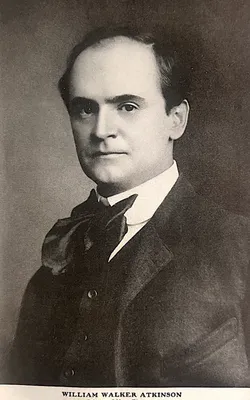
William Walker Atkinson wrote under the p
William Walker Atkinson (December 5, 1862 – November 22, 1932) was an American attorney, publisher, author, and pioneer of the New Thought movement. He is the presumed author of the pseudonymous works attributed to Theron Q.
💡 Why Read This Book?
This book serves as an accessible gateway to the profound philosophies of Yoga and Oriental occultism. Ideal for spiritual seekers, students of comparative religion, and practitioners of mind-body disciplines, it offers clear, actionable lessons on developing inner awareness, understanding universal laws, and unlocking personal potential. Its enduring relevance lies in its ability to illuminate ancient wisdom for modern life.
⭐ Reader Reviews
Honest opinions from readers who have explored this book.
❓ Frequently Asked Questions
What is the primary focus of William Walker Atkinson's "Fourteen Lessons in Yogi Philosophy and Oriental Occultism"?
The book primarily focuses on demystifying yogic philosophy and Oriental occultism, presenting complex Eastern spiritual concepts in a structured, lesson-based format accessible to Western readers. It explores consciousness, universal laws, and inner development.
Who was William Walker Atkinson and why did he write under pseudonyms?
William Walker Atkinson was a prolific author on occultism, New Thought, and metaphysics. He often wrote under pseudonyms to reach a wider audience and explore various facets of esoteric thought without being rigidly defined by a single persona.
What makes this book relevant to modern readers interested in spirituality?
Its enduring relevance stems from its focus on universal principles of consciousness, mind-power, and self-discovery, which remain central to many modern spiritual and self-help practices. The lessons offer timeless guidance for personal growth and understanding.
How were these lessons originally presented?
These fourteen lessons were originally part of a correspondence course offered in 1904. Students would receive the lessons sequentially upon payment, indicating an interactive and progressive learning approach.
What kind of occultism is discussed in the book?
The book delves into what Atkinson terms 'Oriental occultism,' which encompasses the mystical and hidden philosophical aspects of Eastern traditions, particularly those related to Yoga, meditation, psychic phenomena, and the subtle energetic body.
🔮 Key Themes & Symbolism
The Power of Yogi Philosophy
This theme delves into the core tenets of yogic philosophy as presented by Atkinson, emphasizing its practical application for spiritual growth and self-mastery. It explores concepts such as the nature of the mind, the control of vital forces, and the attainment of higher consciousness through disciplined practice. The lessons aim to reveal yoga not just as a physical discipline, but as a comprehensive system for understanding the self and the universe, fostering inner peace and profound insight into the human condition.
Unveiling Oriental Occultism
This theme focuses on the esoteric and hidden knowledge within Oriental traditions, as interpreted by Atkinson. It navigates through the subtle energies, psychic phenomena, and universal laws that are often veiled from common perception. The book seeks to illuminate the 'occult' not as mere magic, but as the science of hidden principles governing existence. Readers are guided to understand the interconnectedness of all things, the power of thought, and the potential for individuals to consciously interact with these forces for personal and spiritual advancement.
The Journey of Inner Transformation
This theme highlights the transformative journey that the reader undertakes through the fourteen lessons. Atkinson structures the material to foster a gradual awakening of consciousness, encouraging introspection, self-awareness, and the development of latent psychic abilities. The lessons are designed to be a practical guide, empowering individuals to cultivate mental discipline, emotional balance, and a deeper understanding of their spiritual nature. It emphasizes the potential for profound personal evolution and the realization of one's true, higher self.
💬 Memorable Quotes
“The greatest truths are often hidden in plain sight.”
— This quote underscores the esoteric principle that profound wisdom is not always concealed but can be overlooked due to conventional perception or lack of focused attention, urging the reader to look beyond the surface.
“The mind is the builder of the world.”
— A cornerstone of New Thought and metaphysical philosophy, this quote emphasizes the creative power of thought and consciousness in shaping one's reality and experiences.
“Know thyself, and the universe shall unfold.”
— This ancient maxim, central to many wisdom traditions, suggests that true self-understanding is the key to unlocking the mysteries of existence and one's place within it.
“Silence is the mother of wisdom.”
— Highlighting the importance of introspection and quiet contemplation, this quote points to the value of stillness in gaining profound insights and spiritual understanding.
“The Yogi controls his forces.”
— This encapsulates the yogic ideal of self-discipline and mastery over one's physical, mental, and vital energies, leading to inner peace and spiritual power.
🌙 Esoteric Significance
Tradition
This work draws heavily from the traditions of Raja Yoga and Vedanta, key branches of Indian philosophy and spiritual practice. Atkinson also incorporates elements of Hermeticism and New Thought, blending them with yogic principles to create a holistic system for spiritual development. The emphasis on mind control, meditation, and the understanding of universal laws aligns with the core tenets of esoteric traditions seeking to unlock hidden potentials within the human psyche.
Symbolism
The book implicitly uses symbolism inherent in yogic philosophy, such as the chakras (energy centers), the concept of Kundalini (dormant spiritual energy), and the Om symbol (representing the primordial sound). Atkinson's explanations often touch upon the symbolic meanings of yogic practices, framing them as keys to unlocking deeper spiritual understanding and connection with the divine.
Modern Relevance
The book's exploration of consciousness, mindfulness, mental discipline, and the mind-body connection remains remarkably relevant today. Its accessible approach to yogic philosophy and occult principles provides a foundational understanding for contemporary practitioners of meditation, yoga, and self-improvement, offering timeless wisdom for navigating the complexities of modern life.
👥 Who Should Read This Book
This book is a treasure trove for several distinct groups. **Beginners** seeking an introductory yet profound understanding of Eastern spirituality will find Atkinson's clear, step-by-step lessons invaluable. **Spiritual Seekers** yearning for deeper meaning and practical tools for self-discovery will appreciate the focus on inner transformation and universal laws. **Students of Occult Philosophy and Comparative Religion** will find it an essential text for understanding the historical bridge between Eastern and Western esoteric thought. **Practitioners of Yoga and Meditation** looking to deepen their theoretical and philosophical understanding beyond the physical aspects will benefit immensely from its yogic insights.
📜 Historical Context
Published in 1912, "Fourteen Lessons in Yogi Philosophy and Oriental Occultism" emerged during a period of intense fascination with Eastern spirituality in the West. The late 19th and early 20th centuries witnessed a significant influx of Indian sages, philosophers, and spiritual teachers to Europe and North America, profoundly influencing Western thought. Hinduism and Buddhism gained considerable traction, inspiring movements like Theosophy and the burgeoning New Thought philosophy. William Walker Atkinson was a key figure in this intellectual exchange, adept at translating complex Eastern doctrines into accessible language for a Western audience. This era, preceding the seismic shifts of World War I, was characterized by a vibrant spiritual exploration, a search for alternative worldviews, and a growing interest in the mind's potential and esoteric sciences.
📔 Journal Prompts
Reflect on the concept of 'the mind is the builder of the world.' How has your mind shaped your reality, and what shifts can you consciously make?
Consider the yogic principle of controlling one's forces. In which areas of your life do you feel you lack control, and what small steps can you take towards mastery?
The book suggests that great truths are often hidden in plain sight. What 'obvious' truths about yourself or the world have you recently begun to truly see?
How does the idea of universal laws, as presented in the book, resonate with your personal experiences and beliefs about how the universe operates?
Contemplate the practice of stillness and silence. How can incorporating more quiet reflection into your daily life enhance your wisdom and self-understanding?
🗂️ Glossary
Yogi
An individual who practices Yoga, a spiritual discipline aiming for union with the divine or ultimate reality through physical, mental, and spiritual practices.
Occultism
The study of hidden or secret knowledge, particularly concerning supernatural, mystical, or magical forces and phenomena, often seeking to understand the underlying principles of existence.
Consciousness
The state of being aware of and responsive to one's surroundings; the mind's awareness of itself and its existence, often explored as a fundamental aspect of reality.
Prana
In yogic and Hindu traditions, the vital life force or energy that animates all living beings, often associated with breath and believed to be controllable through yogic techniques.
Metaphysics
A branch of philosophy that examines the fundamental nature of reality, including the relationship between mind and matter, substance and attribute, and potentiality and actuality.