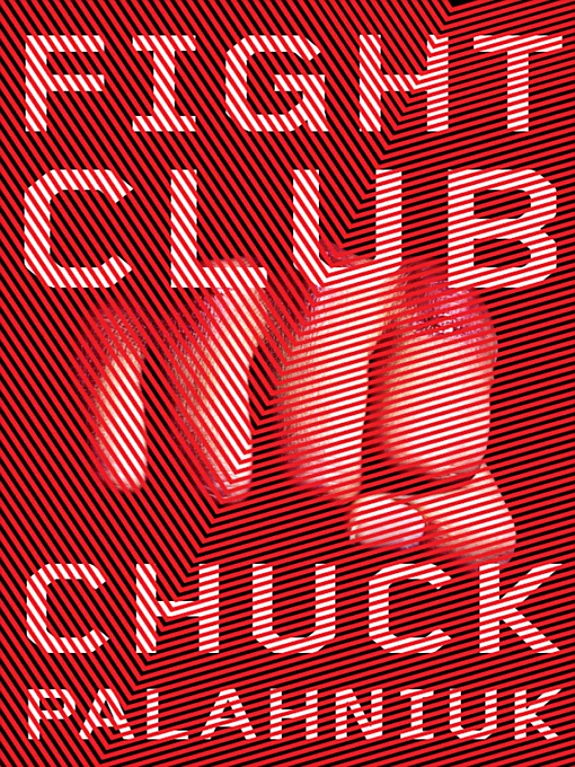
Fight Club: A Novel
 82
82

Fight Club: A Novel
Palahniuk crafts a narrative that operates like a raw nerve, exposing the anxieties of a generation drowning in its own possessions. The narrator's descent into the nihilistic embrace of Tyler Durden is both horrifying and perversely compelling. The novel's strength lies in its unflinching portrayal of societal decay and the desperate, often violent, search for authenticity. However, the sheer extremity of its premise, while effective as satire, can sometimes overshadow the subtler psychological underpinnings. The famous twist, while impactful, re-contextualizes the narrative in a way that might feel overly convenient to some readers. Nevertheless, "Fight Club" remains a potent, if brutal, examination of modern malaise.
📝 Description
82
### What It Is Chuck Palahniuk's 2005 novel, "Fight Club," presents a stark, anarchic vision of consumer culture and modern alienation. The narrative follows an unnamed narrator, suffering from insomnia and a profound dissatisfaction with his corporate life, who finds a perverse liberation through a clandestine underground fighting circuit. This isn't mere brawling; it's a ritualistic rejection of societal norms and material obsessions.
### Who It's For This work appeals to readers disillusioned with consumerism and seeking an extreme critique of modern identity. It's for those who appreciate dark satire and are willing to confront uncomfortable truths about societal pressures and the search for authentic experience. Those interested in counter-cultural movements and psychological thrillers will find material here.
### Historical Context Published in 2005, "Fight Club" emerged in a period marked by late-stage capitalism and a growing unease with globalized markets and corporate influence. The novel tapped into a zeitgeist of anti-consumerist sentiment, echoing sentiments found in earlier counter-cultural movements. Its reception was polarized, with critics praising its raw energy while others condemned its nihilistic undertones.
### Key Concepts The novel explores themes of identity fragmentation, the performative nature of masculinity, and the corrosive effects of unchecked consumerism. It critiques the ways in which societal expectations and material possessions can hollow out individual existence, leading to a desperate search for meaning. The fight club itself becomes a symbol of primal release and a rebellion against manufactured realities.
💡 Why Read This Book?
• Understand the visceral critique of consumerism presented through the fight club's ritualistic violence, a stark contrast to the narrator's sterile corporate life in 2005. • Experience the psychological exploration of fractured identity and the search for authentic selfhood beyond societal conditioning, as embodied by the narrator's relationship with Tyler Durden. • Grasp the novel's commentary on modern masculinity and its performance, particularly how physical confrontation serves as a desperate, albeit destructive, form of self-expression.
⭐ Reader Reviews
Honest opinions from readers who have explored this book.
❓ Frequently Asked Questions
What is the core message of Chuck Palahniuk's 'Fight Club'?
The core message critiques unchecked consumerism, corporate alienation, and the manufactured nature of modern identity, suggesting a violent, primal rebellion as a response to this existential void.
When was 'Fight Club' first published?
'Fight Club' was first published on October 17, 2005, in the United States.
Who are the main characters in 'Fight Club'?
The main characters are the unnamed narrator, suffering from insomnia and dissatisfaction, and the charismatic, anarchic Tyler Durden, who becomes his alter ego.
What is Project Mayhem in 'Fight Club'?
Project Mayhem is the escalation of the fight club's activities into a nationwide anti-consumerist, anti-corporate terrorist organization led by Tyler Durden.
Does 'Fight Club' offer solutions to societal problems?
The novel doesn't offer conventional solutions; rather, it presents an extreme, destructive catharsis as a response to perceived societal emptiness and superficiality.
What is the significance of the narrator's insomnia?
The narrator's insomnia symbolizes his profound detachment from reality and his inability to find solace or meaning in his conventional life, making him susceptible to Tyler Durden's influence.
🔮 Key Themes & Symbolism
Anti-Consumerism and Materialism
The novel dissects the hollow promises of consumer culture, where identity is constructed through possessions. The narrator's initial life is defined by IKEA furniture and support groups for diseases he doesn't have, highlighting a desperate search for authenticity amidst material excess. The fight club offers a brutal counterpoint, a shedding of the physical and societal markers of wealth and status in favor of primal, unadorned existence.
Identity Fragmentation and Masculinity
Palahniuk explores the fractured psyche of the modern man, particularly the crisis of masculinity in a society that offers little in the way of traditional roles. The narrator's dissociation and eventual merging with Tyler Durden represent a radical, albeit pathological, attempt to reclaim a sense of agency and power. The physical violence becomes a desperate performance of hyper-masculinity, a stark contrast to the emasculating pressures of corporate life.
Alienation and Nihilism
The pervasive sense of alienation is central, with the narrator feeling disconnected from his job, his life, and himself. This void is filled by Tyler Durden's nihilistic philosophy, which advocates for destruction as a form of purification. The novel posits that in a world devoid of inherent meaning, extreme actions and a rejection of societal structures become the only path to feeling alive.
The Search for Meaning and Experience
Beyond the violence and nihilism, the book grapples with a fundamental human need for genuine experience and connection. The fight club, paradoxically, provides this for its members – a shared ritual, a sense of belonging, and an escape from the anesthetizing effects of modern life. This search for visceral reality drives the narrative's chaotic progression.
💬 Memorable Quotes
“The things you own end up owning you.”
— This quote encapsulates the novel's critique of consumerism. It suggests that our attachment to material possessions can become a form of bondage, dictating our lives and limiting our freedom.
“I am Jack's complete lack of surprise.”
— This recurring phrase signifies the narrator's growing detachment and resignation. It reflects a profound disillusionment where even shocking events fail to elicit a genuine emotional response.
“It's only after we've lost everything that we're free to do anything.”
— This statement, central to Tyler Durden's philosophy, posits that true freedom comes from shedding all attachments, including societal expectations and material possessions, enabling radical action.
“We are the middle children of history. No purpose or defined place.”
— This interpretation speaks to the narrator's sense of existential aimlessness and the perceived lack of meaning for his generation within the grand narrative of history.
“You are not your job, you're not how much money you have in the bank.”
— This is a direct challenge to the modern tendency to define self-worth through career and financial status, advocating for a more intrinsic sense of identity.
🌙 Esoteric Significance
Tradition
While not explicitly aligned with a specific esoteric lineage, 'Fight Club' can be interpreted through Gnostic lenses. The narrator's alienation and the search for a 'true' self hidden beneath a false material reality resonate with Gnostic themes of spiritual awakening and the rejection of a corrupt, illusory material world. Tyler Durden functions as a demiurge-like figure, offering a path to liberation through radical rejection of the established order.
Symbolism
The fight club itself symbolizes a return to primal, unmediated experience, a shedding of the artificial layers imposed by society. Soap, a recurring motif, represents purification and a cleansing of the material world, ironically achieved through the very products of that world. The narrator's insomnia is a potent symbol of his detachment from reality, a spiritual sickness born from societal anomie.
Modern Relevance
Contemporary thinkers and practitioners exploring themes of post-modern alienation, radical self-transformation, and critiques of hyper-capitalism often reference 'Fight Club.' Its exploration of identity dissolution and the construction of self through extreme acts finds echoes in certain fringe philosophical circles and in discussions about the psychological effects of social media and digital life.
👥 Who Should Read This Book
• Disillusioned consumers seeking a literary catharsis for their critiques of materialism and corporate culture. • Students of post-modern literature interested in exploring themes of identity fragmentation and anti-establishment narratives. • Readers drawn to dark satire and psychological thrillers that examine the underbelly of societal norms and individual desperation.
📜 Historical Context
When "Fight Club" was published in 2005, the cultural landscape was dominated by the pervasive influence of globalized capitalism and the nascent anxieties surrounding the internet age. Palahniuk's work tapped into a vein of discontent that had been brewing since the late 20th century, echoing sentiments found in earlier counter-cultural movements and critiquing the superficiality championed by figures like Naomi Klein in her 1999 book 'No Logo.' The novel’s reception was notably divided; while lauded by some for its raw, provocative style and sharp social commentary, others condemned its nihilistic undertones and potential to incite violence. It gained significant traction through word-of-mouth and its subsequent film adaptation, becoming a touchstone for discussions on consumerism and alienation in the early 2000s.
📔 Journal Prompts
Tyler Durden's philosophy of shedding possessions and societal roles.
The narrator's insomnia as a symptom of existential malaise.
The ritualistic nature of the fight club meetings.
The symbolic meaning of soap in the novel.
Project Mayhem's escalation from personal rebellion to organized disruption.
🗂️ Glossary
Support Groups
The narrator attends various support groups for illnesses he does not have as a means to feel something, representing his profound alienation and search for connection.
IKEA Nation
A term reflecting the novel's critique of consumerism, where identity and lifestyle are dictated by mass-produced, fashionable goods, particularly furniture.
Tyler Durden
A charismatic and anarchic alter ego of the narrator, embodying rebellion against consumerism and societal norms through extreme violence and nihilism.
Project Mayhem
The organized, destructive anti-consumerist movement that evolves from the fight club, representing a radicalization of Tyler Durden's ideology.
Soap
A recurring symbol representing purification and a return to primal elements, ironically manufactured by the very consumerist society being rejected.
Insomnia
The narrator's chronic inability to sleep, symbolizing his deep dissatisfaction, detachment from reality, and spiritual emptiness.
Space Monkeys
Members of Project Mayhem who undergo rigorous, often dangerous, initiation rituals to prove their devotion and shed their former identities.