Feng shui made easy
 74
74

Feng shui made easy
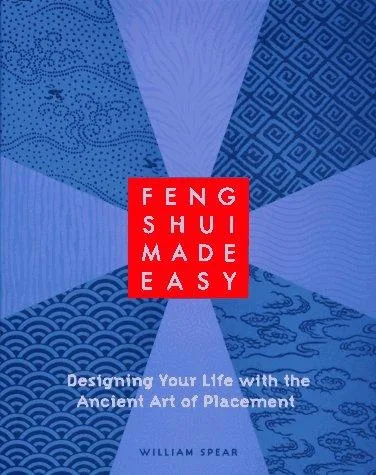
William Spear’s "Feng Shui Made Easy" presents a refreshingly direct approach to a practice often shrouded in mystique. The book excels in its clarity, stripping away esoteric jargon to reveal practical applications for everyday spaces. Its strength lies in the immediate usability of its advice; for instance, the section on enhancing the 'wealth corner' using specific colors and elements provides a concrete action plan. However, the book’s very simplicity can be a limitation. While accessible, it sometimes glosses over the deeper philosophical underpinnings and historical evolution of Feng Shui, potentially leaving practitioners with a mechanistic understanding rather than a holistic one. The emphasis on tangible results, while appealing, might overlook the subtle energetic nuances that seasoned practitioners explore. Ultimately, "Feng Shui Made Easy" serves as a competent, if somewhat superficial, entry point for those seeking to quickly implement basic Feng Shui principles.
📝 Description
74
### What It Is
William Spear's "Feng Shui Made Easy," first published in 1995, offers a practical introduction to the ancient Chinese art and science of harmonizing individuals with their environment. This work demystifies the principles of Feng Shui, presenting them in a format accessible to Western readers unfamiliar with its origins. It focuses on actionable advice for improving the energy flow, or 'qi,' within homes and workplaces, aiming to foster well-being, prosperity, and positive relationships. The book moves beyond mere aesthetics, delving into the subtle energetic qualities of spaces.
### Who It's For
This guide is tailored for individuals seeking tangible methods to enhance their living and working conditions. It appeals to those new to Feng Shui who desire a straightforward approach without extensive theoretical background. Readers interested in personal development, home improvement, and creating more balanced environments will find value here. It is also suitable for anyone feeling stuck or experiencing stagnant energy in their personal or professional life, looking for practical solutions to shift their circumstances through environmental adjustments.
### Historical Context
"Feng Shui Made Easy" emerged during a period of increasing Western interest in Eastern philosophies and practices, particularly in the 1990s. As global communication facilitated the spread of diverse cultural traditions, Feng Shui began to gain traction beyond academic and niche circles. Spear’s work contributed to this popularization by translating complex concepts into easily digestible advice. The book arrived as New Age philosophies were gaining mainstream attention, offering a concrete system for self-improvement through environmental manipulation, contrasting with more abstract spiritual pursuits.
### Key Concepts
The core of Spear's approach lies in identifying and manipulating the flow of qi. This vital energy is understood to influence health, wealth, and happiness. The book elaborates on the Five Elements theory (Wood, Fire, Earth, Metal, Water), explaining their interactions and how they manifest in design. It also introduces the Bagua map, a tool for analyzing spaces by dividing them into nine areas, each corresponding to a life aspect such as wealth, career, or relationships. Understanding the placement and function of these elements and areas is central to applying Feng Shui principles effectively for desired outcomes.
💡 Why Read This Book?
• You will learn specific, actionable techniques for improving the energy flow in your home, such as identifying and correcting 'qi blockages' using the principles of the Five Elements as outlined in Chapter 3. • You will gain practical methods for analyzing your living space with the Bagua map, enabling you to target specific life areas like career or relationships for enhancement, a core technique discussed in Chapter 4. • You will understand how to balance the energetic properties of your environment through the strategic placement of colors, shapes, and materials, drawing directly from Spear's guidance on the Five Elements in practical application.
⭐ Reader Reviews
Honest opinions from readers who have explored this book.
❓ Frequently Asked Questions
What is the core principle of Feng Shui presented in William Spear's book?
The core principle is harmonizing individuals with their environment by optimizing the flow of 'qi' (vital energy). Spear's "Feng Shui Made Easy" focuses on practical methods to achieve this balance within homes and workplaces for improved well-being.
When was William Spear's Feng Shui Made Easy first published?
William Spear's "Feng Shui Made Easy" was first published in 1995, reflecting a growing interest in practical applications of Eastern philosophies during that decade.
What are the Five Elements in Feng Shui as explained by Spear?
Spear explains the Five Elements as Wood, Fire, Earth, Metal, and Water. These are fundamental concepts used in Feng Shui to understand the interactions and balance of energy within a space.
How does the Bagua map work according to 'Feng Shui Made Easy'?
The Bagua map is presented as a tool to divide a space into nine areas, each corresponding to a specific life aspect like wealth or health. By analyzing these areas, one can make adjustments to improve energy.
Is 'Feng Shui Made Easy' suitable for beginners?
Yes, the book is specifically designed for beginners. It demystifies Feng Shui, offering straightforward advice and practical steps without requiring prior knowledge of its complex theories.
What is 'qi' in the context of Feng Shui as described by Spear?
Qi, as explained by Spear, is the vital life force or energy that flows through everything. In Feng Shui, the goal is to ensure qi flows smoothly and beneficially within a space to promote health and prosperity.
🔮 Key Themes & Symbolism
Qi Flow and Environmental Harmony
The central tenet explored is the concept of 'qi,' or vital life force, and its crucial role in shaping our experiences. Spear's work emphasizes that the way qi flows through a home or office directly impacts the inhabitants' well-being, prosperity, and relationships. The book provides practical methods for identifying stagnant or rushing qi and offers techniques to create a balanced, supportive energetic environment. This involves understanding how architectural features, furniture placement, and even clutter can either obstruct or facilitate harmonious energy flow, making the physical space an active participant in one's life.
The Five Elements Framework
Spear utilizes the ancient Chinese theory of the Five Elements—Wood, Fire, Earth, Metal, and Water—as a foundational system for understanding energetic interactions. Each element possesses unique qualities and influences that, when balanced, create harmony, but when out of balance, can lead to discord. The book explains how these elements manifest in physical forms, colors, shapes, and materials within our surroundings. Applying this framework allows readers to make conscious choices in decorating and organizing their spaces to foster specific desired energies, such as growth (Wood) or stability (Earth).
The Bagua Map for Spatial Analysis
A key practical tool presented is the Bagua map, an octagonal or square grid used to divide a space into nine distinct life areas. Each area corresponds to specific aspects of life, such as wealth and abundance, career and life path, or relationships and love. Spear guides readers on how to overlay this map onto their homes or offices to identify which areas require attention. By understanding the energetic qualities associated with each Bagua sector and applying appropriate Feng Shui remedies, individuals can actively influence and improve these specific aspects of their lives.
Practical Application and Home Cures
Distinguishing itself from more theoretical texts, "Feng Shui Made Easy" prioritizes actionable advice and simple 'cures' for common environmental issues. Spear focuses on straightforward adjustments that anyone can implement, such as decluttering, using mirrors strategically, incorporating specific colors, or adding plants. The emphasis is on empowering readers to take control of their environment and, by extension, their lives, without needing extensive renovations or costly items. The book serves as a practical manual for transforming one's living and working spaces into more supportive and energetically vibrant places.
💬 Memorable Quotes
“The arrangement of your home affects the flow of energy, which in turn impacts your life.”
— This statement encapsulates the core premise of Feng Shui as presented by Spear: that our physical surroundings are not inert but are active participants in influencing our well-being and circumstances through energetic principles.
“Stagnant energy in a room can lead to stagnation in your personal or professional life.”
— This highlights the direct correlation Spear draws between the energetic state of a space and the user's life experiences, suggesting that addressing environmental blockages can unlock personal progress.
“The Five Elements are not just concepts; they are forces that interact in your environment.”
— This interpretation emphasizes that Spear views the Five Elements (Wood, Fire, Earth, Metal, Water) as dynamic principles that actively shape the energetic landscape of a space, requiring conscious management.
“Use the Bagua map to identify areas in your home that need energetic support.”
— This paraphrased concept points to the practical utility of the Bagua map as a diagnostic tool, enabling readers to pinpoint specific life aspects that may benefit from targeted Feng Shui interventions.
“Simple adjustments can create significant shifts in the energy of your space.”
— This sentiment underscores Spear's philosophy of accessibility, suggesting that profound positive changes in one's environment and life are achievable through manageable, everyday modifications rather than complex overhauls.
🌙 Esoteric Significance
Tradition
This work fits within the broad umbrella of Chinese metaphysical traditions, specifically Geomancy, which seeks to harmonize human existence with the terrestrial environment. While rooted in Taoist principles concerning the flow of qi and yin-yang balance, Spear's approach leans towards practical application rather than deep philosophical or ritualistic engagement. It departs from more complex classical Feng Shui schools by prioritizing simplicity and immediate results, making it a more secular and design-oriented interpretation for a Western audience unfamiliar with its deeper Taoist cosmology.
Symbolism
The Five Elements (Wood, Fire, Earth, Metal, Water) are central symbolic motifs, representing fundamental energetic qualities and cycles of creation and destruction that govern the universe and our environments. The Bagua map functions as a symbolic mandala, an energetic blueprint that divides space and life into distinct, interconnected realms, guiding the practitioner to understand and influence these energies. Colors, shapes, and the placement of objects like mirrors and plants also carry symbolic weight, acting as conduits or modifiers of qi.
Modern Relevance
Contemporary practitioners and designers continue to draw from Spear's accessible approach, particularly in fields like interior design, wellness architecture, and personal coaching. His emphasis on practical application resonates with modern audiences seeking tangible improvements in their living and working conditions. While more esoteric schools of Feng Shui delve into complex calculations and historical lineages, Spear’s work remains a popular reference for those seeking straightforward methods to enhance their immediate environment and personal well-being, bridging ancient wisdom with contemporary lifestyle needs.
👥 Who Should Read This Book
• Individuals new to Feng Shui seeking a clear, step-by-step guide to understanding and applying basic principles in their homes. • Homeowners or renters interested in practical, non-intrusive methods for improving the atmosphere and energy of their living spaces. • Professionals looking for ways to optimize their office environments for greater productivity, focus, and positive interpersonal dynamics.
📜 Historical Context
Published in 1995, "Feng Shui Made Easy" emerged within a broader cultural wave of interest in Eastern philosophies and self-improvement practices that gained momentum in the late 20th century. This period saw a significant increase in the availability of translated texts and the popularization of concepts like mindfulness, martial arts, and traditional healing systems in the West. Spear’s book tapped into this zeitgeist by offering a practical, accessible entry point to Feng Shui, a discipline with ancient roots in Chinese metaphysics. It arrived alongside works by authors like Lillian Too, who were also instrumental in translating Feng Shui for a global audience. While not directly engaging with academic discourse, Spear’s work indirectly contributed to the Western understanding and adoption of geomancy, offering a counterpoint to more spiritual or esoteric interpretations by focusing on tangible environmental adjustments.
📔 Journal Prompts
Reflect on the 'qi flow' in your primary living space and identify one area of potential blockage.
Analyze your home's 'wealth corner' using the Bagua map and note its current energetic state.
Consider the dominant Five Elements present in your bedroom and their potential impact on your rest.
How does the current placement of furniture in your workspace align with principles of balanced qi?
Identify one specific 'cure' or adjustment suggested by Spear that you can implement this week.
🗂️ Glossary
Qi (Chi)
The fundamental life force or vital energy believed to flow through all things. In Feng Shui, the goal is to ensure qi flows smoothly and beneficially within a space.
Bagua
An energy map, often octagonal or square, used in Feng Shui to divide a space into nine areas, each corresponding to a specific aspect of life or a fundamental element.
Five Elements
The ancient Chinese theory of Wood, Fire, Earth, Metal, and Water, representing fundamental energetic qualities and their interactions, used to analyze and balance environments.
Yin and Yang
The Taoist concept of complementary, interconnected opposites (e.g., dark/light, passive/active). Feng Shui seeks to balance these energies within a space.
Stagnant Qi
Energy that has become stuck or blocked, often due to clutter or poor layout, which can negatively impact the inhabitants' well-being.
Sha Qi
Negative or 'killing' energy, often associated with sharp angles, straight lines, or disruptive elements within a space, which Feng Shui aims to mitigate.
Home Cures
Simple adjustments or additions (like plants, mirrors, or specific colors) used in Feng Shui to correct energetic imbalances or enhance specific areas.