Fear of Jung

 72
72

Fear of Jung
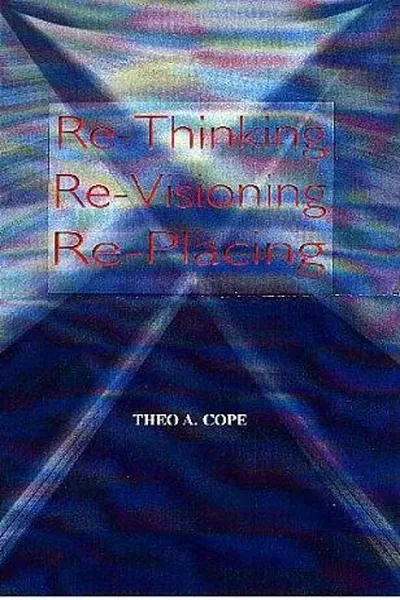
Theo A. Cope's "Fear of Jung" grapples with the pervasive apprehension that often surrounds Carl Jung's more speculative and esoteric ideas. The work is commendable for its direct approach to concepts that many find daunting, particularly the collective unconscious and the archetypal realm. Cope’s analysis of the psychological significance of symbols, such as the ouroboros, offers a clear pathway into Jung’s symbolic language, demonstrating how these motifs function within the psyche. However, the book occasionally suffers from a density that may challenge readers unfamiliar with Jungian terminology, requiring careful re-reading of certain passages. A notable strength lies in its detailed exposition of Jung’s critique of purely materialistic scientific paradigms, highlighting his belief in the reality of psychic phenomena. The limited exploration of Jung's later work on synchronicity is a missed opportunity for further depth. Ultimately, "Fear of Jung" serves as a valuable, albeit demanding, primer for those seeking to confront and understand the more challenging dimensions of Jungian psychology.
📝 Description
72
### What It Is
This book offers an examination of the foundational concepts and psychological theories proposed by Swiss psychiatrist Carl Jung. It explores the underpinnings of his analytical psychology, moving beyond superficial interpretations to engage with the core ideas that shaped modern psychodynamic thought. The work presents Jung's unique framework for understanding the human psyche, including his theories on the collective unconscious and archetypes.
### Who It's For
Readers interested in the deeper currents of psychological theory and their connections to esoteric thought will find this volume particularly relevant. It is suited for those who have a foundational understanding of psychology or philosophy and seek to explore the less conventional aspects of Jungian analysis. Students of comparative religion, mythology, and consciousness studies will also benefit from its detailed exposition.
### Historical Context
The genesis of Carl Jung's theories, as presented here, emerged during a period of intense intellectual ferment in early 20th-century Europe. Jung, initially a close associate of Sigmund Freud, began to diverge from Freudian psychoanalysis in the late 1910s. This schism was partly fueled by Jung's exploration of spiritual and mythological themes, which he felt were essential to a complete understanding of the psyche. His work developed alongside and sometimes in contrast to other emerging psychological schools and philosophical movements of the era.
### Key Concepts
The book details several seminal Jungian concepts. Central among these is the theory of the collective unconscious, a hypothesized layer of the psyche shared by all humanity, containing archetypes. It also addresses the concepts of individuation, the process of psychological integration and differentiation, and the role of archetypes such as the Shadow, Anima/Animus, and the Self in shaping individual experience and collective mythologies.
💡 Why Read This Book?
• Gain a structured understanding of Carl Jung's core theories, including the collective unconscious and individuation, as presented in this 2018 analysis, which offers a focused perspective distinct from broader Jungian surveys. • Explore the symbolic language of Jungian psychology, learning how archetypes manifest and influence the human psyche, a crucial element Cope details through specific symbolic examples. • Understand the historical and intellectual milieu from which Jung’s ideas emerged, including his divergence from Freudian psychoanalysis, providing essential context for his unique contributions.
⭐ Reader Reviews
Honest opinions from readers who have explored this book.
❓ Frequently Asked Questions
When was "Fear of Jung" by Theo A. Cope originally published?
The book "Fear of Jung" by Theo A. Cope was first published in 2018, marking its entry into contemporary discussions on Jungian psychology and its esoteric implications.
What are the main psychological concepts discussed in "Fear of Jung"?
The book primarily examines Carl Jung's theories on the collective unconscious, archetypes (such as the Shadow and Anima/Animus), and the process of individuation.
Does the book connect Jungian psychology to esoteric traditions?
Yes, "Fear of Jung" explores the connections between Jung's psychological frameworks and various esoteric thought, examining how his ideas engage with mystical and symbolic systems.
Who is the intended audience for "Fear of Jung"?
This book is aimed at individuals interested in psychology, philosophy, comparative religion, and mythology, particularly those seeking a deeper understanding of Carl Jung's more complex theories.
What is the significance of the title "Fear of Jung"?
The title suggests an exploration of the apprehension or resistance some individuals feel towards engaging with Jung's more unconventional or spiritually-oriented psychological concepts.
What does the book say about Jung's concept of individuation?
The work discusses individuation as Jung's model for psychological development, focusing on the integration of the conscious and unconscious to achieve a more complete self.
🔮 Key Themes & Symbolism
The Collective Unconscious
This theme delves into Carl Jung's concept of the collective unconscious, a universal layer of the psyche inherited by all humans. Cope's work examines how this reservoir of archetypal images and patterns influences individual behavior, dreams, and cultural expressions. It posits that understanding these shared psychic structures is crucial for comprehending human motivation and the underlying currents of mythology and religion across diverse cultures.
Archetypal Psychology
The book analyzes the nature and function of archetypes within Jungian thought. Cope explains these primordial patterns of imagery and behavior, such as the Hero, the Mother, and the Trickster, as fundamental constituents of the collective unconscious. The discussion illuminates how archetypes shape our perceptions, relationships, and the narratives we construct, serving as blueprints for psychological experience and personal development.
Individuation and the Self
Central to the book is the exploration of the individuation process, Jung's term for the lifelong journey toward psychological wholeness. Cope details how this involves integrating various aspects of the psyche, including the conscious ego and the unconscious elements like the Shadow and Anima/Animus. The ultimate aim, the realization of the Self, is presented as the integration of all psychic components into a unified whole.
Jung and Esotericism
This theme addresses the perceived 'fear' or apprehension surrounding Jung's engagement with esoteric traditions, including alchemy, astrology, and Gnosticism. Cope examines how Jung viewed these systems not as mere superstition, but as symbolic expressions of deep psychological truths and pathways to understanding the unconscious. The work positions Jung's psychology as a bridge between empirical science and the mystical dimensions of human experience.
💬 Memorable Quotes
“The collective unconscious is the psychic inheritance of humanity.”
— This statement encapsulates Jung's radical idea that humans share a common psychic foundation, distinct from personal experience. It suggests that archetypal patterns are not learned but are innate, influencing our understanding of the world and ourselves.
“Archetypes are the psychic organs of the collective unconscious.”
— This interpretation frames archetypes as the functional components or structures within the shared psychic inheritance. They are the active principles that give form to the contents of the collective unconscious and manifest in universal symbols and myths.
“Individuation is the process of becoming who one truly is.”
— This paraphrase highlights the core goal of Jungian individuation: self-realization. It emphasizes a unique, personal journey of psychological integration and differentiation, moving towards a unified and authentic self.
“Fear often arises from confronting the unknown within the psyche.”
— This interpretation suggests that the 'fear of Jung' stems from the challenging nature of his work, which requires individuals to explore the unconscious, often revealing uncomfortable truths or unfamiliar aspects of the self.
“Symbols serve as bridges between the conscious and unconscious.”
— This concept underscores the vital role of symbolism in Jungian psychology. Symbols, whether in dreams or myths, are seen as messengers from the unconscious, offering insights and guiding the process of psychological integration.
🌙 Esoteric Significance
Tradition
This work engages with the Western Esoteric Tradition, particularly through its focus on Carl Jung's psychological framework, which itself drew heavily from Gnosticism, alchemy, and Hermeticism. Cope's analysis positions Jung's theories not merely as psychological constructs but as a modern interpretation of ancient mystical principles concerning the soul's journey and the nature of consciousness.
Symbolism
Key symbols explored include the Shadow, representing the repressed aspects of the personality; the Anima and Animus, as archetypal representations of the feminine in men and the masculine in women, respectively; and the Self, symbolizing wholeness and the ultimate goal of individuation. These symbols function as vital conduits to the collective unconscious.
Modern Relevance
Contemporary thinkers in depth psychology, comparative mythology, and consciousness studies continue to draw upon Jung's work as analyzed in "Fear of Jung." The book's exploration of archetypes and the collective unconscious remains relevant for understanding modern spiritual seeking, therapeutic practices, and the interpretation of cultural narratives in the 21st century.
👥 Who Should Read This Book
• Students of Analytical Psychology: Those seeking a focused exploration of Jung's core concepts, particularly the collective unconscious and archetypes, will find Cope's precise analysis beneficial. • Comparative Religion and Mythology Scholars: Individuals investigating the symbolic connections across diverse mythologies and spiritual traditions will gain insights into Jung's framework for understanding these patterns. • Esoteric Philosophy Enthusiasts: Readers interested in how psychological theories intersect with mystical and esoteric thought will appreciate the book's examination of Jung's engagement with alchemy and Gnosticism.
📜 Historical Context
Theo A. Cope's "Fear of Jung" emerges from a lineage of scholarship examining Carl Jung's profound impact on 20th-century thought, first published in 2018. Jung's own work, beginning in the early 20th century, challenged the prevailing scientific and psychological paradigms of his time. His development of analytical psychology, particularly his theories on the collective unconscious and archetypes, set him apart from contemporaries like Sigmund Freud, whose focus remained primarily on personal, repressed sexuality. Jung's exploration of Gnosticism, alchemy, and Eastern religions, seen as esoteric by many, positioned his ideas in dialogue with, yet distinct from, mainstream psychoanalysis and the burgeoning field of humanistic psychology. This book situates itself within ongoing academic and popular interest in Jung, addressing the persistent apprehension some feel towards his more metaphysical and spiritually oriented concepts, which were often met with skepticism by the established scientific community during his lifetime.
📔 Journal Prompts
The manifestation of the Shadow in personal life.
Identifying archetypal patterns in recent dreams.
The process of individuation as a lifelong endeavor.
Personal resonance with Jung's concept of the collective unconscious.
Symbolic representations encountered in daily life.
🗂️ Glossary
Collective Unconscious
A theorized layer of the human psyche that is inherited and shared by all people, containing universal archetypes and instincts.
Archetype
Universal, archaic patterns and images that derive from the collective unconscious and are the psychic counterpart of a biological instinct.
Individuation
The psychological process by which a person becomes an individual, integrating conscious and unconscious aspects of the self to achieve wholeness.
Shadow
The unconscious or repressed aspects of the personality that the conscious ego does not identify in itself.
Anima/Animus
The unconscious feminine aspect in a man (Anima) and the unconscious masculine aspect in a woman (Animus), fundamental archetypes in Jungian psychology.
Self
In Jungian psychology, the archetype of wholeness, representing the totality of the psyche, both conscious and unconscious.
Analytical Psychology
The school of psychology founded by Carl Jung, emphasizing the importance of the unconscious and archetypes in human behavior.