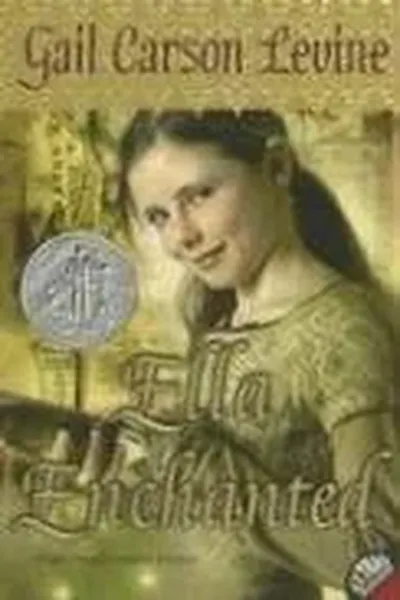
Ever

 75
75

Ever
Gail Carson Levine's Ever presents a compelling concept: a girl's transformation into something other, forcing a re-evaluation of self and society. The narrative's strength lies in its empathetic portrayal of the protagonist's disorientation and her struggle to reconcile her former life with her new reality. Levine excels at capturing the emotional fallout of radical change. However, the plot occasionally feels constrained by YA conventions, and some resolutions might appear too convenient for the profound existential shifts depicted. A particular point of interest is the exploration of the creature's sensory experience, which is vividly rendered, offering a glimpse into a non-human perspective. The novel serves as a solid exploration of identity crisis within a fantastical framework.
📝 Description
75
### What It Is Ever is a novel by Gail Carson Levine, first published in 2008. It tells the story of a young girl who is transformed into a creature of myth and must find her way in a new, often dangerous, existence.
### Who It's For This book is suited for readers who appreciate fantasy narratives with a strong emotional core and a focus on identity and belonging. Those interested in folklore and mythology, particularly the transformation of beings, will find thematic resonance here.
### Historical Context Published in 2008, Ever emerged during a period when YA fantasy literature was experiencing a significant boom, following the widespread success of series like Harry Potter and Twilight. Levine's work, while distinct, participated in this trend of exploring young protagonists facing extraordinary circumstances.
### Key Concepts The narrative explores themes of metamorphosis, self-discovery, and the blurred lines between the human and the magical. It examines how an individual grapples with a fundamental change in their nature and their place in the world, questioning what defines identity when outward form is altered.
💡 Why Read This Book?
• Understand the psychological impact of drastic physical alteration, as seen when the protagonist grapples with her changed form after the events of 2008. • Explore the narrative's engagement with folklore motifs, particularly how the book reinterprets classic transformation myths. • Gain insight into the complexities of belonging and identity when one is fundamentally different, a core struggle for the protagonist throughout the story.
⭐ Reader Reviews
Honest opinions from readers who have explored this book.
❓ Frequently Asked Questions
What is the central conflict in Gail Carson Levine's Ever?
The central conflict revolves around the protagonist's transformation into a creature of myth and her subsequent struggle to understand and navigate her new existence, while also seeking to reclaim aspects of her former life.
What kind of creature does the protagonist become in Ever?
The protagonist transforms into a being that is not entirely human, possessing qualities and attributes that set her apart and align her with fantastical or mythical beings.
Does Ever have a happy ending?
The ending of Ever offers a sense of resolution for the protagonist's journey of self-discovery and acceptance, though the nature of 'happy' is explored through the lens of her transformed identity.
What are the main themes explored in Ever?
Key themes include identity, transformation, belonging, the nature of humanity versus the monstrous, and the challenges of adapting to radical change.
Who is the target audience for Ever?
Ever is primarily aimed at young adult readers who enjoy fantasy, coming-of-age stories, and narratives that delve into themes of self-discovery and the supernatural.
When was Ever first published?
Ever was first published in 2008.
🔮 Key Themes & Symbolism
Metamorphosis and Identity
Ever centrally explores the profound psychological and social implications of metamorphosis. The protagonist's transformation into a non-human entity forces a complete re-evaluation of her identity, challenging her sense of self and her place in the world. The narrative examines how external changes impact internal perception, questioning what truly defines a person beyond their physical form. This exploration delves into the isolation and alienation that can accompany radical change, a concept resonant with alchemical ideas of transmutation and rebirth, though presented through a modern YA lens.
The Nature of Belonging
Central to Ever is the struggle for belonging in the wake of transformation. The protagonist finds herself estranged from her human life and must forge new connections within the mythical realm she has entered. The book probes the difficulties of finding acceptance when one is perceived as 'other' and examines the inherent human need for community and understanding. This theme touches upon the esoteric concept of the 'outsider' figure, often a necessary catalyst for growth or revelation within mystical narratives.
Mythic Archetypes
Levine draws upon archetypal figures and transformations common in folklore and mythology. The protagonist’s journey echoes classic tales of beings caught between worlds, such as nymphs, fae, or even alchemical homunculi. The narrative engages with these archetypes not merely as plot devices but as vehicles to explore universal human experiences of change, loss, and adaptation. The book's engagement with these enduring mythical patterns gives its themes a resonance that extends beyond the immediate narrative, touching on deeper symbolic currents.
Perception vs. Reality
Ever critically examines how perception shapes reality, both for the protagonist and for those around her. Her altered form leads others to perceive her as monstrous or alien, regardless of her inner humanity. The novel explores the gap between outward appearance and inner self, a recurring motif in esoteric thought that questions the superficiality of material form. It suggests that true understanding requires looking beyond the obvious, a principle central to many mystical traditions.
💬 Memorable Quotes
“She was no longer entirely human.”
— This concise statement encapsulates the core of the protagonist's crisis, marking the irreversible shift in her being and the fundamental challenge she must now confront.
“The world felt strange, seen through new eyes.”
— This highlights the profound disorientation that accompanies her transformation, emphasizing how altered physical senses change one's perception of reality itself.
“She had to find her place, even if it wasn't the one she knew.”
— This reflects the protagonist's burgeoning resolve to adapt and create a new identity and sense of belonging in her altered circumstances, a journey of self-creation.
“What was she now? Not entirely herself, not entirely something else.”
— This captures the liminal state of the protagonist, caught between two identities and struggling with the ambiguity of her new existence.
“Fear was a constant companion in this unfamiliar world.”
— This underscores the emotional weight of her transformation, illustrating the pervasive anxiety and vulnerability that accompany navigating a strange and potentially hostile environment.
🌙 Esoteric Significance
Tradition
Ever does not align strictly with a single esoteric tradition but draws broadly from archetypal mythologies and themes found across various spiritual and philosophical systems. Its exploration of metamorphosis and the liminal state between human and other can be seen as echoing Gnostic concepts of the soul's journey through different realms or alchemical ideas of transmutation. The narrative's focus on inner transformation and the redefinition of self suggests a resonance with Hermetic principles of 'as above, so below,' where internal states influence external reality and vice versa.
Symbolism
The primary symbolic element is the protagonist's transformation itself, representing a radical alteration of being, akin to the alchemical nigredo (blackening) or the soul's descent into the underworld. Her new form, often described with non-human attributes, symbolizes the 'other' and the confrontation with the shadow self or the hidden aspects of consciousness. The unfamiliar, often dangerous, landscape she navigates can symbolize the unconscious mind or the trials faced on a spiritual quest, requiring adaptation and inner fortitude.
Modern Relevance
Contemporary thinkers and practitioners in fields like Jungian psychology and ecopsychology find relevance in Ever's exploration of the 'other' and the integration of disparate aspects of self. The novel's engagement with themes of alienation and finding belonging in a transformed state speaks to modern discussions on identity, marginalization, and the search for authentic connection. It provides a narrative lens for understanding personal growth through radical change, a concept applicable to various self-help and spiritual development circles seeking to embrace transformation.
👥 Who Should Read This Book
• Young adults grappling with identity shifts or feeling like outsiders, who can find narrative validation in the protagonist's journey of self-discovery after her transformation. • Readers interested in folklore and mythology, particularly those who enjoy stories that reinterpret classic transformation myths and archetypes in a contemporary setting. • Aspiring writers and literary analysts seeking examples of how to explore complex themes of metamorphosis and belonging within a narrative framework, using the protagonist's experiences as a case study.
📜 Historical Context
Gail Carson Levine's Ever, published in 2008, arrived during a fertile period for young adult fantasy literature. The genre was experiencing a renaissance, fueled by the immense popularity of series like J.K. Rowling's Harry Potter and Stephenie Meyer's Twilight, which had captivated a global audience. Levine's novel participated in this trend by offering a story centered on a young protagonist undergoing extraordinary, often difficult, personal transformation. Unlike the more overtly magical schools or vampire covens dominating the market, Ever focused on a more personal, mythical metamorphosis, drawing on themes of folklore and identity that resonated with readers seeking deeper explorations of self. The year 2008 also saw continued academic and popular interest in mythology and fairy tales, with scholars like Maria Tatar publishing influential works on the subject, providing a backdrop of ongoing engagement with the very roots of such narratives.
📔 Journal Prompts
The protagonist's altered form and its impact on her perception.
Reflect on the meaning of belonging when one feels fundamentally changed.
The symbolic weight of the creature's existence.
Navigating unfamiliar territories, both internal and external.
Reconciling past identity with present reality.
🗂️ Glossary
Metamorphosis
A biological or mythological process of transformation, changing form or nature. In Ever, this refers to the protagonist's profound physical and existential alteration.
Archetype
A universal symbol or motif that recurs in literature and mythology, representing fundamental human experiences or characters, such as the Hero or the Trickster.
Liminal State
A transitional phase or state of being, often characterized by ambiguity and uncertainty, caught between two distinct conditions, like the protagonist's in Ever.
Folklore
The traditional beliefs, customs, and stories of a community, often passed through generations, which influence the mythical elements in Ever.
Identity Crisis
A period of intense self-examination and uncertainty about one's place in the world, particularly relevant to the protagonist after her transformation.
Myth
A traditional story, often concerning early history or explaining natural or supernatural phenomena, forming the basis for the protagonist's new existence.
Other
An entity perceived as fundamentally different from oneself or one's group, a concept central to how the protagonist is viewed and how she views herself.