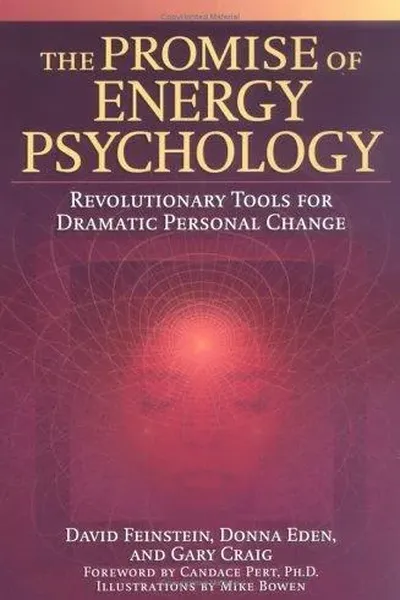
Energy psychology interactive self-help guide

 83
83

Energy psychology interactive self-help guide
David Feinstein’s 2002 offering, Energy Psychology: Interactive Self-Help Guide, attempts to bridge the gap between conventional psychology and the nascent field of energy work. Its strength lies in its practical, step-by-step approach, aiming to make complex energetic concepts accessible to the layperson. Feinstein’s methodical presentation of techniques, such as those involving meridian points and subtle energy flows, offers a tangible entry point for readers skeptical of purely abstract concepts. However, the book occasionally leans towards a prescriptive tone, which, while intended to guide, might feel overly directive for those seeking a more exploratory path. A particularly compelling aspect is the emphasis on the interconnectedness of thought, emotion, and physical sensation, framed within an energetic paradigm. The lack of extensive case studies, while perhaps contributing to its conciseness, leaves some of the more ambitious claims feeling less substantiated within the text itself. Ultimately, it serves as a functional primer for those curious about energy psychology, offering a structured introduction to its principles and practices.
📝 Description
83
### What It Is
Energy Psychology: Interactive Self-Help Guide, first published in 2002 by David Feinstein, offers a practical framework for understanding and influencing the body's energetic systems. It moves beyond theoretical discussions to provide actionable techniques for personal growth and well-being. The guide is structured to be accessible to individuals seeking to explore the mind-body connection through an energetic lens, integrating principles from psychology and subtle energy work.
### Who It's For
This guide is designed for individuals interested in self-directed healing and personal development who are open to exploring the energetic dimension of their lives. It is suitable for those curious about how their thoughts, emotions, and beliefs might interact with their physical and mental states on an energetic level. Practitioners in fields like coaching, therapy, or alternative wellness might also find it a valuable resource for expanding their understanding and toolkit.
### Historical Context
Published in 2002, this book emerged during a period of increasing interest in complementary and alternative medicine, as well as the integration of psychological principles with emerging understandings of bioenergetics. The early 2000s saw a growing acceptance of concepts like the mind-body connection in mainstream discourse, moving beyond purely physiological explanations of health. Feinstein's work tapped into this evolving landscape, offering a practical approach that predated much of the widespread discussion on energy psychology that followed.
### Key Concepts
The core of the guide revolves around the concept of "energy psychology," which posits that psychological issues can manifest and be addressed through the body's subtle energy systems. Feinstein introduces various techniques that aim to identify and rebalance these energies. This includes exploring the relationship between conscious and unconscious beliefs, emotional states, and physical sensations, framing them within an energetic model. The interactive nature of the guide suggests a focus on direct experience and application rather than purely academic study.
💡 Why Read This Book?
• You will learn specific techniques for identifying and influencing your personal energy fields, directly applicable to emotional and psychological well-being, as detailed in Feinstein’s interactive approach. • Gain practical methods for understanding the energetic underpinnings of psychological states, moving beyond talk therapy by engaging with concepts like meridian systems first explored in the early 2000s. • Discover how to apply energetic principles to your daily life for enhanced self-awareness and resilience, utilizing the interactive exercises designed by Feinstein to foster personal exploration.
⭐ Reader Reviews
Honest opinions from readers who have explored this book.
❓ Frequently Asked Questions
What is energy psychology according to David Feinstein's guide?
Energy psychology, as presented in Feinstein's 2002 guide, is an approach that views psychological issues as having an energetic component. It proposes that by working with the body's subtle energy systems, individuals can achieve psychological and emotional shifts.
Is this book suitable for beginners in esoteric studies?
Yes, the "Interactive Self-Help Guide" format suggests it is designed for individuals new to these concepts. Feinstein aims to make energy psychology accessible, offering practical steps for self-application.
What kind of techniques does the book introduce?
The book introduces various techniques rooted in energy psychology. While not explicitly detailed in the original blurb, such guides typically explore methods involving breathwork, visualization, and working with the body's energy pathways or meridians.
When was Energy Psychology: Interactive Self-Help Guide first published?
The book was first published in 2002, placing it within a period of growing interest in the mind-body connection and alternative therapeutic modalities.
Does the book require prior knowledge of esoteric traditions?
No, the 'self-help guide' designation implies that prior esoteric knowledge is not a prerequisite. The work aims to introduce concepts and practices in an accessible manner for a general audience.
What is the primary goal of the techniques presented?
The primary goal is to empower individuals with self-help tools to address psychological and emotional challenges by understanding and interacting with their own energy systems.
🔮 Key Themes & Symbolism
Mind-Body Energetic Interaction
This theme centers on the idea that psychological states are not confined to the brain but manifest energetically throughout the body. Feinstein's work explores how emotions, beliefs, and memories create energetic patterns that influence well-being. The "interactive" aspect suggests readers are guided to perceive and potentially influence these patterns through specific practices, moving beyond the purely cognitive to engage with the body's felt sense of energy.
Self-Directed Energetic Balancing
A core focus is on empowering individuals with tools for self-regulation and healing. The guide provides methods that readers can apply themselves to address energetic imbalances associated with stress, trauma, or limiting beliefs. This promotes a sense of agency, positioning the reader as an active participant in their own psychological and energetic health, rather than a passive recipient of treatment.
Bridging Psychology and Subtle Energy
The book's significance lies in its attempt to integrate principles from Western psychology with concepts of subtle or vital energy, often found in esoteric traditions. It seeks to provide a framework where psychological distress can be understood and addressed through energetic interventions, offering a complementary perspective to traditional therapeutic models prevalent around its publication in 2002.
Practical Application of Energetic Concepts
Unlike purely theoretical texts, this guide emphasizes "interactive" self-help. This implies a focus on actionable techniques that readers can practice directly. The aim is to translate abstract energetic concepts into concrete exercises that yield observable changes in subjective experience, making the esoteric tangible and applicable to everyday life.
💬 Memorable Quotes
“The body's energy system holds information about our psychological state.”
— This encapsulates the fundamental premise of energy psychology: that the subtle energies within and around us are not inert but carry meaningful data related to our emotional and mental experiences.
“Identifying energetic blocks is the first step toward releasing them.”
— This suggests a diagnostic element within energy work. By becoming aware of where energy might be stuck or disrupted, one can then employ specific techniques to facilitate its free flow and resolve associated psychological issues.
“Our beliefs create energetic patterns that influence our reality.”
— This highlights the power of cognitive and emotional frameworks. Feinstein implies that the energetic manifestation of our deeply held beliefs directly shapes our experience of the world around us.
“Integrating mind and body through energy work leads to holistic well-being.”
— This points to the ultimate goal of energy psychology practices: achieving a state of balance where mental, emotional, and physical aspects are harmonized through the manipulation or awareness of subtle energies.
“You can learn to sense and shift your own energy.”
— This is the core empowering message of a self-help guide. It asserts that individuals possess the innate capacity to perceive their energetic state and actively modify it for beneficial outcomes.
🌙 Esoteric Significance
Tradition
Feinstein's work draws implicitly from traditions that recognize vital force or subtle energy, such as Traditional Chinese Medicine (TCM) with its concepts of Qi and meridians, and various forms of bioenergetic analysis. While not explicitly aligning with a single esoteric lineage like Hermeticism or Gnosticism, it synthesizes principles of energy flow and its connection to consciousness, common across many esoteric systems that posit an energetic substrate to reality.
Symbolism
While the book is practical, its underlying concepts touch upon symbolic representations of energy. The idea of "meridians" can be seen as symbolic pathways of life force, akin to the nadis in yogic traditions. "Energetic blocks" symbolize stagnation or resistance, representing the spiritual or psychological obstacles that prevent free flow and well-being, much like dense matter obscuring light.
Modern Relevance
The principles articulated by Feinstein in 2002 continue to resonate. Contemporary practitioners in fields like somatic experiencing, trauma-informed care, and mindfulness-based therapies often incorporate energetic awareness and subtle body interventions. His work laid groundwork for the increased integration of energy psychology techniques within mainstream wellness and coaching industries, influencing modern approaches to stress reduction and emotional resilience.
👥 Who Should Read This Book
['• Individuals curious about the energetic dimension of their mental and emotional health, seeking practical tools beyond conventional talk therapy.', '• Personal development enthusiasts interested in self-guided methods for stress management and emotional regulation, particularly those drawn to holistic approaches.', '• Therapists, coaches, and alternative health practitioners looking to expand their understanding of mind-body connections and integrate new techniques into their practice.']
📜 Historical Context
Published in 2002, David Feinstein's "Energy Psychology: Interactive Self-Help Guide" emerged during a burgeoning period for mind-body medicine and alternative psychologies. The early 2000s witnessed a growing academic and public interest in exploring the limitations of purely biomedical and cognitive models of health. Feinstein's work tapped into this zeitgeist, offering practical applications of concepts that were gaining traction, such as the influence of subtle energy fields on psychological states. This was a time when researchers like Candace Pert were exploring neuropeptides and their role in connecting mind and body, and techniques like Emotional Freedom Techniques (EFT) were starting to gain wider recognition. While Feinstein's approach drew from various energetic traditions, it distinguished itself by its interactive, self-help format, aiming to democratize access to these potent techniques beyond the therapist's office. The reception was generally positive among those already exploring holistic health, though it existed alongside more established psychological paradigms like Cognitive Behavioral Therapy (CBT).
📔 Journal Prompts
The concept of "energetic patterns" and their manifestation in daily life.
Your personal experience with "identifying energetic blocks" in your emotional state.
The relationship between "beliefs" and the "energetic patterns" they create.
How sensing and shifting your "energy" impacts your physical sensations.
Reflecting on the "mind-body energetic interaction" during moments of stress.
🗂️ Glossary
Energy Psychology
An approach to psychology that views psychological issues as having an energetic component, proposing that by working with the body's subtle energy systems, individuals can achieve psychological and emotional shifts.
Subtle Energy
Refers to the non-physical energies believed to permeate living organisms and the universe, often associated with consciousness, vitality, and emotional states.
Meridian System
A concept, originating in Traditional Chinese Medicine, of pathways through the body through which vital energy (Qi) is believed to flow. Energy psychology techniques often involve working with these points.
Energetic Imbalance
A state where the flow of subtle energy within the body is disrupted, blocked, or excessive, believed to contribute to psychological distress or physical ailments.
Mind-Body Connection
The principle that the mind and body are not separate entities but are interconnected and influence each other's functioning, particularly relevant in energy psychology.
Self-Help Techniques
Methods and practices that individuals can use on their own to address personal challenges, in this context, related to psychological and energetic well-being.
Limiting Beliefs
Core assumptions or convictions that an individual holds about themselves, others, or the world, which restrict their potential and hinder personal growth.