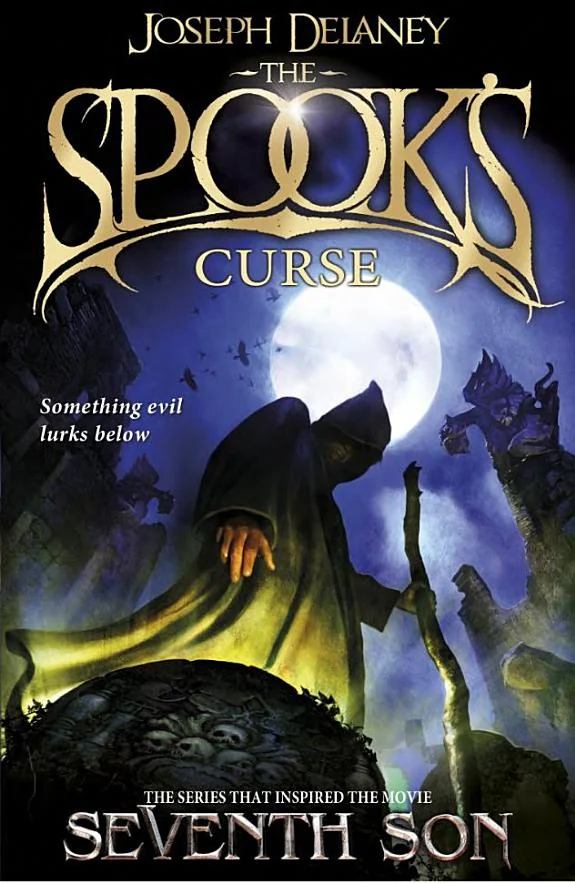
Emperor Mage (Immortals #3)

 76
76

Emperor Mage (Immortals #3)
Tamora Pierce’s Emperor Mage, while a solid entry in the Immortals series, sometimes feels constrained by its own established formula. Daja’s journey toward mastering her formidable magic is compelling, particularly the depiction of her internal struggle against her own power, which is a genuine strength. However, the narrative occasionally sacrifices pacing for extensive world-building exposition that, while detailed, can slow the momentum. A particularly memorable sequence involves Daja’s careful examination of ancient magical texts, a scene that vividly illustrates her dedication and the intellectual rigor required for her path. Despite the occasional narrative lull, the book ultimately delivers a satisfying arc for its protagonist, reinforcing the series’ core themes. It remains a worthwhile read for dedicated fans.
📝 Description
76
### What It Is Emperor Mage, the third installment in Tamora Pierce's Immortals series, originally published in 2018, follows the young mage Daja and her companions as they navigate political intrigue and magical trials. The narrative centers on Daja's development as a mage and her struggle to control the volatile magic inherent in her lineage. The book expands the established world with new challenges and deeper explorations of its magical systems, particularly focusing on the balance between innate power and learned control.
### Who It's For This volume is designed for readers invested in the Immortals series, particularly those who appreciate character-driven fantasy with a strong focus on magical education and ethical dilemmas. It will appeal to young adults and adults interested in themes of responsibility, self-discovery, and the consequences of power. Fans of intricate world-building and complex, evolving characters will find much to engage with.
### Historical Context Published in 2018, Emperor Mage emerged during a period of continued growth and diversification in young adult fantasy literature. While not directly engaging with a specific historical esoteric movement, Pierce’s work builds upon established fantasy tropes concerning magic systems and power, which have roots in earlier mythologies and philosophical ideas about innate versus learned abilities. The series' continued popularity reflects a sustained audience interest in fantasy narratives that explore character arcs alongside magical progression.
### Key Concepts The novel delves into concepts of inherited magical aptitude versus cultivated skill, the nature of fear in relation to power, and the ethical considerations of wielding significant magical ability. It examines how societal expectations and personal trauma can influence the manifestation and control of magic. The work also touches upon the formation of chosen families and the strength derived from loyal companionships in the face of adversity and personal doubt.
💡 Why Read This Book?
• Learn about the intricate process of magical cultivation, as Daja meticulously studies ancient texts and practices to control her innate abilities, mirroring real-world dedication to mastery. • Experience the challenges of self-control and responsibility, particularly how Daja grapples with her volatile magic and its potential for destruction, offering lessons in managing personal power. • Understand the dynamics of found family and loyalty, as Daja relies on her companions, including the unwavering support of her mentors, to navigate perilous situations and personal doubts.
⭐ Reader Reviews
Honest opinions from readers who have explored this book.
❓ Frequently Asked Questions
What is the primary magical conflict Daja faces in Emperor Mage?
Daja's main struggle is controlling her immense, volatile magic, which is tied to her lineage and has a destructive potential she fears. This internal battle is central to her character development throughout the book.
When was Emperor Mage (Immortals #3) first published?
Emperor Mage was first published in 2018, making it a relatively recent addition to Tamora Pierce's extensive bibliography.
Who are Daja's main companions in this book?
Daja is primarily accompanied by her mentor, the mage Lonis, and her close friends and fellow students, who provide her with support and a sense of normalcy amidst her magical trials.
Does Emperor Mage require reading the previous books in the Immortals series?
Yes, it is highly recommended. Emperor Mage continues the narrative arc of Daja and her relationships, building upon events and character development established in the preceding books of the Immortals series.
What kind of magical system does Tamora Pierce explore in Emperor Mage?
The series features a system where magic is often innate and tied to specific bloodlines or talents, requiring rigorous study and control to wield effectively and ethically. Daja's magic is particularly potent and dangerous.
Are there any specific themes of leadership explored in Emperor Mage?
Yes, the book touches upon leadership through Daja's journey as she grows in confidence and begins to understand the responsibilities that come with her power and potential future influence.
🔮 Key Themes & Symbolism
Mastery of Innate Power
The core of Emperor Mage revolves around Daja's quest to master her formidable, innate magical abilities. Unlike learned magic, her power is volatile and deeply connected to her emotions and lineage, presenting a constant internal struggle. This theme explores the idea that power, especially great power, requires not just understanding but rigorous discipline and self-awareness to wield responsibly. The narrative emphasizes that true mastery comes from within, through dedicated practice and confronting one's own fears and limitations, rather than simply acquiring knowledge.
Consequences of Fear
Fear is a potent force within Emperor Mage, often acting as a barrier to Daja's magical development and personal growth. Her fear of her own power and the potential harm it could cause frequently paralyzes her or leads to unpredictable magical outbursts. The book illustrates how unchecked fear can amplify destructive tendencies, while confronting and understanding it can lead to control and self-acceptance. This exploration highlights the psychological aspect of magic, suggesting that inner turmoil directly impacts external capabilities.
The Strength of Companionship
Daja does not face her daunting magical challenges alone. The narrative strongly emphasizes the importance of her chosen family and loyal companions, including her mentor Lonis. These relationships provide crucial emotional support, offer different perspectives, and act as anchors during Daja's most turbulent moments. The book demonstrates that even individuals with immense personal power rely on a network of trust and support to navigate difficult paths and overcome adversity, underscoring the idea that collective strength can fortify individual resolve.
Ethical Power Dynamics
Emperor Mage probes the ethical considerations inherent in wielding significant magical power. Daja constantly questions the morality of her actions and the potential impact of her abilities on others. The book presents scenarios that force her to make difficult choices, weighing the benefits of using her magic against the risks and responsibilities involved. This theme encourages readers to consider the accountability that accompanies power, advocating for a conscious and morally grounded approach to its application.
💬 Memorable Quotes
“Magic was a wild thing, and wild things needed to be understood, not tamed.”
— This statement captures the central tension for Daja: her struggle with her inherently powerful magic. It suggests that true control comes from deep understanding and respect for the nature of power, rather than forceful suppression.
“Her fear was a cage, locking away the very strength she needed.”
— This highlights the psychological barrier Daja faces. Her apprehension about her own abilities prevents her from accessing or controlling them effectively, illustrating how internal states directly influence external capabilities.
“A true mage did not fear the power, but respected its potential.”
— This paraphrase emphasizes the ideal of responsible magic use. It contrasts fear with respect, suggesting that a mature mage understands the gravity of their abilities and approaches them with a sense of duty.
“Loneliness was a heavier burden than any spell.”
— This interpretation speaks to the emotional toll of Daja's journey. It suggests that the isolation that can accompany great power or unique circumstances is a significant hardship, more so than the magical challenges themselves.
“The path to mastery was paved with both mistakes and perseverance.”
— This concept underscores the iterative nature of learning and growth. It acknowledges that failure is an integral part of the process toward achieving any significant skill, especially in complex disciplines like magic.
🌙 Esoteric Significance
Tradition
Emperor Mage draws upon archetypal themes found across various esoteric traditions, particularly those concerning the development of the 'inner master' or adept. While not explicitly aligned with a single lineage like Hermeticism or Gnosticism, the narrative explores the universal concept of mastering one's internal forces to achieve external control. It echoes the alchemical idea of transmuting base elements (fear, uncontrolled power) into gold (mastery, wisdom) and the magical principle that true power stems from self-knowledge and discipline.
Symbolism
The primary symbol is Daja's untamed magic itself, representing the raw, unmanifested potential that requires conscious effort and understanding to shape. The recurring motif of magical texts and ancient lore symbolizes the importance of accumulated knowledge and tradition in guiding individual power. Another subtle symbol is the 'found family' Daja forms, representing the esoteric principle that community and shared purpose are vital for the growth and protection of individuals on a difficult path.
Modern Relevance
Contemporary spiritual and self-help literature frequently echoes Emperor Mage's themes of self-mastery and responsible power. Thinkers in fields like positive psychology and mindfulness often discuss managing one's internal states (emotions, thoughts) to influence external reality, a concept central to Daja's magical journey. Practices focused on emotional intelligence and ethical leadership also draw on similar principles of understanding and directing one's inherent capacities for constructive ends.
👥 Who Should Read This Book
• Young adult fantasy readers seeking character-driven narratives with robust magic systems, particularly those who enjoy stories about personal growth and overcoming internal obstacles. • Aspiring writers and students of narrative structure interested in observing how an author develops a long-running character arc and maintains world consistency across multiple books. • Fans of Tamora Pierce’s previous works, who will find Emperor Mage a familiar yet progressive continuation of the Immortals series, deepening established themes and character relationships.
📜 Historical Context
Published in 2018, Emperor Mage arrived amidst a flourishing period for young adult fantasy, a genre that had seen significant global expansion since the early 2000s. Tamora Pierce’s work, while not directly tied to a specific esoteric philosophical movement of the past, taps into enduring archetypes of the gifted individual struggling with immense power. Contemporary fantasy authors like Sarah J. Maas and Leigh Bardugo were also exploring complex magic systems and female protagonists, though often with different narrative tones and thematic focuses. Pierce’s series, initiated in the late 20th century, continued to resonate with readers who appreciate character development grounded in relatable struggles, even within fantastical settings. The reception of Pierce's work generally highlights its appeal to younger readers, with critics often noting her consistent ability to craft engaging narratives with strong, relatable heroines who face moral and magical challenges.
📔 Journal Prompts
Daja's volatile magic and the fear it engenders.
The mentor-student dynamic between Daja and Lonis.
The balance between innate talent and learned skill in your own pursuits.
The role of loyal companionship in overcoming personal challenges.
Ethical considerations when wielding personal influence or ability.
🗂️ Glossary
Mage
An individual possessing significant magical abilities, often requiring extensive training and control to wield effectively. In the Immortals series, mages vary in power and specialization.
Innate Magic
Magical power that is inherent to an individual, often tied to their bloodline or a natural predisposition, as opposed to magic acquired through study alone.
Lonis
A prominent and respected mage who serves as a mentor to Daja, guiding her in understanding and controlling her powerful, often volatile, magic.
Lineage
Refers to an individual's ancestry and the magical potential or characteristics that may be inherited from their family history.
Self-Mastery
The state of having control over one's own impulses, emotions, and actions, particularly relevant to Daja's struggle with her potent magical abilities.
Found Family
A group of individuals who are not related by blood but form strong, supportive bonds, often becoming as important or more important than biological family.
Magical Volatility
The tendency for magical power to be unstable, unpredictable, and difficult to control, often leading to unintended or dangerous consequences.