Dark Flame

 71
71

Dark Flame
Noël’s *Dark Flame* continues Daire Santos’s journey with a palpable sense of urgency, particularly as it delves into her burgeoning elemental powers. The depiction of Daire’s struggle to control her abilities, especially the titular dark flame, is a narrative strength, making her internal conflict tangible. However, the pacing occasionally falters under the weight of romantic entanglements that, while central to the plot, sometimes overshadow the more compelling supernatural elements. A passage where Daire confronts the shadow creatures in her ancestral home effectively showcases the book's blend of personal stakes and fantastical threat. While the world-building is expanded, the reliance on familiar paranormal tropes can make certain plot developments feel predictable. Ultimately, *Dark Flame* delivers a serviceable, if not entirely novel, continuation of Daire's mystical education.
📝 Description
71
### What It Is
Alyson Noël's *Dark Flame*, published in 2010, is the third installment in her *Immortals* series. This young adult paranormal novel centers on Daire Santos, a young woman discovering her latent abilities and her connection to a hidden world of supernatural beings. The narrative explores themes of destiny, self-discovery, and the struggle between light and shadow.
### Who It's For
This book is primarily aimed at young adults and fans of the paranormal romance genre. Readers who enjoy stories about discovering hidden powers, navigating complex relationships with supernatural entities, and facing down ancient evils will find *Dark Flame* engaging. It appeals to those interested in fantasy elements woven into contemporary settings, with a focus on a strong female protagonist.
### Historical Context
Released in 2010, *Dark Flame* emerged during a peak period for the young adult paranormal genre, heavily influenced by the success of series like *Twilight* and *The Vampire Diaries*. The early 2010s saw a surge in books exploring supernatural elements, often with romantic subplots and coming-of-age narratives. Noël's work fits within this trend, offering a unique take on elemental magic and immortal beings.
### Key Concepts
The novel introduces and develops several key concepts central to its mythology. These include the inherent elemental powers possessed by certain individuals, the existence of a hidden realm populated by immortals and other supernatural entities, and the concept of soulmates or destined connections. The narrative also touches upon the idea of a cyclical struggle between forces of light and darkness, with characters finding themselves on different sides of this eternal conflict.
💡 Why Read This Book?
• Gain insight into the symbolic representation of elemental magic, specifically the 'dark flame' concept, offering a unique lens on internal power struggles. • Experience the narrative arc of Daire Santos as she grapples with her destiny, providing a relatable exploration of self-acceptance within a supernatural context. • Understand the series' place within the early 2010s paranormal fiction boom, seeing how Noël contributed to and diverged from prevailing genre trends.
⭐ Reader Reviews
Honest opinions from readers who have explored this book.
❓ Frequently Asked Questions
What are the main supernatural abilities explored in Dark Flame?
The primary ability is elemental magic, particularly Daire Santos's connection to the 'dark flame,' representing a potent, sometimes destructive, internal power. Other characters exhibit different elemental affinities and supernatural traits.
Is Dark Flame a standalone novel or part of a series?
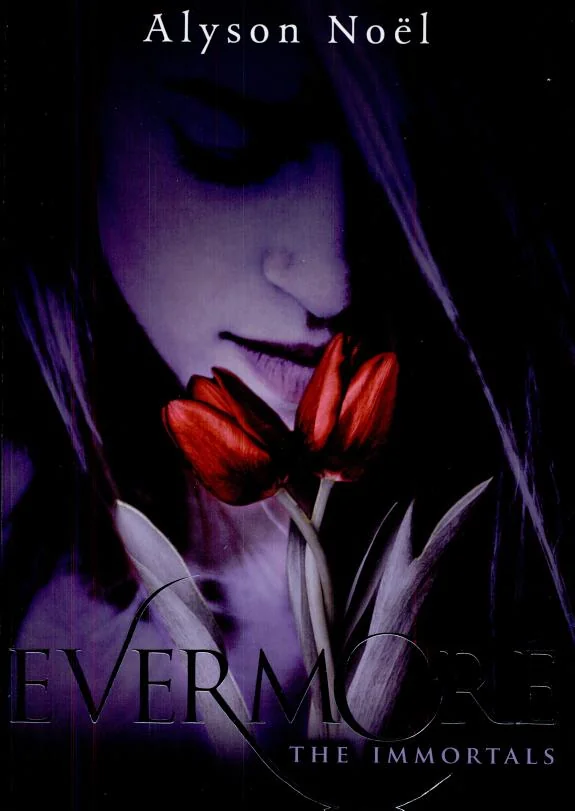
Dark Flame is the third book in Alyson Noël's *Immortals* series, following *Evermore* and *Blue Moon*. It continues the story of Daire Santos and her supernatural journey.
What is the significance of the 'dark flame' concept?
The 'dark flame' symbolizes Daire's potent, often uncontrollable, inner power. It represents her struggle with her darker impulses and her destiny, a central conflict throughout the novel.
Who are the primary antagonists in Dark Flame?
The antagonists include various supernatural entities and shadow creatures that seek to exploit or control Daire's powers. The narrative also features internal conflict and challenges from characters with opposing agendas.
When was Dark Flame originally published?
Dark Flame was first published in 2010 by Alyson Noël, continuing the popular *Immortals* series.
Does Dark Flame have a strong romantic element?
Yes, like much of the *Immortals* series, Dark Flame features significant romantic subplots and relationship dynamics as a key part of Daire's personal development and the overall narrative.
🔮 Key Themes & Symbolism
Elemental Mastery
The core of *Dark Flame* revolves around Daire Santos's struggle with her elemental powers, specifically the 'dark flame.' This isn't just about wielding fire; it’s about confronting and integrating the darker, more volatile aspects of her own nature. The book explores how these powers manifest, the dangers they pose, and the arduous process of learning control, which is crucial for survival in the hidden supernatural world she inhabits. This theme positions the novel within broader discussions of self-control and the integration of shadow aspects in esoteric thought.
Destiny and Choice
Daire finds herself bound by prophecy and the expectations of the immortal world, yet she constantly grapples with her own agency. The narrative questions whether her path is predetermined or if she can forge her own destiny. This conflict between fate and free will is a classic esoteric trope, explored here through the lens of a young protagonist facing immense pressure. The choices she makes, often under duress, highlight the personal responsibility that comes with extraordinary power and lineage.
The Shadow Self
The concept of the 'dark flame' directly relates to the shadow self—the hidden, often repressed, aspects of an individual's psyche. *Dark Flame* personifies this through literal shadow creatures and Daire's own internal battle. The novel suggests that true power comes not from denying the shadow, but from understanding and integrating it. This aligns with Jungian psychology and various esoteric traditions that emphasize the importance of confronting one's inner darkness to achieve wholeness.
Hidden Worlds and Immortality
The existence of a secret world of immortals coexisting with the human realm is central to the *Immortals* series. *Dark Flame* expands on this, detailing the societies, hierarchies, and conflicts within the immortal community. The allure and burden of immortality are explored, contrasting the eternal existence of beings like Damen with the fleeting life of mortals. This theme taps into perennial human fascination with eternal life and the hidden realities that might lie just beyond our perception.
💬 Memorable Quotes
“The dark flame within her was a force she had to master, not suppress.”
— This paraphrased concept highlights Daire's central conflict: her innate, powerful, and potentially destructive 'dark flame' energy. It suggests that true mastery comes from understanding and integration, rather than denial, a common theme in esoteric self-development.
“Immortals carried the weight of centuries, a burden Daire was only beginning to comprehend.”
— This interpretation points to the vast difference in experience and perspective between mortals and immortals. It emphasizes the immense historical and emotional baggage that comes with eternal life, a concept explored through characters like Damen.
“Her destiny was written, but the path to it was hers to choose.”
— This paraphrased idea encapsulates the tension between fate and free will. Daire's journey involves confronting a predetermined path while asserting her own agency in how she navigates it, a critical element in her character development.
“Shadow creatures fed on fear, and Daire's power was their greatest temptation.”
— This highlights the adversarial forces in the novel and their connection to Daire's unique abilities. It frames her internal struggles as directly impacting the external supernatural conflict, where fear is a tangible weakness.
“Love and power were intertwined, dangerous forces that could save or destroy.”
— This interpretation suggests that the novel explores the potent, dual nature of both affection and strength. It implies that these elements are not always separate and can have extreme consequences, depending on how they are wielded.
🌙 Esoteric Significance
Tradition
While not strictly adhering to a single esoteric lineage, *Dark Flame* draws heavily from universal archetypes found across various traditions, including Hermeticism (elemental correspondences), Gnosticism (inner light/darkness conflict), and modern Western occultism (hidden realms, psychic powers). It adapts these concepts for a YA audience, emphasizing personal empowerment and the integration of one's 'shadow self,' a concept popularized by Carl Jung, whose work influenced much of 20th-century occult thought.
Symbolism
The 'dark flame' is a central symbol, representing volatile, internal power and the integration of the shadow. Elemental symbolism is prevalent, with characters often associated with specific elements (fire, water, earth, air), reflecting ancient correspondences. Shadow creatures symbolize external manifestations of internal fears and negative energies, common motifs in psychological and spiritual literature aimed at confronting negativity.
Modern Relevance
Works like *Dark Flame* continue to influence contemporary YA fiction by popularizing the integration of esoteric concepts into mainstream narratives. Modern readers drawn to themes of self-discovery, hidden powers, and the battle between inner light and darkness find resonance here. The book's approach to archetypal struggles and the empowerment of female protagonists aligns with contemporary discussions in spiritual and psychological self-help, making its themes accessible to a broad audience interested in personal growth.
👥 Who Should Read This Book
• Young adult readers captivated by paranormal romance and fantasy, seeking stories with relatable protagonists discovering extraordinary abilities. • Fans of the *Immortals* series looking to continue Daire Santos's saga and explore the deepening mythology of immortals and elemental magic. • Individuals interested in accessible introductions to concepts like elemental correspondences, the shadow self, and the interplay of destiny versus free will within a narrative framework.
📜 Historical Context
Published in 2010, Alyson Noël's *Dark Flame* arrived during a period when the young adult paranormal genre was at its zenith, heavily influenced by the cultural phenomenon of Stephenie Meyer's *Twilight* series. The early 2010s saw a proliferation of novels featuring vampires, werewolves, witches, and other supernatural beings, often centered around romantic relationships and coming-of-age narratives. Noël's *Immortals* series, including *Dark Flame*, tapped into this market by blending elemental magic, ancient curses, and immortal beings with a contemporary teenage protagonist. While authors like Cassandra Clare were also exploring complex supernatural mythologies with series like *The Mortal Instruments*, Noël's work focused more intensely on the internal struggles and romantic entanglements of her protagonist, Daire Santos. The reception was largely positive within its target demographic, contributing to the ongoing trend of supernatural-themed YA fiction.
📔 Journal Prompts
The manifestation of Daire's dark flame and its control.
Reflect on the concept of destiny versus choice in your own life, inspired by Daire's journey.
Analyze the symbolism of shadow creatures in relation to personal fears.
Consider the burdens and advantages of immortality as depicted in the novel.
Explore the connection between love and power as presented through the characters' relationships.
🗂️ Glossary
Dark Flame
A potent, often volatile, internal power possessed by Daire Santos, symbolizing her connection to darker energies and her struggle for self-control and integration.
Immortals
Supernatural beings who possess eternal life, often with unique abilities and a complex society existing alongside the human world.
Elemental Magic
The ability to manipulate and control the classical elements (fire, water, earth, air) or other natural forces, a power system central to the series.
Shadow Creatures
Entities that manifest from darkness and negative energy, often acting as antagonists who prey on fear and seek to exploit the powers of others.
Destiny
The predetermined course of events that characters, particularly Daire, are believed to be bound to, contrasting with their own free will and choices.
Soulmate
A concept explored in the series, referring to a deeply connected individual, often destined to be with another, implying a profound spiritual or fated bond.
Damen
A key immortal character in the series, often portrayed as Daire's destined love interest, possessing immense power and a long, complex history.