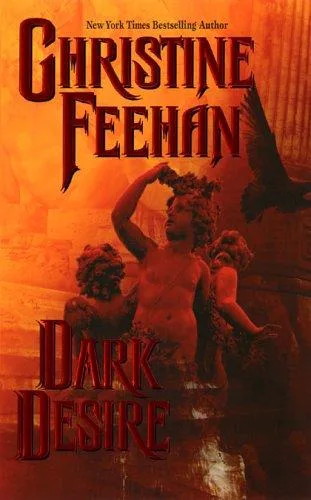
Dark Desire
 83
83

Dark Desire
Christine Feehan’s *Dark Desire* presents an archetypal paranormal romance premise: the intense, often dangerous, connection between a human protagonist and an ancient vampire. The novel’s strength lies in its depiction of raw, primal attraction, where the vampire's predatory nature is juxtaposed with a fierce protectiveness. The initial chapters effectively build suspense and establish the power imbalance that fuels the central relationship. However, the plot occasionally falters under the weight of its own conventions, with certain narrative turns feeling predictable. The specific conflict surrounding the vampire's ancient lineage and the human's unexpected role within it, while intended to be compelling, sometimes strains credulity. Feehan’s prose excels at conveying visceral sensations and intense emotions, but could benefit from more nuanced character development beyond the core romantic dynamic. Ultimately, *Dark Desire* delivers a potent, if familiar, exploration of dark romance.
📝 Description
83
### What It Is Christine Feehan's *Dark Desire*, first published in 1999, is a paranormal romance novel that delves into the intense relationship between a human woman and a powerful, ancient vampire. The narrative explores themes of forbidden love, predator-prey dynamics, and the struggle for control within a supernatural context. It establishes a world where ancient beings possess heightened senses and formidable powers, often operating outside human comprehension.
### Who It's For This novel is primarily suited for adult readers of paranormal romance who enjoy dark, intense romantic relationships with supernatural elements. It will appeal to those interested in character-driven stories where protagonists face significant internal and external conflicts. Readers who appreciate gothic undertones and a focus on possessive, powerful male leads will find much to engage with.
### Historical Context Published in 1999, *Dark Desire* emerged during a period of resurgence for paranormal romance. The genre was solidifying its tropes, influenced by earlier works and the burgeoning internet fan communities. Feehan's work contributed to the landscape alongside authors like Laurell K. Hamilton and Anne Rice, each exploring different facets of vampire lore and romantic entanglement with the undead. The late 90s saw a growing appetite for darker, more sensual takes on supernatural beings in fiction.
### Key Concepts The book centers on the concept of the "Dark-Haired Vampire," a specific type of ancient, powerful vampire with unique characteristics and a deep connection to their chosen human. This concept involves a primal, almost telepathic bond, blurring the lines between captor and protector, desire and danger. The narrative also explores the idea of ancient curses and the burden of immortality, framing vampiric existence as both a privilege and a profound isolation.
💡 Why Read This Book?
• Gain insight into the development of paranormal romance tropes in the late 1990s, specifically how authors like Feehan began shaping the 'ancient vampire' archetype. • Experience Feehan's signature style of intense, possessive romance, particularly evident in the dynamic between the human protagonist and the vampire described as having 'ancient power'. • Explore the concept of a primal, almost telepathic bond between species, a recurring motif in the book that challenges conventional notions of love and control.
⭐ Reader Reviews
Honest opinions from readers who have explored this book.
❓ Frequently Asked Questions
When was Christine Feehan's Dark Desire first published?
Christine Feehan's *Dark Desire* was first published in 1999, positioning it within the late 1990s boom of paranormal romance literature.
What is the primary supernatural element in Dark Desire?
The primary supernatural element in *Dark Desire* is the presence of ancient, powerful vampires who possess heightened senses and engage in intense, often possessive, romantic relationships with humans.
Does Dark Desire feature a love triangle?
While the focus is on the central romance between the human protagonist and the vampire, the narrative may introduce elements that create romantic tension or explore other potential connections, common in the genre.
What kind of relationship dynamic does Dark Desire explore?
*Dark Desire* explores a dark romance dynamic, characterized by a significant power imbalance, primal attraction, and themes of control and protection between a human and a vampire.
Is Dark Desire part of a series?
Yes, *Dark Desire* is part of Christine Feehan's 'Dark' series, which features interconnected stories within the same paranormal world, focusing on different vampire characters.
What is the tone of Dark Desire?
The tone of *Dark Desire* is generally dark, intense, and sensual, with gothic undertones and a strong emphasis on the passionate, often dangerous, romantic connection between its main characters.
🔮 Key Themes & Symbolism
Primal Attraction
The novel emphasizes a raw, instinctual attraction that transcends logic and societal norms. This primal connection between the human protagonist and the ancient vampire is depicted as an irresistible force, driven by ancient instincts and biological imperatives. It’s a core element that defines their intense relationship, often overriding personal safety and rational decision-making. The narrative explores how this powerful magnetism can be both dangerous and ultimately binding, a central pillar of the dark romance genre Feehan cultivates.
Ancient Vampire Lore
Feehan builds a specific mythology around her vampires, presenting them as ancient beings with unique powers, heightened senses, and a distinct hierarchy. These are not merely supernatural creatures but entities with long histories, often burdened by immortality and isolation. The 'Dark-Haired Vampire' archetype, central to *Dark Desire*, is characterized by immense power and a territorial protectiveness over their chosen human. This lore provides the framework for the supernatural conflict and the unique romantic dynamics explored in the book.
Control and Protection
A significant theme is the intricate dance between control and protection. The vampire, by nature of his power and ancient status, exerts a strong form of control over the human protagonist, often stemming from a possessive instinct to shield her from perceived threats, including himself. This dynamic explores the fine line between dominance and guardianship, where the vampire’s desire to protect often manifests as an assertion of authority. The human’s journey involves navigating this intense protectiveness and finding her own agency within the relationship.
Forbidden Desire
The very nature of the relationship between a human and an ancient vampire inherently embodies forbidden desire. This theme is amplified by the inherent dangers associated with vampiric nature – the potential for violence, the predator-prey dynamic, and the vast difference in lifespans and existence. The narrative thrives on this forbidden aspect, highlighting the intense passion that can ignite when boundaries are crossed and societal or natural laws are defied for the sake of love and desire.
💬 Memorable Quotes
“His need for her was a physical ache, a hunger that had lain dormant for centuries.”
— This quote encapsulates the profound, almost biological longing the ancient vampire experiences for the human protagonist. It suggests a connection far deeper than mere infatuation, hinting at a primal need that has defined his existence for ages.
“She was his anchor in a world that had long forgotten the meaning of belonging.”
— This highlights the human's role as a grounding force for the immortal vampire. It speaks to his isolation and the profound impact her presence has on his existence, offering him a sense of purpose and connection.
“He was darkness, and she was the spark that threatened to consume him.”
— This imagery conveys the intense duality of their relationship: his inherent predatory nature versus her vibrant life force. It suggests a dangerous attraction where their opposing natures create a volatile, passionate dynamic.
“Centuries of solitude had honed his senses, but never prepared him for the assault of her scent.”
— This emphasizes the heightened, almost overwhelming sensory experience the vampire has, particularly concerning the human. It illustrates how her very presence affects him on a primal level, bypassing his immense experience and ancient wisdom.
“Her fear was a tangible thing, yet it only sharpened his desire.”
— This directly addresses the dark romance element, where the vampire's predatory instincts are heightened, not deterred, by the human's fear. It underscores the complex, and potentially disturbing, nature of their attraction.
🌙 Esoteric Significance
Tradition
While *Dark Desire* is primarily a work of paranormal romance, its exploration of ancient beings, primal instincts, and unique bloodlines touches upon themes resonant with certain occult traditions. It departs from strict adherence to any single lineage like Hermeticism or Gnosticism, instead drawing a broader, more modern esoteric sensibility focused on inherent power, psychic connection, and the blurring of life and death. The concept of ancient vampires with unique abilities can be seen as a secularized interpretation of immortal entities often found in various magical cosmologies.
Symbolism
The vampire itself functions as a potent symbol, representing immortality, forbidden desire, and the primal predator within. Their heightened senses symbolize an awareness beyond the mundane, a connection to deeper energies. The human protagonist often represents purity, light, or a unique life force that acts as both a lure and a potential salvation for the ancient being. The concept of the 'Dark-Haired Vampire' can be seen as a specific archetype embodying ancient power and possessive guardianship.
Modern Relevance
Contemporary paranormal romance and urban fantasy authors continue to draw inspiration from the archetypes and relationship dynamics established in works like *Dark Desire*. The exploration of intense, often dangerous, connections between humans and powerful supernatural beings remains a staple. Modern practitioners of certain romantic occult or witchy practices might find thematic parallels in the exploration of primal bonds, possessive energies, and the allure of the forbidden, albeit interpreted through a contemporary lens rather than a historical esoteric one.
👥 Who Should Read This Book
• Fans of dark paranormal romance seeking intense, possessive relationships between humans and ancient vampires. • Readers interested in character-driven supernatural fiction exploring themes of primal attraction and control. • Enthusiasts of Christine Feehan's 'Dark' series who wish to explore the foundational elements of her vampire lore.
📜 Historical Context
Published in 1999, *Dark Desire* emerged during a fertile period for paranormal romance, a genre gaining significant traction. Authors like Anne Rice had already laid groundwork exploring vampire sensuality and psychology. Feehan’s contribution solidified the trope of the powerful, ancient vampire finding an intense, possessive connection with a human woman. This era saw a growing interest in darker, more complex romantic relationships involving supernatural beings, moving beyond earlier, more gothic interpretations. The late 1990s also witnessed the rise of online communities where fans actively discussed and promoted genre fiction, contributing to its popularity. While not facing overt censorship, the genre’s exploration of mature themes and supernatural relationships marked a distinct evolution in popular fiction, catering to an audience seeking escapism with a darker, more intense edge.
📔 Journal Prompts
The vampire's ancient power and its manifestation.
The human's reaction to the vampire's possessive nature.
Reflect on the concept of primal attraction described.
The symbolism of the vampire as a predator and protector.
Analyze the balance of control and desire in the central relationship.
🗂️ Glossary
Ancient Vampire
An extremely old and powerful vampire, often possessing unique abilities, heightened senses, and a profound sense of isolation or burden due to their long existence.
Primal Attraction
An intense, instinctual, and often irresistible pull between two individuals, driven by deep-seated biological or supernatural urges rather than purely emotional or intellectual connection.
Dark-Haired Vampire
A specific classification within Feehan's 'Dark' series, referring to a type of ancient vampire with distinct characteristics, often associated with immense power and a possessive nature.
Heightened Senses
The supernatural ability of vampires to perceive the world through sight, sound, smell, and touch at a level far exceeding human capacity, often used to track or sense prey/loved ones.
Possessiveness
An intense desire to own, control, and protect another, often stemming from deep-seated insecurity or a powerful, instinctual bond, particularly evident in the vampire-human dynamic.
Immortality
The state of living forever, a key characteristic of vampires that contributes to their potential for great wisdom, profound loneliness, and a different perspective on life and relationships.
Predator-Prey Dynamic
The inherent relationship between a vampire and a human, where the vampire is the natural hunter and the human the potential victim, a tension often played out romantically in the narrative.