Bunny

 72
72

Bunny
Mona Awad's *Bunny* presents a disquieting descent into the world of a New England MFA program, where the pursuit of art breeds a peculiar, dangerous fellowship. The novel’s strength lies in its audacious commitment to the surreal, crafting an atmosphere so thick with unease that the reader questions their own perception alongside the protagonist, Samantha. Awad masterfully builds dread through the peculiar rituals of the "Bunny" clique, their shared artistic endeavors morphing into something far more sinister than mere academic collaboration. However, the deliberate ambiguity, while central to the book's effect, occasionally borders on frustrating opacity. A passage describing the students’ shared artistic “performance” near the end, wherein reality seems to fracture entirely, exemplifies both the novel’s power and its potential pitfalls for readers seeking concrete resolution. Despite this, *Bunny* is a singular, unsettling exploration of creativity and conformity.
📝 Description
72
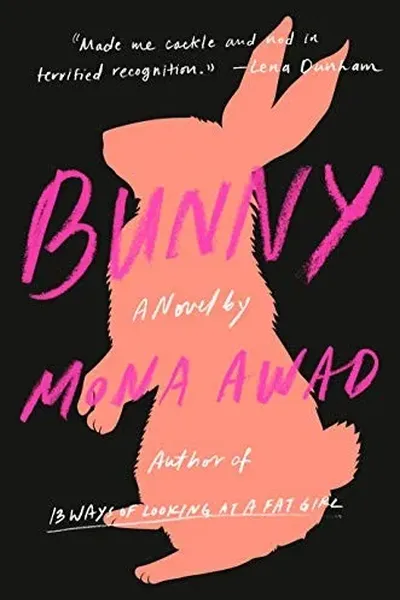
Mona Awad's 2025 novel *Bunny* follows a graduate student into a strange clique.
Samantha, a creative writing student at a New England university, finds herself increasingly entangled with a peculiar group of peers known as the "Bunny" clique. Their shared artistic obsessions lead them into bizarre rituals that blur the lines between reality and delusion. The novel tracks Samantha's descent into this unsettling world, questioning the nature of artistic inspiration and the dynamics of female friendships within academic confines.
The narrative thrives on ambiguity, leaving the reader to question what is real and what is imagined. Awad crafts an atmosphere of mounting unease, examining how artistic ambition can curdle into something toxic. The book dissects the pressures of graduate school and the strange bonds that can form in intensely focused environments, all under a veneer of surreal horror.
Published in 2025, *Bunny* engages with contemporary anxieties around authenticity and artistic creation. Its thematic resonance echoes aspects of feminist horror and the surrealist tradition, particularly its fascination with the subconscious and dream logic. The novel dissects the potential for shared delusion within insular communities and the dark side of artistic inspiration.
💡 Why Read This Book?
• Gain insight into the unsettling dynamics of exclusive creative circles, as seen in the "Bunny" clique's rituals, offering a unique perspective on group psychology within academic settings. • Experience a narrative that blurs the lines of reality and hallucination, challenging your perception of artistic inspiration and its potential dark manifestations. • Explore themes of female friendship and rivalry through a surreal, almost gothic lens, distinct from conventional portrayals of interpersonal relationships in literature.
⭐ Reader Reviews
Honest opinions from readers who have explored this book.
❓ Frequently Asked Questions
What is the central premise of Mona Awad's novel Bunny?
Bunny follows Samantha, a graduate student who becomes entangled with a mysterious clique of her peers known as the "Bunny" group, whose shared artistic projects take on increasingly bizarre and disturbing characteristics.
What genre does Bunny fit into?
The novel defies easy categorization, blending elements of literary fiction, psychological horror, dark fantasy, and surrealism. It's known for its unsettling atmosphere and genre-bending approach.
Who are the 'Bunny' girls in the book?
The 'Bunny' girls are a group of Samantha's fellow MFA students who share a peculiar artistic bond and engage in increasingly strange, almost ritualistic, creative activities that blur the line between art and obsession.
What are the main themes explored in Bunny?
Key themes include the dark side of artistic ambition, the complexities and toxicity of female friendships, academic pressures, the nature of reality versus hallucination, and the allure of belonging.
Is Bunny based on any real-life events or people?
While Mona Awad draws on her own experiences in MFA programs for atmosphere and thematic inspiration, Bunny is a work of fiction and not a direct retelling of real-life events or specific individuals.
What is the significance of the name 'Bunny' in the novel?
The name 'Bunny' refers to the insular clique of students. Its specific connotations within the narrative evolve, becoming associated with their shared artistic identity and increasingly unsettling practices.
🔮 Key Themes & Symbolism
Artistic Obsession and Corruption
The novel scrutinizes the destructive potential of artistic ambition when it consumes individuals. The "Bunny" clique’s shared creative projects, initially perceived as avant-garde, devolve into disturbing rituals that hint at a profound corruption of their artistic souls. This theme questions the very source of inspiration, suggesting it can lead to a loss of self and moral compromise within the insular world of creative writing programs.
Toxic Female Friendships and Exclusion
Bunny offers a chilling portrayal of female relationships within a competitive academic environment. Samantha’s outsider status and her reluctant fascination with the "Bunny" girls highlight themes of exclusion and the dangerous allure of belonging to an elite, enigmatic group. The narrative explores how these dynamics can foster unhealthy dependencies and veiled hostility, masked by shared artistic pursuits.
The Unreliable Nature of Reality
A core element of the novel is its persistent blurring of the lines between what is real and what is imagined or hallucinatory. Through Samantha's increasingly disoriented perspective, Awad challenges the reader's perception, creating an atmosphere of pervasive unease. This theme probes the subjective experience of reality, particularly under the pressures of academic life and intense artistic immersion.
The Grotesque in Academia
The novel transforms the seemingly mundane setting of a creative writing MFA program into a site of the grotesque and the uncanny. The "Bunny" clique's rituals and the surreal occurrences within the university walls present a dark, distorted reflection of intellectual and artistic pursuits, suggesting that hidden horrors can fester even in environments dedicated to refined expression.
💬 Memorable Quotes
Direct passages from the work, attributed to the author.
“The girls in the Bunny class looked like they were all made of the same material.”
— This observation highlights the unsettling homogeneity and manufactured quality of the "Bunny" clique, suggesting a loss of individuality and a potentially artificial, almost cult-like, unity among them.
“I felt like I was watching a movie, but I was in it.”
— This sentiment captures the protagonist's disassociation and the surreal nature of her experiences, indicating a feeling of being both an observer and a participant in events that defy normal comprehension.
“The air in the room was thick with a kind of electric, unspoken understanding.”
— This describes the intense, almost palpable, atmosphere among the "Bunny" clique, conveying a sense of shared, unspoken knowledge or purpose that isolates them from outsiders.
“Art was their religion, and they were its most fervent disciples.”
— This interpretation emphasizes the extreme devotion and quasi-religious fervor the "Bunny" students exhibit towards their artistic endeavors, suggesting an unhealthy level of fanaticism.
💡 Key Ideas
Editorial paraphrase of the work's core concepts — not direct quotes.
Their stories were all about women who were too much, or not enough.
This paraphrase points to the thematic exploration of female archetypes and societal expectations within the narratives produced by the "Bunny" students, suggesting a critique of how women are often portrayed or perceived.
🌙 Esoteric Significance
Tradition
While *Bunny* does not overtly align with a single esoteric tradition, its exploration of altered states of consciousness, shared delusion, and the pursuit of hidden knowledge through ritualistic practice touches upon themes found in Gnosticism and Hermeticism. The novel's depiction of an inner circle with esoteric beliefs and practices, attempting to achieve a form of transcendence or enlightenment through their art, mirrors certain alchemical or mystical quests for transformation, albeit through a contemporary, unsettling lens.
Symbolism
The 'Bunny' figures themselves serve as potent symbols, representing a blend of perceived innocence and hidden, potentially predatory, darkness – a common motif in folklore and esoteric traditions. The recurring motif of creation, particularly through artistic means, can be interpreted as a form of imitative magic, where the students attempt to manifest their own reality or achieve a higher state through their 'works.' The university setting itself might symbolize an ivory tower of learning that becomes a crucible for darker, more primal forces.
Modern Relevance
Contemporary thinkers and artists exploring the psychological impacts of hyper-connectivity, the blurring lines between digital and physical realities, and the search for authentic experience in a mediated world can find resonance in *Bunny*. Its deconstruction of academic environments as potential sites for psychological unraveling and its focus on insular, belief-driven communities speak to modern concerns about echo chambers and radicalization, whether spiritual, artistic, or ideological.
👥 Who Should Read This Book
• Students of contemporary literature interested in genre experimentation, particularly those drawn to psychological thrillers and the surreal. • Readers fascinated by the darker aspects of academic life and the pressures of creative production within insular communities. • Individuals intrigued by explorations of female relationships, group dynamics, and the unsettling manifestations of artistic ambition.
📜 Historical Context
Mona Awad’s *Bunny*, published in 2025, emerges in a literary era marked by a growing appetite for genre-bending narratives that explore psychological distress and the uncanny. While not directly aligned with a specific historical movement like Surrealism (which flourished in the early 20th century), its thematic concerns echo the surrealists' fascination with dreams, the subconscious, and the disruption of rational order. The novel engages with contemporary anxieties surrounding authenticity in art and the pressures of academic life, a landscape that has seen authors like Ottessa Moshfegh similarly dissecting alienation and dark desires. The reception of *Bunny* is still developing, but its exploration of female dynamics within exclusive groups has been noted as a departure from more traditional portrayals, offering a darker, more unsettling perspective compared to earlier explorations of MFA culture.
📔 Journal Prompts
The shared artistic rituals of the "Bunny" clique.
Samantha's shifting perception of reality.
The symbolic meaning of the 'Bunny' figures.
The allure and danger of belonging to an exclusive group.
The intersection of art, obsession, and delusion.
🗂️ Glossary
MFA Program
Master of Fine Arts program, a graduate-level degree focused on creative practice, often involving workshops, seminars, and the production of a significant creative thesis.
The Bunny Clique
A specific group of female MFA students within the novel who share a peculiar artistic bond and engage in increasingly surreal and disturbing creative activities.
Surrealism
An artistic and literary movement that began in the early 20th century, characterized by irrational juxtapositions, dreamlike imagery, and the exploration of the subconscious mind.
Grotesque
A style or mode of art that involves bizarre, fantastic, or unnatural imagery, often characterized by distortion and a sense of the repulsive or disturbing.
Hallucination
A sensory experience that appears to arise from an external source but is actually produced by the mind, often associated with altered states of consciousness or psychological distress.
Unreliable Narrator
A narrator whose credibility is compromised, whose telling of the story may be flawed by mental instability, bias, or ignorance, leading the reader to question the accuracy of their account.
New England University
A fictional academic institution located in the historical and often atmospheric region of New England, known for its many prestigious universities and collegial atmosphere.
🔮 Readers Also Liked
Browse all →








More by Mona Awad
All books →
More Free Occult Philosophy Books
View all →