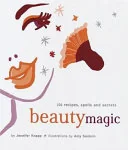
Beauty Magic
 77
77

Beauty Magic
Christina Wressell and Jennifer Knapp's "Beauty Magic" presents a charmingly accessible entry point into the world of enchanted personal care. The strength of the work lies in its straightforward, actionable recipes for items like homemade perfumes and lip balms, grounded in the 2004 publication date's renewed interest in natural ingredients. Knapp's evident research into historical beauty secrets, as noted in the original blurb, provides a solid foundation for these concoctions. However, the book occasionally leans towards a "fairy godmother" tone that, while friendly, can sometimes obscure the deeper esoteric underpinnings. For instance, the section on creating "positively delicious homemade perfumes" offers a practical guide, but a more explicit exploration of the energetic properties of specific essential oils and their planetary associations would have added greater metaphysical weight. Ultimately, "Beauty Magic" succeeds as an inviting introduction to magically-infused self-care.
📝 Description
77
### What It Is Beauty Magic offers practical, hands-on recipes for crafting personal care products imbued with intention. It presents a collection of formulations for items like perfumes, lip balms, scrubs, and lotions, all designed for home preparation. The core idea is to infuse everyday beauty rituals with elements of magic and natural wellness.
### Who It's For This handbook is for individuals interested in the intersection of natural beauty, DIY crafting, and subtle energies. It appeals to those who seek to move beyond mass-produced cosmetics and engage with ingredients on a more personal, perhaps even ritualistic, level. Aspiring practitioners of kitchen witchcraft or folk magic might find it particularly engaging.
### Historical Context First published in August 2004, Beauty Magic emerged during a period of renewed interest in natural living and artisanal crafts. It taps into a long history of folk beauty traditions that predate modern industrial cosmetics. The book draws upon historical knowledge of botanical properties and alchemical principles, placing it within a lineage of practical magical texts focused on personal adornment and well-being.
### Key Concepts The central concept is the deliberate enchantment of beauty products. This involves not just selecting wholesome ingredients but also imbuing the creation process with focus and intent. It promotes the idea that personal care can be an act of self-love and empowerment, connecting the user to natural cycles and elemental forces through scent, texture, and application.
💡 Why Read This Book?
• Learn to craft your own all-natural perfumes and lotions, drawing on the historical beauty secrets compiled by Jennifer Knapp, offering a personalized alternative to commercial products. • Discover the practice of imbuing everyday items with intention, transforming simple beauty rituals into acts of subtle magic as presented in the book's core philosophy. • Explore the connection between natural ingredients and elemental forces, understanding how botanical choices can influence energetic balance, a concept explored throughout the 2004 publication.
⭐ Reader Reviews
Honest opinions from readers who have explored this book.
❓ Frequently Asked Questions
What kind of magical practices does 'Beauty Magic' draw inspiration from?
The book draws from folk magic traditions and practical alchemy, focusing on the energetic properties of natural ingredients. It encourages users to infuse their creations with personal intent, aligning with broader practices of kitchen witchcraft and self-enchantment.
Are the ingredients for 'Beauty Magic' recipes easy to find?
Yes, the recipes prioritize wholesome, nourishing ingredients that are generally accessible in health food stores, farmer's markets, or even one's own garden, reflecting the book's emphasis on natural and traditional components.
What is the significance of the 2004 publication date for 'Beauty Magic'?
Published in 2004, the book reflects a growing contemporary interest in natural living, DIY culture, and a return to traditional remedies and artisanal craftsmanship, positioning it within a modern resurgence of interest in practical, earth-based magic.
Does 'Beauty Magic' require prior magical knowledge?
No, the handbook is designed for aspiring spellbinders and beginners. It provides easy recipes and clear instructions, making it accessible even for those new to magical practices or DIY beauty creation.
What types of beauty products are featured in 'Beauty Magic'?
The book features recipes for a range of personal care items, including homemade perfumes, lip balms, body scrubs, and lotions, all intended to be created by the user with natural ingredients.
Who are the authors of 'Beauty Magic'?
The book is authored by Christina Wressell and Jennifer Knapp. Jennifer Knapp is noted for her extensive research into historical beauty secrets and the formulation of the book's traditional yet contemporary treatments.
🔮 Key Themes & Symbolism
Intentional Creation
The core philosophy of Beauty Magic centers on the deliberate infusion of intent into the creation of personal care products. It moves beyond mere recipe following, encouraging the practitioner to imbue each step—from ingredient selection to mixing—with focused energy. This transforms the act of making a lotion or perfume into a ritual, aligning the maker's will with the desired outcome, whether it be self-love, attraction, or tranquility. The book posits that the energy invested during creation directly influences the final product's efficacy and energetic signature.
Natural Alchemy
Beauty Magic champions the use of natural, wholesome ingredients as a form of modern alchemy. It highlights the inherent magical properties within botanicals, essential oils, and other natural elements, drawing parallels to historical herbalism and folk remedies. The process of combining these ingredients is presented as an alchemical transformation, where simple components are transmuted into potent elixirs for beauty and well-being. This approach emphasizes a connection to the earth and its cycles, grounding the magical practice in tangible, organic materials.
Empowered Self-Care
This work reframes personal care routines as acts of empowerment and self-devotion. By crafting one's own beauty products, individuals reclaim agency over what they apply to their bodies, moving away from mass-produced items with unknown origins. The book encourages a mindful approach to beauty, where each application becomes a ritualistic moment of connection and self-affirmation. This fosters a sense of personal sovereignty and well-being, rooted in the knowledge that one has created these items with care and specific intention.
Historical Beauty Wisdom
Beauty Magic serves as a conduit to historical beauty practices, unearthing "essential secrets" from the archives of beauty history. Jennifer Knapp's research brings to light traditional treatments and contemporary delights derived from time-honored knowledge. This connection to the past provides a sense of lineage and authenticity, suggesting that these practices are not novel inventions but rather rediscoveries of potent, effective methods used for centuries. The book bridges the gap between ancient wisdom and modern application in personal care.
💬 Memorable Quotes
“easy recipes for positively delicious homemade perfumes, lip balms, scrubs, lotions, and more.”
— This phrase encapsulates the book's accessible and practical approach. It highlights the range of DIY beauty products offered, emphasizing both simplicity in execution ('easy recipes') and the appealing sensory qualities ('delicious') of the final creations.
“Fairy godmother Jennifer Knapp has scoured the archives of beauty history for essential secrets.”
— This quote positions Jennifer Knapp as a knowledgeable guide, implying extensive research into historical beauty lore. The 'fairy godmother' metaphor suggests a benevolent and magical assistance in uncovering these valuable, perhaps hidden, beauty secrets.
“wholesome, nourishing ingredients from which she concocts a delectable range of traditional treatments and contemporary delights.”
— This highlights the book's commitment to natural, beneficial components. It suggests a thoughtful curation of ingredients that honor both time-tested remedies ('traditional treatments') and modern preferences ('contemporary delights').
“Even the most natural of bombshells can use the help of a magic wand.”
— This opening statement playfully suggests that magical enhancement is universally applicable, even to those who are naturally beautiful. It frames magic not as a necessity for flaws, but as an enhancement, inviting a broad audience into the concept.
“Beauty Magic is a bewitching little handbook for aspiring spellbinders everywhere.”
— This defines the book's essence: a compact, engaging guide ('little handbook') aimed at individuals interested in magic ('aspiring spellbinders'). The term 'bewitching' implies an alluring and enchanting quality to the content within.
🌙 Esoteric Significance
Tradition
Beauty Magic fits within the broader current of practical, folk, and kitchen witchcraft traditions. While not explicitly aligned with a single lineage like Hermeticism or Kabbalah, it draws upon the universal esoteric principle of imbuing mundane objects with spiritual or magical intent. Its focus on personal transformation through tangible creation aligns with animistic and nature-based spiritualities that see inherent power in the natural world and the act of focused will. It represents a modern manifestation of ancient practices where personal adornment and daily rituals were deeply interwoven with magical and spiritual life.
Symbolism
The book implicitly utilizes the symbolism of botanicals and their traditional associations. For example, rose is often linked to love and beauty, lavender to peace and purification, and citrus scents to vitality and clarity. The act of creation itself symbolizes transformation and manifestation. The 'magic wand' metaphor, though whimsical, symbolizes focused intent and the directed application of energy. The textures and scents of the created products (lotions, balms, perfumes) symbolize the embodiment of desired qualities – softness, allure, refreshment – on a physical and energetic level.
Modern Relevance
Contemporary practitioners of modern witchcraft, particularly those focused on green magic and self-care rituals, often draw inspiration from works like "Beauty Magic." Thinkers and bloggers in the natural beauty and wellness spaces who advocate for DIY and ingredient transparency resonate with its principles. Its accessible approach also makes it relevant for individuals seeking to decolonize their beauty routines by returning to natural, time-tested methods, echoing a broader cultural shift towards sustainability and mindful consumption.
👥 Who Should Read This Book
• DIY enthusiasts and crafters seeking to infuse their handmade personal care products with intention and energetic properties. • Beginners interested in exploring practical magic and folk traditions, looking for accessible entry points beyond complex theoretical texts. • Individuals focused on natural beauty and wellness who wish to deepen their connection to ingredients and the ritualistic aspects of self-care.
📜 Historical Context
First published in August 2004, "Beauty Magic" emerged within a burgeoning cultural landscape that saw a significant resurgence of interest in natural living, DIY culture, and artisanal crafts. This period, marked by a growing skepticism towards heavily processed consumer goods, provided fertile ground for books like this, which tapped into a lineage of folk herbalism and practical magic. The work can be seen as a contemporary echo of 19th-century household guides and early 20th-century occult texts that often included sections on personal well-being and alchemical preparations. While not directly engaging with major intellectual movements like the New Age spiritualism of the late 20th century, it shared a philosophical alignment with its emphasis on personal empowerment and connection to natural forces. Its reception was likely within circles already exploring alternative lifestyles and esoteric practices, offering accessible entries into these domains.
📔 Journal Prompts
The concept of 'wholesome, nourishing ingredients' as a foundation for beauty magic.
Reflecting on the transformation of simple components into 'delectable' beauty products.
The role of the 'magic wand' in personal beautification rituals.
Interpreting the 'essential secrets' of beauty history within your own practice.
The creation of 'positively delicious' homemade perfumes as an act of spellcasting.
🗂️ Glossary
Spellbinders
Individuals who practice or aspire to practice magic, particularly those who create enchanted items or perform rituals. In the context of Beauty Magic, it refers to those making magical beauty products.
Bewitching
Having the power to enchant, fascinate, or cast a spell. In this context, it describes the alluring and captivating nature of the handbook and its contents.
Nourishing Ingredients
Components, often natural and organic, that provide beneficial sustenance or restorative qualities to the body. In Beauty Magic, these are selected for both their physical benefits and their energetic properties.
Traditional Treatments
Remedies, beauty preparations, or wellness practices that have been passed down through generations, often rooted in folk wisdom, herbalism, or historical alchemical knowledge.
Contemporary Delights
Modern creations or enjoyable items that reflect current tastes and preferences, adapted from or inspired by traditional methods. In this book, these are beauty products with a modern appeal.
Magic Wand
A symbolic tool used in magic to direct energy or intention. In Beauty Magic, it serves as a metaphor for focused will and the enchanting process applied to beauty products.
Archives of Beauty History
A metaphorical collection of historical knowledge, practices, and secrets related to beauty, cosmetics, and personal adornment accumulated over time.