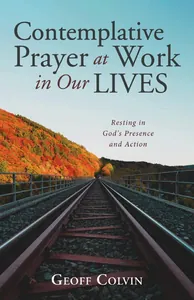
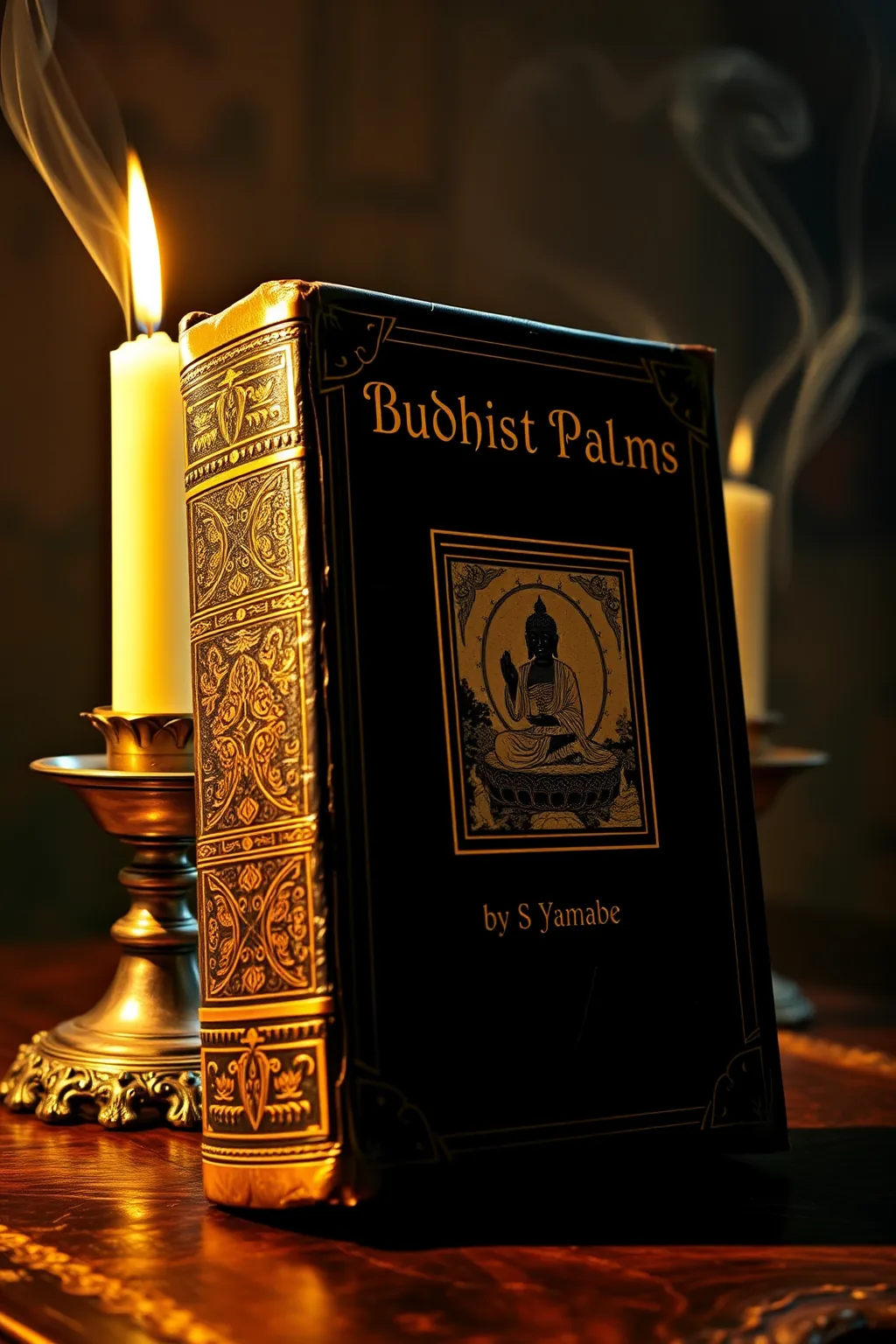
Buddhist Psalms
 79
79

Buddhist Psalms



Celeste Moreau (Divination & Symbolism Reviewer) — 'Buddhist Psalms' offers a sublime entry point into the esoteric heart of Pure Land Buddhism. S. Yamabe and Lily Adams Beck's translation breathes life into Shinran Shōnin's ancient devotional verses, revealing profound spiritual insights for the contemporary seeker. The emphasis on Amida Buddha's boundless compassion and the transformative power of faith illuminates a mystical path of surrender and liberation. This collection is a treasure for those drawn to contemplative practices and the study of Eastern spiritual traditions, providing a direct conduit to the wisdom of rebirth in the Pure Land. Its lyrical beauty and accessible philosophy make it an indispensable addition to any esoteric library.
📝 Description
79
Shinran Shōnin composed the Jōdo-Wasan in 10th-century Japan.
This book presents an English translation of Shinran Shōnin's Jōdo-Wasan, known as Buddhist Psalms. The original Japanese text dates to the 10th century. It articulates the core tenets of Pure Land Buddhism, focusing on devotion to Amida Buddha as the path to enlightenment.
The psalms convey a message of humility and reliance on Amida's compassion. They suggest that sincere faith leads to rebirth in a pure land, a state of perfect peace. Lily Adams Beck's translation aims to preserve the devotional spirit of Shinran's original work, making these teachings available to English readers. The text invites contemplation on divine grace and its power to overcome earthly difficulties. It encourages trust in Amida's vow for ultimate solace and spiritual awakening.
The Jōdo-Wasan belongs to the Pure Land school of Mahayana Buddhism, specifically its emphasis on devotion as a primary spiritual practice. This tradition, originating in ancient India and developing significantly in East Asia, posits that Amida Buddha's vow allows ordinary individuals, through faith, to attain rebirth in his Pure Land. This contrasts with other Buddhist paths that may emphasize monasticism or extensive meditative practice. The psalms articulate a spiritual approach centered on recognizing one's own limitations and entrusting oneself to Amida's boundless grace for liberation.
✍️ Author

S Yamabe
Richard Streit Hamilton (January 10, 1943 – September 29, 2024) was an American mathematician who served as the Davies Professor of Mathematics at Columbia University. Hamilton is known for contributions to geometric analysis and partial differential equat…
💡 Why Read This Book?
Embark on a journey of profound spiritual solace and liberation. 'Buddhist Psalms' offers a direct connection to the compassionate heart of Amida Buddha, revealing ancient wisdom for modern seekers. Ideal for those drawn to contemplative practices, Buddhist philosophy, or anyone yearning for peace and spiritual awakening through unwavering faith and devotion.
⭐ Reader Reviews
Honest opinions from readers who have explored this book.
❓ Frequently Asked Questions
What is the 'Jōdo-Wasan' translated in this book?
The 'Jōdo-Wasan' are the 'Psalms of the Pure Land,' a collection of devotional hymns composed by the Japanese monk Shinran Shōnin. They express faith in Amida Buddha and the aspiration for rebirth in his Pure Land.
Who is Shinran Shōnin?
Shinran Shōnin (1173–1263) was a pivotal figure in Japanese Buddhism, founding the Jōdo Shinshū (True Pure Land) school. He emphasized salvation through faith in Amida Buddha's saving power.
What is the 'Pure Land' in Buddhist teachings?
The Pure Land is a concept in Mahayana Buddhism, often described as a realm of perfect bliss and enlightenment created by a Buddha (like Amida) for the benefit of all beings, facilitating their path to Buddhahood.
What does 'esoteric' mean in the context of this book?
In this context, 'esoteric' refers to the deeper, mystical, and spiritual dimensions of Pure Land Buddhism, focusing on inner transformation, direct experience of grace, and hidden symbolic meanings rather than purely academic study.
Is this book suitable for beginners to Buddhism?
Yes, 'Buddhist Psalms' offers an accessible and devotional entry point for beginners, focusing on core tenets of faith and compassion rather than complex philosophical doctrines.
🔮 Key Themes & Symbolism
The Boundless Compassion of Amida Buddha
This theme studies the central tenet of Pure Land Buddhism: the unfathomable and all-encompassing compassion of Amida Buddha. The psalms illustrate how this compassionate vow acts as a guiding light and a source of unconditional salvation for all sentient beings, regardless of their perceived flaws or spiritual attainment. It's an exploration of divine grace as a force that actively seeks to uplift and liberate, inviting readers to contemplate a love that transcends human understanding and worldly limitations.
Devotion as the Path to Liberation
The collection emphasizes the transformative power of sincere devotion (nembutsu) as the primary means to attain rebirth in the Pure Land. This isn't about arduous spiritual practices or intellectual mastery, but rather a heartfelt reliance on Amida's grace. The psalms articulate a profound trust and surrender, suggesting that the act of calling upon Amida's name, with faith and gratitude, is the very key that unlocks the door to enlightenment and eternal peace. It highlights a path accessible to all, rooted in the sincerity of the heart.
Humility and the True Self
A pervasive undercurrent in 'Buddhist Psalms' is the virtue of humility. The verses often acknowledge the practitioner's perceived shortcomings and the illusory nature of the ego. This recognition of one's own limited self paves the way for the reception of Amida's boundless wisdom and compassion. The psalms guide the reader toward shedding pride and self-importance, revealing that true spiritual progress lies not in self-aggrandizement, but in a humble surrender to a higher, benevolent power.
💬 Memorable Quotes
Direct passages from the work, attributed to the author.
“In Amida's vow, all beings find their true home.”
— This highlights the universal salvific intent of Amida Buddha. His foundational vow is presented as a promise of sanctuary and ultimate belonging for every living being, regardless of their current circumstances or spiritual journey.
“The path is not walked, but received through grace.”
— This expresses the essence of Pure Land teaching, emphasizing that spiritual liberation is not achieved through personal effort alone, but is a gift bestowed by Amida Buddha's grace, received through faith.
“From darkness, I turn to your radiant light.”
— This expresses the fundamental human condition of suffering and ignorance, and the profound shift towards hope and salvation that occurs when one embraces the teachings and the presence of Amida Buddha.
“My simple faith, a vessel for Amida's endless merit.”
— This illustrates the humble yet powerful nature of faith in Pure Land Buddhism. The individual's sincere belief acts as a conduit, allowing the immeasurable spiritual merit of Amida Buddha to be transmitted to the devotee.
💡 Key Ideas
Editorial paraphrase of the work's core concepts — not direct quotes.
My mind, a boundless ocean, reflects the Amida's light.
This quote speaks to the interconnectedness of the individual consciousness with the divine. It suggests that the true nature of the mind, when purified of egoic illusions, mirrors the infinite wisdom and compassion of Amida Buddha.
🌙 Esoteric Significance
Tradition
This work is a central to the Jōdo Shinshū (True Pure Land) tradition within Mahayana Buddhism. Esoterically, it reveals a path of direct experience of Amida Buddha's compassionate grace, accessible through unwavering faith and devotion. It bypasses complex philosophical doctrines, offering a mystical union with the divine through the simple yet profound practice of the nembutsu, embodying a hidden wisdom of effortless salvation.
Symbolism
Key symbols include the 'Pure Land' itself, representing a state of perfect enlightenment and peace attainable through Amida's vow. Amida Buddha symbolizes boundless compassion and infinite light, while the 'ocean' often represents the vastness of the mind or the sea of suffering from which one is rescued. The 'light' signifies wisdom and salvation, clear the path out of ignorance and delusion.
Modern Relevance
In an age often characterized by anxiety, existential doubt, and the pursuit of external validation, 'Buddhist Psalms' offers a potent antidote. Its emphasis on surrender, unconditional compassion, and the inherent peace found in faith provides a timeless resonance. The psalms serve as a spiritual anchor, guiding modern individuals toward inner tranquility and a profound sense of interconnectedness, reminding them of a grace that is always present and accessible.
👥 Who Should Read This Book
This collection is a profound treasure for a diverse readership. **Beginners to Buddhism** will find an accessible and heartwarming introduction to core Pure Land principles. **Spiritual seekers** yearning for solace, peace, and a direct connection to divine compassion will be deeply moved. **Students of comparative religion and philosophy** will appreciate its historical and theological significance. **Practitioners of contemplative practices** will discover rich material for meditation and reflection, while those drawn to **esoteric traditions** will find a unique pathway to spiritual liberation through devotional surrender.
📜 Historical Context
Published in 1921 as part of the 'Wisdom of the East' series, 'Buddhist Psalms' emerged during a period of burgeoning global interest in Eastern philosophies and spiritual traditions. This era saw a surge in translations and scholarly works aimed at making the profound wisdom of the East accessible to a Western audience. The 'Wisdom of the East' series itself was dedicated to presenting concise and authoritative introductions to various Asian philosophies and religions. In this context, the translation of Shinran Shōnin's Jōdo-Wasan offered a unique glimpse into a distinctly Japanese form of Buddhism, one that emphasized devotional practice and the concept of a Pure Land. It provided Western readers, often grappling with the spiritual and existential questions of the early 20th century, with an alternative perspective on faith, salvation, and the nature of ultimate reality, resonating with those seeking solace and deeper meaning beyond conventional Western thought.
📔 Journal Prompts
Reflect on a time you felt the overwhelming presence of compassion. How did it differ from ordinary kindness?
Consider the concept of 'surrender' in your spiritual or personal life. What does it truly mean to let go?
Meditate on the idea of a 'Pure Land.' What does this field of peace and enlightenment represent to you personally?
How does unwavering faith, as described in the psalms, challenge or affirm your current beliefs?
Write a short psalm or prayer of your own, focusing on gratitude for a guiding light or a source of strength in your life.
🗂️ Glossary
Jōdo-Wasan
A collection of hymns or psalms composed by the Japanese monk Shinran Shōnin, central to the Pure Land Buddhist tradition, expressing devotion to Amida Buddha and the aspiration for rebirth in his Pure Land.
Amida Buddha
The principal Buddha in Pure Land Buddhism, revered for his boundless compassion and his vow to save all sentient beings by guiding them to his Pure Land through faith in him.
Pure Land
In Mahayana Buddhism, a celestial realm or spiritual plane created by a Buddha (like Amida) where beings can attain enlightenment more easily, free from the suffering of the cycle of rebirth.
Nembutsu
The practice of reciting Amida Buddha's name (Namu Amida Butsu), considered the essential act of devotion in Pure Land Buddhism, leading to salvation and rebirth in the Pure Land.
Shinran Shōnin
The 10th-century Japanese Buddhist monk who founded the Jōdo Shinshū (True Pure Land) school, emphasizing salvation through Amida Buddha's grace rather than self-effort.
This book appears in 3 collections
🔮 Readers Also Liked
Browse all →






From the “Meditation” Collection
View all →






More Free Mysticism & Contemplation Books
View all →