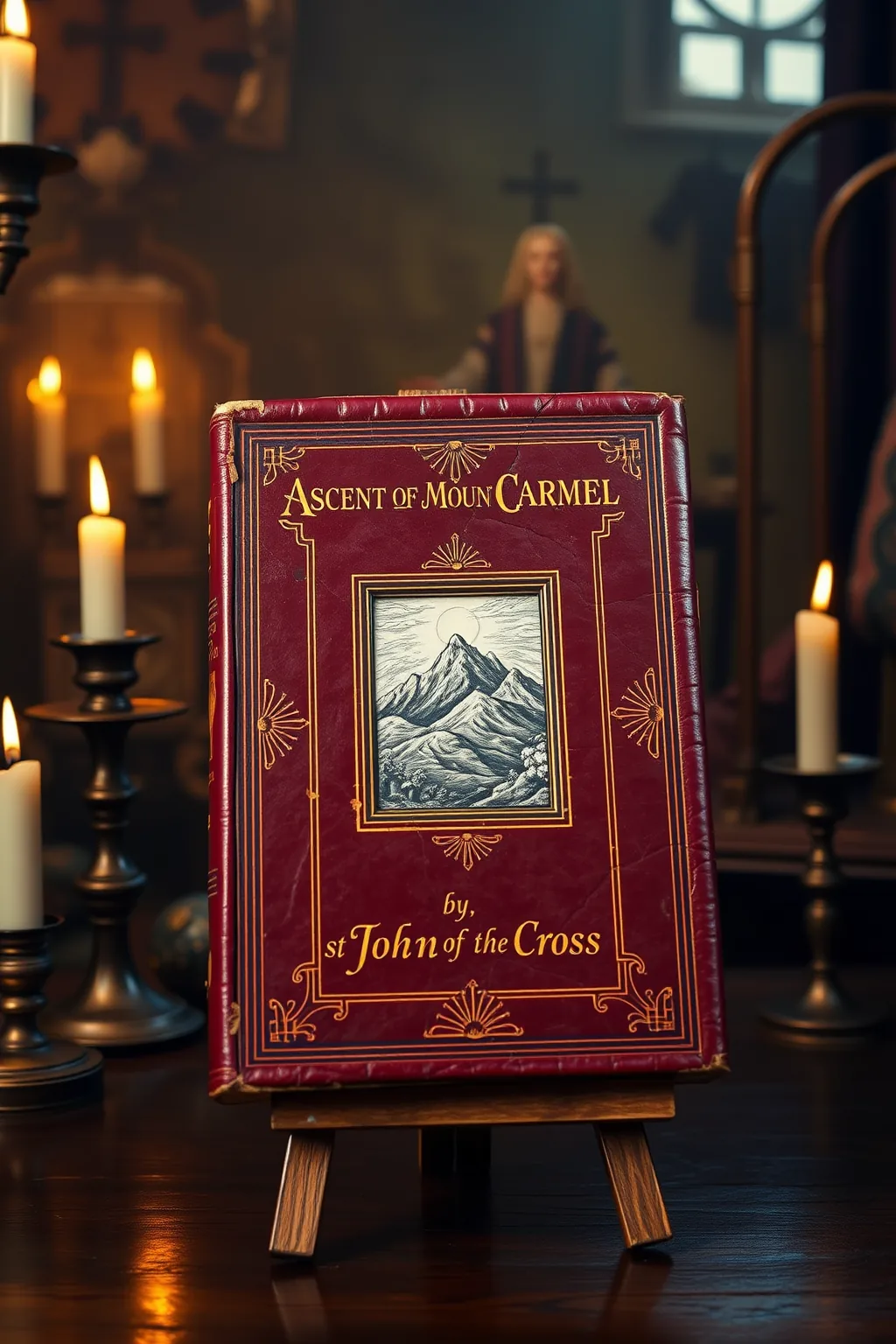
Ascent of Mount Carmel
 78
78

Ascent of Mount Carmel


Aurelia Blackwood, Occult Philosophy Critic: 'Ascent of Mount Carmel' is not merely a devotional text; it is an alchemical map for the soul's transmutation. St. John of the Cross, with piercing clarity, deconstructs the ego's illusions, revealing the 'dark night' as a crucial crucible for spiritual illumination. His exposition on the necessity of sensory and spiritual privation to achieve union with the Divine is both stark and profoundly liberating. This work is indispensable for serious practitioners of contemplative traditions and scholars of esoteric Christianity, offering unparalleled guidance for those who seek the ultimate gnosis.
📝 Description
78
Saint John of the Cross wrote 'Ascent of Mount Carmel' in the late 16th century.
This treatise details the soul's difficult but rewarding path toward union with God. John of the Cross describes this ascent as a process of detachment from worldly concerns and ego. He uses the metaphor of Mount Carmel to represent the soul's journey toward divine presence. The book is intended for serious spiritual seekers who want a more profound connection with the divine.
It offers practical guidance on purifying the soul and surrendering to divine will. The text emphasizes rigorous self discipline and examination as essential steps. Readers will find detailed explanations of the 'dark night' experiences that often accompany this spiritual progression. John of the Cross presents this path as one of intense spiritual effort, illuminated by divine assistance.
As a central text of Christian mysticism, 'Ascent of Mount Carmel' belongs to a tradition of contemplative spirituality that seeks direct experience of the divine. This path often involves rigorous asceticism and psychological discipline, aiming to strip away the ego's attachments and illusions. The book's focus on the soul's journey through suffering and purification aligns with mystical traditions across various religions that interpret trials as necessary steps toward spiritual enlightenment. It is a practical guide for the inner life within the Carmelite order.
✍️ Author
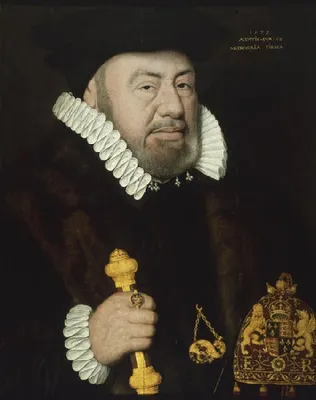
St John Of The Cross
St. John of the Cross (Spanish: Juan de la Cruz; Latin: Ioannes a Cruce; né Juan de Yepes y Álvarez; 24 June 1542 – 14 December 1591) was a Spanish Catholic priest, mystic, and Carmelite friar.
💡 Why Read This Book?
This seminal work offers a profound, actionable path to spiritual liberation and divine union. It provides essential esoteric wisdom on detachment, purification, and the transformative power of faith. Ideal for seekers of deep spiritual truth, contemplative practitioners, and scholars of mystical traditions.
⭐ Reader Reviews
Honest opinions from readers who have explored this book.
❓ Frequently Asked Questions
What is the 'Mount Carmel' in this text?
The 'Mount Carmel' is a potent metaphor representing the soul's arduous but ultimately rewarding journey towards achieving union with God, a spiritual summit of divine encounter.
What is the 'dark night of the soul'?
The 'dark night' refers to periods of spiritual trial and purification where the soul feels abandoned by God, a necessary stage of shedding attachments to facilitate deeper divine connection.
Who was St. John of the Cross?
St. John of the Cross (1542-1591) was a Spanish Carmelite friar, priest, and mystic whose writings are considered masterpieces of Christian mysticism, exploring the soul's journey to God.
Is this book only for religious individuals?
While rooted in Christian tradition, its profound psychological and spiritual insights on detachment, self-awareness, and seeking truth resonate with anyone on a path of inner transformation.
What is the primary message of the book?
The core message is that true spiritual union with God is achieved through radical detachment from worldly desires and sensory pleasures, leading to a purified and receptive soul.
🔮 Key Themes & Symbolism
The Necessity of Detachment
This treatise powerfully argues that shedding all attachments – sensory, intellectual, and spiritual – is paramount for the soul's ascent. It details how even seemingly virtuous affections can become obstacles, hindering the direct experience of God. The text guides the reader through a rigorous process of unlearning, emphasizing that true spiritual progress lies in emptying oneself of all that is not God, making room for divine infusion.
The Dark Night of the Soul
A cornerstone concept, the 'dark night' is presented not as a punishment, but as a divinely ordained process of purification. St. John vividly describes the sensory and spiritual nights, periods of profound emptiness and perceived abandonment, wherein the soul is stripped bare of its reliance on comforting experiences, forcing a deeper, more radical faith and trust in God's unseen presence.
The Ascent to Divine Union
The ultimate goal is the unitive life, a complete absorption of the soul into the Divine. The book meticulously maps the stages of this ascent, from initial renunciation to the active and passive purification of the soul, culminating in a state of perfect love and ecstatic communion. It is a evidence of the soul's capacity for transformation and its inherent longing for its divine source.
💬 Memorable Quotes
Direct passages from the work, attributed to the author.
“Begin by doing that which is not in your power.”
— This paradoxical statement highlights the need to transcend one's perceived limitations and actively engage with spiritual disciplines that may initially seem beyond one's grasp.
“In the evening of life, you will be judged on your love.”
— A profound reminder of the ultimate measure of spiritual life, emphasizing that acts of love and the cultivation of a loving disposition are the true indicators of spiritual progress.
“The soul that is attached to anything, however much, cannot attain that union.”
— This stark declaration underscores the absolute requirement of detachment for achieving divine union, illustrating that even minor worldly preoccupations can create insurmountable barriers.
“The greatest proof of love is the sacrifice.”
— This aphorism points to the transformative power of self-denial and sacrifice as the ultimate expression of devotion and the pathway to deeper spiritual connection.
💡 Key Ideas
Editorial paraphrase of the work's core concepts — not direct quotes.
To arrive at the enjoyment of the property of all things, thou must desire the property of none.
This quote captures the core principle of detachment, suggesting that true possession and understanding of the world come not through ownership, but through relinquishing all claims.
🌙 Esoteric Significance
Tradition
This work is a central to Christian Mysticism, specifically within the Carmelite tradition, but its teachings on detachment, purification, and the dark night resonate with broader esoteric philosophies, including Neoplatonism and Gnosticism, offering a path to inner gnosis and divine illumination.
Symbolism
The central metaphor of the 'Mount Carmel' represents the soul's arduous ascent towards God. Other potent symbols include light and darkness, representing divine presence and spiritual trial, and the concept of 'nothingness' as the fertile ground for divine encounter. The journey itself is a symbolic representation of alchemical transformation.
Modern Relevance
In an age of constant distraction and material pursuit, St. John's teachings on radical detachment and inner stillness offer a powerful antidote. His insights into the psychology of spiritual growth and the necessity of confronting one's inner darkness remain profoundly relevant for anyone seeking authentic self-knowledge and a deeper connection to the transcendent.
👥 Who Should Read This Book
This profound text is essential for serious Christian mystics and contemplative practitioners seeking to deepen their union with God. Scholars of religious history and comparative mysticism will find invaluable historical and theological context. Seekers of spiritual truth, regardless of their specific tradition, who are drawn to the path of rigorous self-discipline and profound inner transformation will find guidance and inspiration.
📜 Historical Context
Written during the Spanish Golden Age (late 16th century), a period of intense religious fervor, mystical exploration, and the Counter-Reformation, 'Ascent of Mount Carmel' emerged from a climate where profound spiritual inquiry was both encouraged and scrutinized. St. John of the Cross, a contemporary of Teresa of Ávila, was deeply involved in the Carmelite reform movement, seeking a return to a more austere and contemplative spiritual life. This era saw a flourishing of mystical literature, but also periods of persecution for those who deviated from orthodox interpretations. The work reflects the intellectual and spiritual field of a Europe grappling with religious division and a deep yearning for direct experience of the divine.
📔 Journal Prompts
Reflect on an attachment in your life that you feel hinders your spiritual progress. How can you begin to detach from it?
Describe a time you experienced a 'dark night' of doubt or spiritual dryness. What did you learn from that period?
Consider the meaning of 'nothingness' in your spiritual journey. How can emptiness lead to fullness?
What does 'divine union' mean to you, and what steps are you currently taking towards it?
How can the principle of 'loving all things through desiring the property of none' be applied to your daily life?
🗂️ Glossary
Detachment
The voluntary renunciation of attachment to worldly possessions, sensory pleasures, and even spiritual consolations, in order to foster a more direct and unhindered relationship with God.
Mysticism
The pursuit of spiritual truth and direct experience of the divine, often involving contemplation, asceticism, and the belief in the possibility of union with God or ultimate reality.
The Dark Night
A spiritual state of purification characterized by sensory and spiritual desolation, where the soul feels abandoned by God but is undergoing a profound transformation.
Contemplation
A form of prayer or meditation focused on silent reflection and direct experience of God's presence, often involving a passive receptivity to divine grace.
Divine Union
The ultimate goal of the mystical path, a state of profound and intimate communion between the soul and God, often described as a spiritual marriage or ecstatic merging.
This book appears in 4 collections
🔮 Readers Also Liked
Browse all →




More by St John Of The Cross
All books →





From the “Meditation” Collection
View all →





More Free Mysticism & Contemplation Books
View all →