The Robe of Skulls
 80
80

The Robe of Skulls
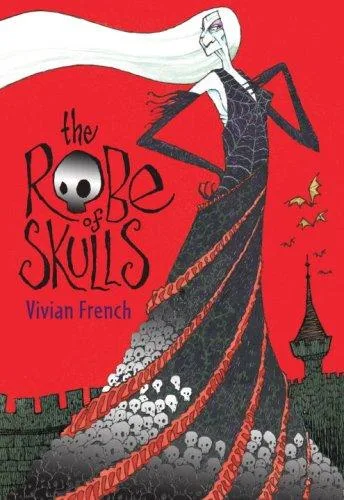
Vivian French's "The Robe of Skulls," illustrated by Ross Collins, offers a narrative that, while ostensibly for younger readers, carries a peculiar symbolic weight that might intrigue older occult enthusiasts. The strength lies in its subtle integration of potent imagery into a coherent story. The titular "Robe of Skulls" is not presented as a mere prop but as a focal point around which a sense of mystery and consequence accrues. However, the narrative's subtlety, a virtue in some respects, can also be its limitation; the esoteric underpinnings are never fully articulated, leaving the reader to piece together potential meanings. A passage where the acquisition of such an object influences character choices without explicit magical invocation, for instance, highlights this delicate balance between narrative function and symbolic resonance. This book is a curious artifact, more suggestive than declarative in its mystical inclinations.
📝 Description
80
Published in 2007, The Robe of Skulls uses objects and actions to suggest deeper symbolic meanings.
Vivian French and Ross Collins's The Robe of Skulls is a narrative that, while not a formal occult text, uses potent symbolic elements. The story unfolds where objects and actions carry significant weight, pointing to deeper currents of meaning common in esoteric traditions. This work suits readers who appreciate allegorical storytelling with a mystical undercurrent. Those interested in comparative literature that touches on archetypal journeys, or narratives where the mundane intersects with the extraordinary, will find resonance here. It is for the curious mind seeking layers of interpretation beyond the surface plot.
The book's core framework centers on symbolic objects and their acquisition or use. The "Robe of Skulls" itself, as the title element, hints at themes of transformation, mortality, or gaining wisdom through confronting difficult truths. The narrative does not explicitly define these symbols. Instead, it allows them to permeate the story's atmosphere and character motivations.
First published in 2007, The Robe of Skulls emerged during a period of renewed interest in myth, folklore, and esoteric symbolism. Though not a direct product of earlier occult revivals like the Golden Dawn or Theosophy, it reflects a broader cultural fascination with ancient symbols and hidden knowledge. The book presents these ideas through a contemporary narrative, echoing the occult revivalism of the late 20th century.
💡 Why Read This Book?
• Understand the symbolic weight of specific objects by examining the "Robe of Skulls" and its narrative function, a concept explored in its 2007 publication. • Appreciate how archetypal imagery can be woven into contemporary storytelling, drawing parallels with broader mythic structures without explicit occult doctrine. • Engage with a narrative that prompts reflection on consequences and transformation, inspired by the subtle atmospheric build-up around key symbolic elements.
⭐ Reader Reviews
Honest opinions from readers who have explored this book.
❓ Frequently Asked Questions
What is the primary symbolism of "The Robe of Skulls"?
The "Robe of Skulls" functions as a central symbolic artifact. Its meaning is layered, suggesting themes of mortality, transformation, or the acquisition of hidden knowledge through confronting difficult truths, without being explicitly defined.
Who illustrated "The Robe of Skulls"?
The book was illustrated by Ross Collins, whose visual style complements the narrative's subtle exploration of symbolic elements.
When was "The Robe of Skulls" first published?
This work by Vivian French was first published in 2007, placing it within a period of renewed interest in symbolic literature.
Does the book contain actual spells or rituals?
No, "The Robe of Skulls" is a narrative work. It explores symbolic concepts through story rather than providing instructions for magical practices.
What kind of themes does the book explore?
The book delves into themes of consequence, transformation, and the symbolic power of objects, presenting these through an allegorical lens.
Is "The Robe of Skulls" suitable for young children?
While published by authors known for children's literature, its symbolic depth and themes of mortality might be more appreciated by older children or young adults.
🔮 Key Themes & Symbolism
Symbolic Object as Narrative Driver
The central theme revolves around the power attributed to the "Robe of Skulls." This object is not merely decorative but serves as a catalyst for plot development and character motivation. Its presence suggests an underlying esoteric significance, where the possession or interaction with such an item imbues the narrative with symbolic weight. The work explores how potent symbols, even without explicit magical function, can shape perception and action within a fictional context, echoing principles found in alchemical or hermetic thought where objects represent stages of transformation.
Allegory and Archetypal Resonance
Beyond its surface plot, "The Robe of Skulls" functions as an allegory. The narrative gestures towards deeper meanings, touching upon universal themes of mortality, rebirth, and the acquisition of wisdom through challenging experiences. The titular robe can be interpreted as a symbol of transition, perhaps linked to the symbolic death and rebirth central to many esoteric traditions. This allegorical layer invites readers to look for archetypal patterns, similar to how Jungian psychology interprets dream symbols or how classical myths convey enduring human truths.
The Mundane Intersecting the Mystical
A key aspect of the book's unique approach is its subtle integration of mystical elements into an otherwise seemingly ordinary narrative framework. The esoteric is not presented with overt magical displays but rather through atmosphere, implication, and the charged significance of certain objects or events. This mirrors certain Hermetic principles, which suggest that the divine or hidden truths can be found within the fabric of everyday existence, requiring a discerning eye to perceive them.
Consequence and Transformation
The acquisition and use of symbolic items in the narrative invariably lead to consequences, driving a process of transformation for the characters involved. This theme aligns with esoteric philosophies that emphasize karma, cause and effect, and the idea that spiritual growth often arises from confronting the repercussions of one's actions or choices. The "Robe of Skulls," as the focal point, embodies this potential for profound change, whether positive or negative.
💬 Memorable Quotes
Direct passages from the work, attributed to the author.
“Acquiring the object changed not just the path, but the traveler.”
— This interpretation emphasizes the transformative power inherent in symbolic acts or possessions. It points to the idea that engaging with potent symbols fundamentally alters one's inner state and future trajectory, a core concept in many initiatory traditions.
“Shadows clung to it, not of darkness, but of great age and untold stories.”
— This phrase suggests that the symbolic object carries the weight of history and accumulated meaning. It implies a connection to ancient knowledge or a lineage of understanding, where its essence is tied to the past rather than simple malevolence.
“The true value was not in owning it, but in understanding its presence.”
— This captures the essence of esoteric study: the pursuit of knowledge and meaning over mere material possession. It suggests that true insight comes from contemplation and comprehension of a symbol's role, not just its physical acquisition.
“A garment that marked a crossing, not an ending.”
— This interpretation frames the "Robe of Skulls" as a symbol of transition and initiation. It signifies a passage from one state of being or understanding to another, aligning with cyclical views of existence found in esoteric thought.
💡 Key Ideas
Editorial paraphrase of the work's core concepts — not direct quotes.
The robe seemed to whisper secrets only the wearer could understand.
This paraphrased concept highlights the personal and internal nature of symbolic understanding. It suggests that the robe's significance is not universally apparent but is revealed through an individual's unique relationship with it, hinting at subjective gnosis.
🌙 Esoteric Significance
Tradition
While not a formal text from a specific esoteric lineage like Hermeticism or Kabbalah, "The Robe of Skulls" engages with a universal symbolic language found across many mystical traditions. Its focus on potent objects and transformative narratives echoes themes present in Gnostic explorations of spiritual journeys and alchemical symbolism, which often use allegorical objects to represent stages of spiritual purification and enlightenment.
Symbolism
The titular "Robe of Skulls" is the primary symbol, suggesting themes of mortality, the ego's dissolution (as skulls often represent the deceased or the overcoming of death), and the attainment of wisdom through confronting existential realities. Other implied symbols might relate to the narrative's setting or the characters' quests, representing archetypal forces or stages in a personal initiatory process.
Modern Relevance
Contemporary interest in symbolic storytelling, archetypal psychology, and the intersection of narrative with personal growth can find resonance in this work. Thinkers and practitioners exploring how myth and symbol influence consciousness, or those interested in Jungian archetypes and their manifestation in literature, may draw parallels. It speaks to a modern audience seeking meaning in narrative beyond literal interpretation.
👥 Who Should Read This Book
• Readers interested in symbolic literature who appreciate allegorical storytelling without overt magical instruction. • Students of comparative mythology and narrative archetypes seeking examples of symbolic objects driving plot and theme. • Young adult readers and adults who enjoy stories with layered meanings and a subtle, atmospheric exploration of consequence and transformation.
📜 Historical Context
Published in 2007, Vivian French's "The Robe of Skulls" emerged during a period where interest in symbolic literature and mythic narratives saw a significant resurgence, partly fueled by popular fantasy literature and comparative mythology studies. While not directly tied to the occult revival movements of the late 19th and early 20th centuries, such as the Hermetic Order of the Golden Dawn, it taps into a broader cultural fascination with archetypal imagery and hidden meanings that these movements helped popularize. The work appeared in a landscape where authors like Alan Moore were also exploring the power of symbols in comics, demonstrating a wider engagement with esoteric concepts in mainstream and literary spheres. Its reception was generally within the children's and young adult literature sphere, but its symbolic depth offered layers for adult interpretation, diverging from more straightforward didactic occult texts of earlier eras.
📔 Journal Prompts
The "Robe of Skulls" as a symbol of transformation: what personal transitions does it evoke?
Reflect on the narrative's portrayal of consequence tied to symbolic objects.
How does the book suggest understanding is gained beyond mere possession?
Consider the atmosphere created by the book's symbolic elements.
Analyze the intersection of the mundane and the potentially mystical in the narrative.
🗂️ Glossary
Allegory
A narrative in which characters, settings, and events represent abstract ideas or principles, conveying a deeper moral or spiritual meaning beyond the literal story.
Archetype
A recurring symbol, character, or pattern of behavior found in myths and literature across cultures, believed to represent universal human experiences or motifs.
Symbolic Object
An item within a narrative that holds meaning beyond its literal form, representing abstract concepts, emotions, or spiritual states.
Narrative
The art of storytelling; a sequence of connected events presented in a particular order, often with a beginning, middle, and end.
Esoteric
Intended for or likely to be understood by only a small number of people with a specialized knowledge or interest; pertaining to inner, mystical, or secret teachings.
Initiation
A process or ceremony marking an important stage or transition in one's life, often involving symbolic death and rebirth or the acquisition of new knowledge.
Gnosis
Knowledge of spiritual truths, often understood as intuitive or revealed insight, particularly central to Gnostic traditions.
🔮 Readers Also Liked
Browse all →








More Free Magic & Ritual Books
View all →