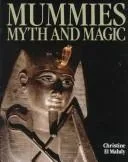
Mummies, myth and magic in ancient Egypt

 74
74

Mummies, myth and magic in ancient Egypt
Christine el Mahdy’s examination of Egyptian funerary rites in *Mummies, Myth and Magic* is notable for its sober, encyclopedic approach. Rather than succumbing to the allure of sensationalism, el Mahdy grounds her analysis in the available textual and archaeological evidence, offering a clear exposition of complex beliefs. The chapter detailing the various stages of mummification, from the removal of organs to the application of resins and amulets, is particularly strong, presenting a factual, step-by-step account. However, the book occasionally feels more like a compendium than a narrative, which might leave readers seeking a more interpretive, thematic through-line wanting. A more vigorous engagement with the psychological impact of these beliefs on the ancient populace could have elevated it further. Nonetheless, its meticulous scholarship makes it a valuable resource for understanding the mechanics and ideology of Egyptian death practices.
📝 Description
74
### What It Is
Mummies, Myth and Magic in Ancient Egypt by Christine el Mahdy offers a comprehensive look at the funerary practices, beliefs, and symbolic world of ancient Egypt. It moves beyond simple descriptions of mummification to explore the deeper spiritual and cosmological frameworks that informed these rituals. The book examines the journey of the deceased through the afterlife, the role of deities, and the magical elements believed to ensure rebirth.
### Who It's For
This work is essential for students of Egyptology, religious studies, and comparative mythology. It will also appeal to those interested in the historical roots of magical practices and the evolution of beliefs surrounding death and the soul. Readers seeking an academic yet accessible exploration of Egyptian cosmology will find value here.
### Historical Context
First published in 1989, el Mahdy's book emerged during a period of renewed academic and public interest in ancient Egypt, building upon the foundations laid by earlier Egyptologists like Flinders Petrie and E.A. Wallis Budge. It provided a synthesis of archaeological findings and textual analysis, contextualizing funerary rituals within a broader understanding of Egyptian religious thought. Its publication offered an alternative to more sensationalized accounts of Egyptian magic.
### Key Concepts
The book meticulously details concepts such as the Ka, Ba, and Akh, fundamental to understanding the Egyptian conception of the soul and its post-mortem existence. It explores the significance of funerary texts like the Pyramid Texts and the Book of the Dead, not merely as spells, but as guides and declarations of identity for the deceased. The intricate symbolism associated with funerary art and architecture is also a central focus, revealing the Egyptians' complex relationship with mortality and eternity.
💡 Why Read This Book?
• Gain a nuanced understanding of the Ka and Ba, the components of the Egyptian soul, as detailed in specific funerary texts like the Pyramid Texts, offering insight into ancient concepts of selfhood beyond Western paradigms. • Learn about the practical application of specific rituals during the New Kingdom period, such as the Opening of the Mouth ceremony, understanding its crucial role in preparing the deceased for the afterlife. • Explore the symbolic meanings behind common funerary amulets, like the ankh and djed pillar, and their direct connection to Egyptian cosmology and the promise of eternal life.
⭐ Reader Reviews
Honest opinions from readers who have explored this book.
❓ Frequently Asked Questions
What are the primary components of the Egyptian soul discussed in the book?
The book identifies several key components of the soul, notably the Ka (life force or spiritual double) and the Ba (personality or aspect that could travel between the tomb and the world of the living).
When were the Pyramid Texts first inscribed?
The Pyramid Texts, a significant source for understanding Egyptian afterlife beliefs, were first inscribed in the pyramids of pharaohs during the Fifth and Sixth Dynasties, dating back to around 2400-2300 BCE.
What was the purpose of the Opening of the Mouth ceremony?
This ritual, performed on mummies and statues, was believed to magically restore the senses and abilities of the deceased, allowing them to eat, speak, and function in the afterlife.
Which pharaoh is associated with early developments in mummification techniques?
While techniques evolved over millennia, early advancements are often linked to the Old Kingdom rulers, with gradual improvements seen through successive dynasties.
Does the book discuss the historical period of Akhenaten's religious revolution?
While the focus is on traditional funerary beliefs, the book may reference periods of religious upheaval to highlight the enduring nature of core Egyptian concepts concerning death and rebirth.
What is the significance of the djed pillar symbol?
The djed pillar, a recurring motif, symbolizes stability and endurance, often associated with the god Osiris and the promise of resurrection and eternal life.
🔮 Key Themes & Symbolism
The Egyptian Conception of the Soul
The work meticulously unpacks the complex Egyptian understanding of the soul, distinguishing between the Ka, Ba, and Akh. It explains how these distinct yet interconnected elements were believed to survive death and interact with the living. The book emphasizes that the preservation of the body was crucial for the Ka's sustenance and the Ba's ability to travel, linking physical integrity directly to spiritual continuity in the afterlife.
The Journey Through Duat
Central to the book is the depiction of the perilous journey undertaken by the deceased through the Duat, the Egyptian underworld. It details the trials, judgments, and encounters with various deities and demons that the soul faced. The significance of funerary texts, such as the Book of the Dead, as navigational aids and magical protection during this transition is thoroughly explored.
Mummification as a Spiritual Technology
Christine el Mahdy presents mummification not merely as a preservation technique but as a profound spiritual technology. The book elaborates on the ritualistic removal of organs, the embalming process using natron and resins, and the wrapping with linen bandages, all imbued with magical significance. Each step was designed to prepare the body for rebirth, transforming the deceased into an Akh, a glorified spirit.
Magic in Life and Death
The book illuminates the pervasive role of magic (heka) in ancient Egyptian society, particularly surrounding death. It discusses the use of amulets, spells, and incantations inscribed on tomb walls and papyri to ward off evil, ensure divine favor, and facilitate resurrection. This magical framework was integral to ensuring a successful transition from the earthly realm to eternal existence.
💬 Memorable Quotes
“The body was essential for the existence of the Ka and the Ba after death.”
— This highlights the fundamental Egyptian belief that the physical form was not discarded but was a necessary vessel for the continued existence of crucial spiritual components.
“Funerary texts served as guides for the deceased navigating the underworld.”
— This emphasizes the practical, instructional purpose attributed to texts like the Book of the Dead, which provided the knowledge and spells needed to overcome obstacles in the afterlife.
“Mummification aimed at achieving transformation into an Akh.”
— This points to the ultimate goal of the embalming process: not just preservation, but the spiritual metamorphosis of the deceased into an effective, glorified spirit capable of interacting with the gods.
“Amulets provided magical protection during the afterlife journey.”
— This underscores the belief in the efficacy of symbolic objects, imbued with specific powers, to safeguard the deceased from the dangers encountered in the Duat.
“The heart was considered the seat of intelligence and emotion.”
— This interpretation focuses on the Egyptian physiological understanding, where the heart, unlike other organs, was left in the body as it was vital for judgment in the afterlife.
🌙 Esoteric Significance
Tradition
While not strictly a work of esoteric doctrine, this book serves as a foundational text for understanding the practical magical and religious cosmology that underpins many Western esoteric traditions, particularly those influenced by Hermeticism and Theosophy. It details the Egyptian framework of spiritual transformation and the mechanics of the afterlife, which later occultists sought to integrate or reinterpret within their own systems. El Mahdy’s detailed examination provides the source material for understanding ancient Egyptian soul concepts.
Symbolism
Key symbols explored include the Ankh, representing life and immortality, and the Djed pillar, signifying stability and the backbone of Osiris, crucial for resurrection. The Eye of Horus (Wadjet) is also examined for its protective and healing qualities. These symbols were not merely decorative but potent magical tools believed to actively influence the deceased's journey and rebirth in the afterlife.
Modern Relevance
Contemporary practitioners of modern witchcraft, ceremonial magic, and those exploring pathworking often draw upon el Mahdy's work for its clear exposition of Egyptian deities, rituals, and symbolic language. The book's detailed accounts of mummification and funerary beliefs inform modern reconstructions of Egyptian-inspired rituals and meditations aimed at understanding death, transformation, and rebirth.
👥 Who Should Read This Book
• Aspiring Egyptologists and students of ancient religions: Gain a solid, fact-based understanding of Egyptian funerary beliefs and practices, moving beyond myth to scholarly interpretation. • Practitioners of Western Esotericism: Discover the historical roots of concepts like soul components (Ka, Ba) and magical symbolism that have influenced later magical systems. • General readers interested in death and the afterlife: Explore a civilization's profound engagement with mortality, offering a unique perspective on human attempts to achieve immortality.
📜 Historical Context
Published in 1989, Christine el Mahdy's *Mummies, Myth and Magic in Ancient Egypt* arrived at a time when Egyptology was grappling with synthesizing archaeological data and textual analysis. The preceding decades had seen significant discoveries and scholarly debates, yet a comprehensive, accessible overview of the intricate belief systems surrounding death was still valuable. El Mahdy's work offered a structured exploration, drawing on established scholarship but presenting it in a cohesive manner. It stood apart from more popular, often sensationalized, treatments of Egyptian funerary practices. Contemporary scholars like John Baines and Jaromir Malek were producing influential works on Egyptian religion and society, contributing to a rich academic landscape that el Mahdy’s book both engaged with and contributed to, providing a crucial resource for students and enthusiasts alike.
📔 Journal Prompts
The Ka and Ba: How might these concepts inform reflections on personal identity and spiritual continuity?
The Opening of the Mouth ceremony: Consider the symbolic significance of restoring senses to the deceased.
The Duat: Map potential challenges and symbolic guardians encountered on a personal spiritual journey.
Egyptian amulets: Explore the protective symbolism of the Ankh and Djed pillar in modern contexts.
The Akh: Reflect on the concept of transformation into a glorified spirit.
🗂️ Glossary
Ka
The life force or spiritual double of a person, believed to require sustenance and a physical form (the preserved body or statues) to survive after death.
Ba
Often translated as the personality or soul, the Ba was the aspect that could leave the tomb and travel between the worlds of the living and the dead.
Akh
The transfigured spirit, the ultimate goal of the deceased, achieved through successful mummification and judgment, enabling existence in the afterlife.
Duat
The ancient Egyptian underworld or realm of the dead, a dangerous place through which the sun god Ra and the souls of the deceased journeyed.
Book of the Dead
A collection of spells and incantations intended to guide and protect the deceased during their journey through the Duat and into the afterlife.
Heka
The Egyptian concept of magic, understood as the fundamental power that shaped the universe and was utilized by both gods and humans.
Natron
A naturally occurring salt mixture found in dried lake beds, used by the ancient Egyptians as a desiccant in the mummification process to dry out the body.