Macbeth
 61
61

Macbeth

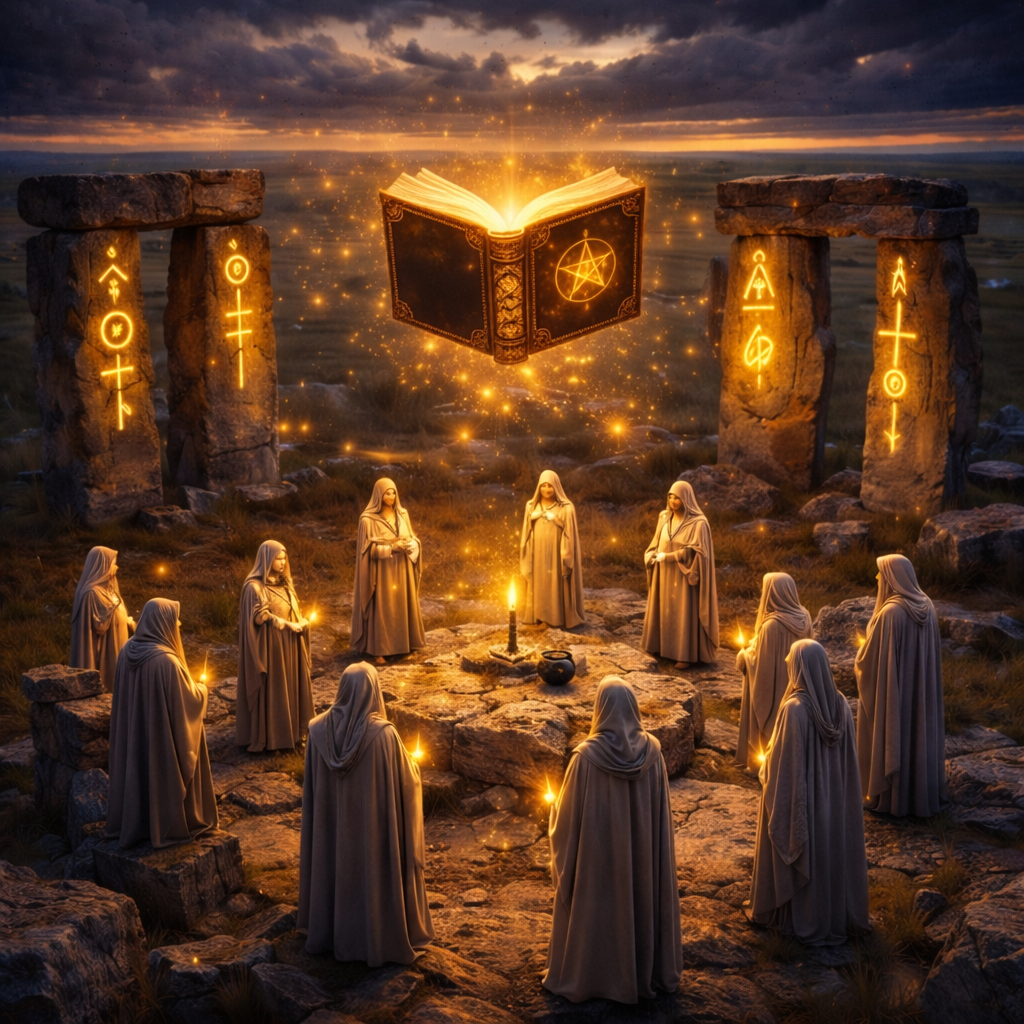

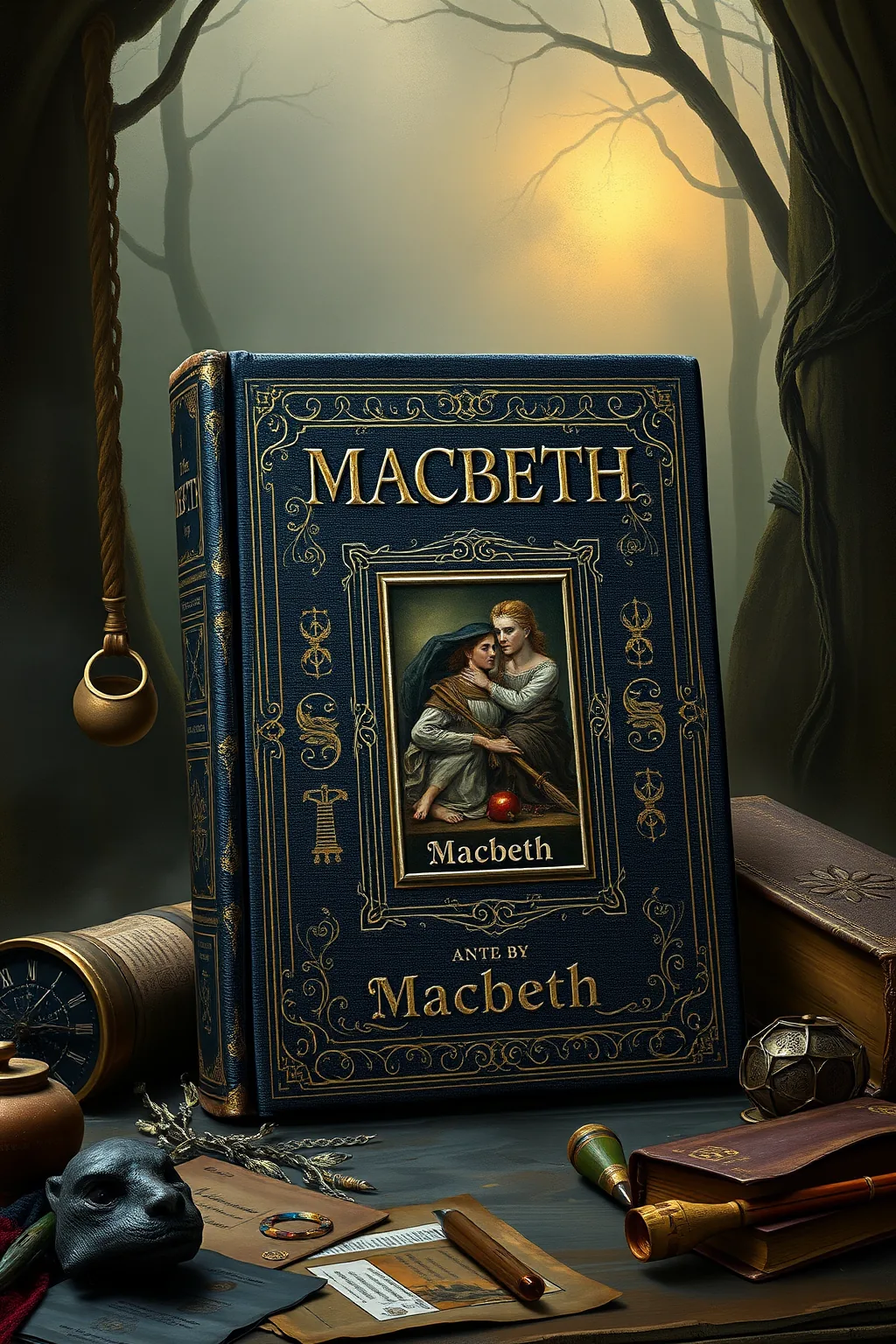
By Isolde Whitaker, Sacred Texts Editor—Macbeth transcends its literary origins to emerge as a potent grimoire of psychological and spiritual warfare. Eschewing simplistic interpretations, this edition illuminates the intricate tapestry of Scottish witchcraft, the elemental power of the Weird Sisters, and the profound symbolism of blood and ambition. Its strength lies in revealing the subtle interplay between prophecy and the erosion of moral compass. This is essential reading for occult scholars and practitioners interested in the performative aspects of magic and the potent influence of fate. It offers a sophisticated lens through which to examine the darker facets of human nature and the ancient pacts that bind us.
📝 Description
61
This 1606 play examines ambition's dark side and supernatural influence.
Macbeth, a tragedy from around 1606, examines how ambition can lead to regicide and a descent into moral corruption. The play does not simply recount the events of Duncan's murder; it also scrutinizes the role of potent sorcery, the persuasive nature of prophecy, and the psychological impact of guilt. Within its text are ancient archetypes and symbols that suggest a collision between fate and individual choice. The atmosphere of the play is heavy with a sense of impending doom, where supernatural elements intertwine with human actions.
This work is for readers interested in occult philosophy, the dynamics of power, and the conflict between external pressures and internal struggles. It prompts reflection on the consequences of unchecked desire and the forces that shape human destiny. The narrative serves as a study of forbidden knowledge and its perilous acquisition.
This play engages with themes often found in Western esotericism, particularly concerning the nature of fate, the influence of unseen forces, and the power of prophecy. The witchcraft and the witches' pronouncements touch upon folk magic and divination traditions. The play also reflects a broader cultural interest in the occult and the darker aspects of human nature that were present in the early modern period, aligning with an esoteric concern for hidden knowledge and spiritual forces.
💡 Why Read This Book?
Uncover the hidden currents of fate and the intoxicating allure of forbidden power. This text offers a profound look at the mechanics of ambition, the influence of divination, and the psychological impact of dark deeds. Ideal for seekers of esoteric wisdom, scholars of occult literature, and practitioners who wish to understand the archetypal forces at play in human affairs.
⭐ Reader Reviews
Honest opinions from readers who have explored this book.
❓ Frequently Asked Questions
What is the primary esoteric theme explored in Macbeth?
The primary esoteric theme is the potent intersection of prophecy, ambition, and free will, examining how external supernatural forces can influence human decisions and lead to profound moral and spiritual consequences.
Who are the 'Weird Sisters' and what is their significance?
The 'Weird Sisters' are ancient, ambiguous supernatural beings whose prophecies act as catalysts for Macbeth's ambition. They represent the forces of fate, chaos, and the liminal space between the known and the unknown, embodying the power of suggestion and foreknowledge.
How does the play explore the concept of 'power' in an esoteric sense?
The play explores power not just as political dominion, but as the intoxicating and corrupting influence of ambition, the manipulation of others, and the dangerous allure of seeking power through unnatural or forbidden means, often at a great spiritual cost.
What is the symbolic importance of blood in Macbeth?
Blood is a pervasive symbol representing guilt, lineage, violence, and the indelible stain of sin. It signifies the irreversible nature of Macbeth's actions and the psychological burden that follows his bloody ascent to power.
Can Macbeth be considered a ritualistic text?
While not a formal grimoire, Macbeth functions as a dramatic ritual, exploring archetypal patterns of ambition, descent into darkness, and the manipulation of fate, offering insights into the psychological and symbolic rituals of power and transgression.
🔮 Key Themes & Symbolism
The Allure and Peril of Prophecy
This theme studies the potent and often dangerous influence of foreknowledge. The prophecies delivered by the Weird Sisters act not merely as predictions, but as insidious whispers that ignite Macbeth's latent ambition. The text explores how the interpretation and pursuit of prophecy can become a self-fulfilling mechanism, leading individuals down paths of destruction. It questions whether destiny is predetermined or if the knowledge of the future itself becomes the architect of one's downfall, highlighting the fine line between divine insight and infernal temptation.
The Corrosive Nature of Ambition
Fundamentally, Macbeth is a stark examination of unchecked ambition and its capacity to corrupt the noblest of souls. This theme explores the psychological transformation that occurs when desire for power overrides moral integrity. The text illustrates how the pursuit of a crown can erode conscience, sever familial bonds, and lead to a descent into paranoia and tyranny. It serves as a potent cautionary tale, revealing the spiritual and psychological cost of achieving power through illicit and violent means, emphasizing how the inner darkness can manifest external devastation.
The Interplay of Fate and Free Will
This central theme grapples with the eternal question of whether our lives are preordained or if we possess genuine agency. The prophecies of the Weird Sisters present a façade of immutable fate, yet Macbeth's choices and actions are what ultimately seal his doom. The text invites contemplation on the extent to which external forces shape our destiny versus our own decisions and moral compass. It posits that while external influences may nudge us, our ultimate trajectory is often determined by the choices we make in response to those pressures.
💬 Memorable Quotes
Direct passages from the work, attributed to the author.
“Fair is foul, and foul is fair.”
— A foundational paradox suggesting that appearances are deceiving, and what seems good may be evil, and vice versa. It introduces the theme of moral ambiguity and supernatural inversion.
“Is this a dagger which I see before me, The handle toward my hand?”
— This iconic line reveals Macbeth's descent into madness and guilt, hallucinating the instrument of his impending crime. It signifies the psychological manifestation of his dark intent.
“All the perfumes of Arabia will not sweeten this little hand.”
— Lady Macbeth's desperate lament, illustrating the profound and indelible stain of guilt. It signifies the psychological burden that even immense wealth or power cannot erase.
“Tomorrow, and tomorrow, and tomorrow, Creeps in this petty pace from day to day.”
— A profound expression of existential despair and the perceived futility of life. It reflects Macbeth's realization of the emptiness and meaninglessness of his reign.
“Things at the worst will spring up or wear themselves out.”
— A glimmer of hope or resignation, suggesting that even in dire circumstances, there is a natural progression towards change or resolution. It speaks to the cyclical nature of fortune.
🌙 Esoteric Significance
Tradition
Macbeth resonates deeply with the Western Esoteric Tradition, particularly its exploration of witchcraft, divination, and the psychological effects of pacts with darker forces. It touches upon themes found in folk magic, pre-Christian belief systems, and the burgeoning interest in demonology of the era, offering a dramatic portrayal of how supernatural influences can intertwine with human ambition.
Symbolism
The play is rich with potent symbolism: blood signifies guilt and lineage; daggers represent violent intent and psychological projection; sleep symbolizes innocence and peace, the loss of which signifies profound disturbance; castles and crowns embody corrupted power; and the 'unsexing' of Lady Macbeth speaks to the subversion of natural order. The Weird Sisters themselves are archetypal figures of fate and chaos.
Modern Relevance
The enduring relevance of Macbeth lies in its exploration of universal human desires and fears: the lust for power, the temptation of forbidden knowledge, the psychological toll of guilt, and the timeless debate between fate and free will. These themes continue to resonate in contemporary society, offering useful insights into leadership, morality, and the human condition, making it a constant subject of analysis and interpretation.
👥 Who Should Read This Book
This rendition of Macbeth is a treasure for seasoned occult scholars seeking deeper symbolic meaning, students of esoteric literature interested in the historical context of magic and belief, and spiritual seekers drawn to explorations of fate, ambition, and moral consequence. For practitioners, it offers a dramatic case study in the potential pitfalls of unchecked desire and the influence of unseen forces. Even for the casual reader, it provides a compelling narrative that prompts profound reflection on the darker aspects of human nature and the supernatural.
📜 Historical Context
Written around the early 17th century, Macbeth emerged during a period of intense interest in witchcraft, demonology, and the supernatural in England. The reign of King James I, an avid writer on the subject of witchcraft, cast a long shadow, influencing the play's themes and its depiction of sorcery. The political climate, marked by anxieties surrounding succession and the potential for regicide, also lent a palpable urgency to the narrative. The play reflects the era's fascination with fate, divine right, and the perceived influence of darker forces on human affairs. Its enduring power lies in its ability to tap into these historical anxieties while exploring timeless themes of ambition and consequence.
📔 Journal Prompts
Reflect on a time when a prophecy or strong premonition significantly influenced your decisions. How did it shape your actions, and were the outcomes as expected?
Explore the concept of 'fair is foul, and foul is fair' in your own life or in current events. Identify situations where appearances are deceptive or where the lines between good and evil are blurred.
Consider the nature of ambition. When does it become a destructive force, and what are the internal and external signs that ambition has crossed into dangerous territory?
Meditate on the symbolism of blood in Macbeth. How does the concept of 'stain' or 'indelible mark' relate to personal guilt or past actions in your own experience?
Imagine you are one of the Weird Sisters. What unseen forces do you believe influence human behavior today, and how do they manifest?
🗂️ Glossary
Weird Sisters
Ambiguous, supernatural beings who prophesy Macbeth's future. They represent fate, chaos, and the uncanny, embodying the power of foreknowledge and its seductive influence.
Prophecy
A foretelling of future events, often delivered by supernatural or divine means. In Macbeth, prophecies act as catalysts for ambition and influence the protagonist's decisions and descent.
Regicide
The act of killing a king. This is the central crime that drives the plot and Macbeth's subsequent reign of terror and psychological torment.
Somnambulism
Sleepwalking. Lady Macbeth's somnambulism is a manifestation of her overwhelming guilt and psychological distress, revealing her inner turmoil.
Apparition
A ghostly or supernatural figure. In Macbeth, apparitions and visions (like the dagger) represent the psychological impact of guilt and the influence of the supernatural.
This book appears in 2 collections
🔮 Readers Also Liked
Browse all →







From the “Ceremonial Magic” Collection
View all →






More Free Magic & Ritual Books
View all →