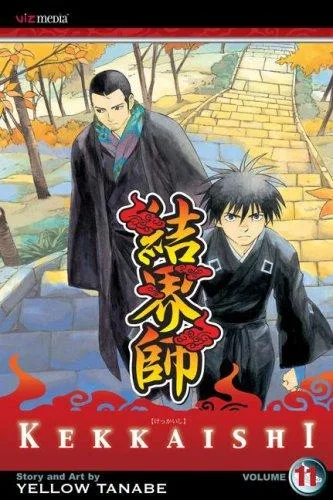
Kekkaishi
 81
81

Kekkaishi
Yellow Tanabe's Kekkaishi presents a compelling vision of spiritual warfare, grounded in a unique system of barrier magic. The series excels in depicting the weight of Yoshimori's inherited duty, particularly as he grapples with his growing power and the sacrifices it demands. A standout element is the portrayal of the rival Karasumori clan, whose differing philosophy on handling Ayakashi introduces genuine ethical friction. However, the sheer scope of the Ayakashi threat and the proliferation of secondary Kekkaishi groups occasionally dilute the narrative focus. The arc involving the 'shadows' or corrupted Kekkaishi, while thematically rich, can feel somewhat overextended. Despite these points, the execution of the Kekkai system itself, with its tangible visual representation and tactical application, remains a significant strength. Kekkaishi offers a sophisticated exploration of destiny and responsibility, framed within an engaging supernatural conflict.
📝 Description
81
### What It Is Kekkaishi, by Yellow Tanabe, is a manga series that began serialization in 2008. It chronicles the life of Yoshimori Sumimura, a young man tasked with protecting his clan's land from supernatural entities and rival factions. The narrative centers on the art of Kekkaishi, a specialized form of spiritual engineering that involves the creation of "Kekkai" – spiritual barriers – to seal away malevolent forces known as "Ayakashi."
### Who It's For This series is for readers who appreciate intricate world-building and character development within a supernatural action framework. It appeals to those interested in the philosophical underpinnings of spiritual combat, the burden of inherited responsibility, and the ethical dilemmas that arise when wielding protective or destructive powers. Fans of detailed magic systems and morally grey characters will find much to engage with.
### Historical Context Published in the post-millennial era, Kekkaishi emerged during a period when manga exploring complex spiritual and philosophical themes gained international traction. While not directly tied to a specific historical movement, its themes of inherited duty and clan conflict can be seen as echoing broader narratives found in Japanese folklore and samurai epics. The series' exploration of spiritual purification and barrier magic taps into enduring occult interests, a fascination present since at least the writings of Eliphas Lévi in the 19th century.
### Key Concepts The core of Kekkaishi revolves around the practice of "Kekkaijutsu," the art of creating spiritual barriers. This involves manipulating "Karatsu," the spiritual energy inherent in all things, to form seals and traps. The "Ayakashi" are corrupted spiritual beings that are drawn to locations with strong spiritual energy, particularly the Sugaru region, where the main clan resides. Yoshimori, as a Kekkaishi, must purify these Ayakashi or seal them away, often facing off against other Kekkaishi schools with differing ideologies and methods.
💡 Why Read This Book?
• You will learn about the intricate system of "Kekkaijutsu," the spiritual barrier magic developed by the Sumimura clan, understanding its application in sealing "Ayakashi" from Chapter 1 onwards. • You will explore the philosophical conflict between the Sumimura and Karasumori clans regarding the purification and containment of spiritual entities, as depicted in their early confrontations. • You will feel the palpable burden of inherited duty placed upon Yoshimori Sumimura, a theme central to his character development throughout the series' run starting in 2008.
⭐ Reader Reviews
Honest opinions from readers who have explored this book.
❓ Frequently Asked Questions
What is the primary role of a Kekkaishi?
A Kekkaishi's primary role is to protect sacred land, like the Karasumori site, from "Ayakashi" – corrupted spiritual entities. They use "Kekkaijutsu" to create spiritual barriers, seal, or purify these beings.
When did Kekkaishi first begin serialization?
Kekkaishi by Yellow Tanabe began its serialization in 2008 in Shogakukan's Weekly Shonen Sunday magazine.
What are "Ayakashi" in the context of Kekkaishi?
"Ayakashi" are malevolent spiritual beings drawn to areas with strong spiritual energy, like the Karasumori site. They are the primary antagonists that Kekkaishi are tasked with confronting and neutralizing.
Are there different schools or types of Kekkaishi?
Yes, the series introduces multiple Kekkaishi clans and factions, most notably the rival Karasumori clan, who possess different philosophies and techniques for dealing with "Ayakashi" and spiritual energy.
What is the significance of the "Kekkai"?
"Kekkai" are spiritual barriers created by Kekkaishi. They serve various functions, including sealing "Ayakashi," trapping opponents, purifying energy, and protecting specific areas or individuals.
Does Kekkaishi explore themes beyond supernatural combat?
Absolutely. The series delves into themes of inherited responsibility, the ethics of power, the nature of good and evil, and the personal sacrifices required to fulfill one's duty, particularly for Yoshimori Sumimura.
🔮 Key Themes & Symbolism
Inherited Duty and Sacrifice
The narrative strongly emphasizes the burden of inherited responsibility, primarily through Yoshimori Sumimura, who is bound by his clan's centuries-old duty to protect the Karasumori site. This duty often conflicts with his personal desires and forces him into situations demanding immense sacrifice, both physically and emotionally. The series explores the psychological toll this inherited role takes, contrasting Yoshimori's struggle with the expectations placed upon him by his family and the esoteric traditions of his lineage. His journey is one of accepting and defining this duty on his own terms.
The Nature of Purity and Corruption
Kekkaishi interrogates the concepts of purity and corruption through the "Ayakashi" and the methods used to deal with them. While "Ayakashi" are presented as inherently malevolent, the series also hints at their origins and the potential for corruption within the Kekkaishi themselves. The distinction between purifying and merely sealing away "Ayakashi" becomes a point of contention, particularly between the Sumimura and Karasumori clans. This theme extends to the human characters, questioning what constitutes true purity and the ethical implications of wielding power that can destroy or cleanse.
Spiritual Energy and Barrier Arts
At its core, Kekkaishi is about the manipulation of "Karatsu," a fundamental spiritual energy. The practice of "Kekkaijutsu," the art of creating spiritual barriers, is meticulously detailed, offering a unique magical system. These barriers are not mere constructs but active tools for defense, offense, and purification. The series explores the physics and metaphysics of this energy, its sources, and its limitations. The visual representation of these "Kekkai" and their interaction with "Ayakashi" forms a significant part of the series' aesthetic and conceptual framework.
Clan Conflict and Ideology
The ongoing rivalry between the Sumimura and Karasumori clans serves as a primary narrative driver. Their differing ideologies on how to manage the spiritual energy of the Karasumori site and the "Ayakashi" that inhabit it create significant conflict. The Sumimura clan focuses on sealing and purification, while the Karasumori clan advocates for a more forceful, sometimes destructive, approach. This ideological battle highlights the complexities of dealing with supernatural phenomena and raises questions about the best path forward, forcing Yoshimori to confront alternative viewpoints.
💬 Memorable Quotes
“The land itself is impure. It calls to the Ayakashi.”
— This statement highlights the central premise: the Karasumori site possesses a unique spiritual resonance that attracts malevolent entities. It underscores the inherent danger and the necessity of the Kekkaishi's work to maintain balance and prevent spiritual contamination.
“My duty is to protect this land, no matter the cost to myself.”
— This paraphrased sentiment encapsulates Yoshimori's core internal conflict. It reflects the immense personal sacrifice demanded by his inherited role as a Kekkaishi, often pitting his personal well-being and desires against the overwhelming responsibility he carries.
“There are many ways to purify. Not all are gentle.”
— This interpretation points to the differing philosophies on handling "Ayakashi." It suggests that the methods employed by various Kekkaishi factions, including the Karasumori clan, can range from subtle cleansing to more aggressive, potentially destructive, means of spiritual resolution.
“The Kekkai are not just barriers; they are extensions of the Kekkaishi's will.”
— This concept emphasizes the active nature of the spiritual barriers. It implies that the "Kekkai" are imbued with the Kekkaishi's intent and power, making their creation and manipulation a deeply personal and potent act of spiritual expression.
“What is the true nature of the Ayakashi? Are they merely monsters, or something more?”
— This question, posed by characters reflecting on the antagonists, delves into the deeper lore. It suggests that the "Ayakashi" might not be simple evil entities but possess a more complex origin or nature, prompting investigation into their existence beyond mere destruction.
🌙 Esoteric Significance
Tradition
Kekkaishi draws loosely from East Asian spiritual traditions, particularly Shintoism and folk magic, concerning spirits and purification rituals. While not strictly adhering to a single lineage like Hermeticism or Gnosticism, its focus on manipulating unseen energies ("Karatsu") and creating protective wards ("Kekkai") aligns with broader concepts of energy work found in various esoteric practices worldwide. The series presents a unique, manga-specific interpretation of spiritual mechanics, emphasizing discipline and intent in the creation of these esoteric constructs.
Symbolism
The "Kekkai" (spiritual barriers) are central symbols, representing order, containment, and the Kekkaishi's will imposed upon chaotic spiritual forces. The "Ayakashi" symbolize corruption, impurity, and the destructive potential of uncontrolled spiritual energy. The Karasumori site itself acts as a nexus of spiritual power, a focal point for the conflict between order and chaos, purity and defilement, mirroring sacred geography concepts found in many traditions.
Modern Relevance
Contemporary discussions around energy work, manifestation, and the psychological aspects of spiritual practice can find parallels in Kekkaishi. The series' detailed depiction of "Kekkaijutsu" resonates with modern practitioners interested in visualization and focused intent. While not directly cited by specific contemporary occult thinkers, its popularity contributes to a broader cultural interest in intricate magical systems and the ethical considerations of wielding supernatural abilities, reflecting a continued fascination with the unseen.
👥 Who Should Read This Book
• Fans of intricate magic systems: Readers who enjoy detailed explanations of how supernatural powers function and are applied tactically will appreciate the "Kekkaijutsu" system. • Students of comparative spirituality: Those interested in how Eastern spiritual concepts like purification and spirit interaction are depicted in modern media will find the series insightful. • Readers drawn to themes of destiny and responsibility: Individuals who appreciate character-driven narratives exploring the weight of inherited duty and the personal sacrifices required to fulfill it will connect with Yoshimori's journey.
📜 Historical Context
Yellow Tanabe's Kekkaishi emerged in 2008, a period when manga exploring intricate magic systems and supernatural conflicts were finding a significant global audience. While the series doesn't directly align with a specific historical occult movement, its exploration of spiritual energy manipulation and barrier construction taps into perennial esoteric interests, echoing themes found in earlier occult literature and Eastern spiritual practices. Contemporaries like Rumiko Takahashi with *Inuyasha* (serialized 1996-2008) also engaged with Japanese folklore and supernatural battles, though Kekkaishi distinguished itself with its more structured, almost architectural, approach to spiritual defense. The manga's success indicates a sustained reader appetite for narratives that blend action with detailed, quasi-mystical systems, a fascination present since at least the Theosophical Society's peak influence in the late 19th and early 20th centuries.
📔 Journal Prompts
The concept of "Kekkaijutsu" as a form of spiritual architecture.
Yoshimori's internal conflict between personal desire and inherited duty.
The differing philosophies of the Sumimura and Karasumori clans regarding "Ayakashi."
The symbolic representation of "Ayakashi" as manifestations of spiritual imbalance.
Reflecting on the personal cost of wielding significant power, as seen with Yoshimori.
🗂️ Glossary
Kekkaishi
A practitioner trained in "Kekkaijutsu," tasked with protecting specific sacred sites from "Ayakashi" and other spiritual threats. The title refers to the protagonist's lineage.
Kekkai
A spiritual barrier or seal created by a Kekkaishi. These can take various forms and serve multiple purposes, including trapping, defense, and purification.
Kekkaijutsu
The art or technique of creating and manipulating "Kekkai." It involves channeling "Karatsu" (spiritual energy) with precise intent and control.
Ayakashi
Malevolent spiritual entities attracted to areas of strong spiritual energy. They are the primary antagonists that Kekkaishi combat and seal away.
Karatsu
The fundamental spiritual energy that permeates all things. Kekkaishi manipulate "Karatsu" to perform "Kekkaijutsu."
Karasumori
The name of the sacred site that is the focus of the story, drawing "Ayakashi." It also refers to the rival clan that opposes the Sumimura clan's methods.
Sumimura
The clan to which the protagonist, Yoshimori, belongs. They are the hereditary "Kekkaishi" responsible for protecting the Karasumori site using their specific techniques.