Glamorous sorcery
 61
61

Glamorous sorcery


Balthazar Finch (Senior Critic, Occult Philosophy) — David Rollo's 'Glamorous Sorcery' is a revelation, piercing the veil of medieval intellectual history to expose the deep-seated belief in the magical potency of writing. He astutely demonstrates how literacy was not merely a tool but a source of profound, almost occult, power, shaping status and perception. Rollo's analysis of textual metaphors as expressions of sorcery is both erudite and deeply resonant with esoteric principles. This book is essential for anyone seeking to understand the foundations of Western intellectual mysticism and the enduring allure of the written word as a vessel of hidden knowledge. A truly illuminating contribution.
📝 Description
61
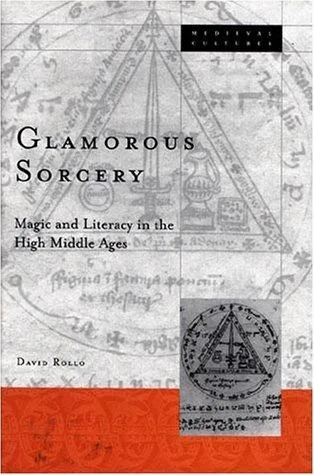
Delve into the arcane heart of the High Middle Ages with David Rollo's 'Glamorous Sorcery.' This illuminating work unearths the profound mystical currents that flowed through the very act of writing and literacy in England and the Angevin Empire. Rollo masterfully dissects Latin texts and the works of the Old English tradition, revealing how language itself was perceived as a potent, sorcerous force. Explore the alchemical transformations of thought into script, the power attributed to the written word in shaping perception, and the elevation of the literate elite to positions of almost magical authority. This is not merely a historical study; it's an invitation to witness the birth of intellectual power, where the scribal hand wielded enchantments that could bind minds and shape realities. For the seeker of hidden knowledge, the scholar of forgotten lore, and anyone fascinated by the potent symbiosis of language and power, 'Glamorous Sorcery' offers a rare glimpse into a world where the written word was truly a conduit for the ineffable.
✍️ Author
David Rollo
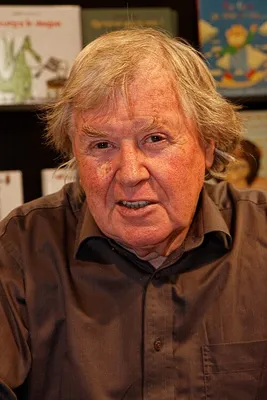
David John McKee (2 January 1935 – 6 April 2022), was a British writer and illustrator, chiefly of children's books and animations. For his contribution as a children's illustrator, he was UK nominee for the biennial international Hans Christian Andersen Award in 2006.
💡 Why Read This Book?
Uncover the ancient perception of writing as a form of sorcery. Discover how language conferred status and shaped reality in the High Middle Ages. Ideal for scholars of esoteric history, literature enthusiasts, and seekers of hidden knowledge who wish to understand the mystical foundations of intellectual power.
⭐ Reader Reviews
Honest opinions from readers who have explored this book.
❓ Frequently Asked Questions
What is the central thesis of 'Glamorous Sorcery'?
The book argues that in the High Middle Ages, writing and literacy were often metaphorically understood as forms of sorcery, endowing those who possessed these skills with significant power and status.
Which historical period does the book focus on?
The book primarily examines texts and intellectual currents from the High Middle Ages, specifically within England and the Angevin Empire.
What kind of texts are analyzed?
David Rollo scrutinizes both Latin texts and works from the Old English tradition, looking for metaphors and representations of writing as magical.
Who would benefit most from reading this book?
Scholars of medieval literature and history, students of the history of knowledge, and anyone interested in the esoteric dimensions of language and power will find this book invaluable.
Does the book offer practical magical advice?
No, 'Glamorous Sorcery' is an academic and historical analysis of how magic was perceived in relation to writing, not a grimoire or a guide to practical magic.
🔮 Key Themes & Symbolism
The Sorcery of Script
This theme delves into the profound perception of writing as a form of arcane art in the High Middle Ages. It examines how the act of inscription was imbued with mystical significance, mirroring the mysterious workings of sorcery. Rollo illustrates how the transformative power of language, from abstract thought to tangible text, was seen as akin to magical conjuration, capable of shaping perceptions and conferring status upon its wielders. The very formation of letters and the arrangement of words held a potent symbolism, suggesting a hidden order and a capacity to influence the world.
Literacy as a Gateway to Power
The book explores the elevated status and authority granted to those who possessed literacy in medieval society. Rollo demonstrates how the ability to read and write was not merely a practical skill but a form of intellectual sorcery, granting access to hidden knowledge and the power to manipulate information. This control over the written word translated into social and political influence, positioning the literate elite as conduits of profound wisdom and authority, akin to ancient mystics or sorcerers who commanded unseen forces.
Metaphors of Enchantment
Central to Rollo's analysis are the rich metaphors employed in medieval texts that equate writing with magical practices. Through meticulous textual exegesis, the book uncovers how concepts like incantation, enchantment, and arcane knowledge were interwoven with discussions of literacy. These metaphors reveal a deep-seated cultural understanding where the creation and interpretation of texts were seen as potent acts, capable of weaving spells, revealing secrets, and altering the fabric of reality. The analysis highlights the very essence of intellectual alchemy.
💬 Memorable Quotes
“Writing was not merely ink on parchment; it was a form of binding.”
— This suggests that the act of writing held a power to fix, preserve, and even control thoughts and ideas, akin to a sorcerer binding spirits or spells.
“The literate elite wielded the language of the gods.”
— This highlights the perceived divine or sacred nature of written knowledge and the elevated status of those who could access and interpret it.
“Words became incantations shaping the perceived world.”
— This emphasizes the performative and transformative power of language, suggesting that written words could actively influence how reality was understood and experienced.
“The scribe's hand was a conduit for hidden truths.”
— This points to the belief that the act of writing could reveal esoteric knowledge, acting as a bridge between the mundane and the mystical.
“Literacy conferred a glamour, a potent aura of authority.”
— This interpretation connects literacy with an almost magical allure and power, suggesting it granted individuals an undeniable presence and influence.
🌙 Esoteric Significance
Tradition
The esoteric significance of 'Glamorous Sorcery' lies in its exploration of the conceptual link between Gnosticism, Hermeticism, and medieval intellectual traditions. It reveals how the veneration of knowledge, the power of the 'logos' (the word), and the transformative potential of symbols, central to these esoteric streams, found expression in the medieval perception of writing. The book unearths a proto-esotericism embedded within the very foundations of Western intellectual history, where the mastery of language was seen as a path to hidden wisdom and a means of influencing reality.
Symbolism
The core symbolism revolves around the written word as a potent, almost alchemical, agent of transformation. Letters and texts are depicted as sigils capable of conjuring meaning, binding ideas, and bestowing status. The act of writing itself becomes a ritual, mirroring the creation of the cosmos or the casting of spells. The parchment or vellum is the canvas for this arcane operation, and the ink the very essence of this magical power, capable of imbuing abstract thought with tangible force and enduring presence.
Modern Relevance
In our digital age, where information is ubiquitous and seemingly ephemeral, 'Glamorous Sorcery' offers a profound reminder of the inherent power and significance of language. It encourages a re-evaluation of our relationship with the written word, urging us to recognize its capacity to shape perception, confer authority, and influence culture. The book's exploration of how language was once perceived as a potent, even magical, force resonates with contemporary discussions on rhetoric, propaganda, and the manipulation of information in the digital sphere.
👥 Who Should Read This Book
This book is a treasure trove for several distinct groups. For **scholars of medieval history and literature**, it offers a novel perspective on intellectual life and the sociology of knowledge. **Seekers of esoteric wisdom** will find fascinating parallels between medieval concepts of writing and ancient traditions of magical language. **Practitioners of occult arts** might draw inspiration from the historical understanding of how language was perceived as a source of power. **General readers** with an interest in the deeper, often overlooked, currents of history and the power of words will find 'Glamorous Sorcery' both enlightening and captivating.
📜 Historical Context
The High Middle Ages (roughly 11th to 13th centuries) was a period of significant intellectual and cultural ferment in Europe, particularly within the Angevin Empire and England. This era witnessed the burgeoning of scholasticism, the establishment of universities, and a renewed interest in classical learning. Amidst this intellectual awakening, literacy, while still a specialized skill, began to gain broader significance. Rollo's work situates the perception of writing as sorcery within this context, suggesting that as the power of the written word grew, so too did its mystique. The metaphors of magic were not mere fanciful embellishments but reflections of a society grappling with the burgeoning influence of written knowledge and the authority it conferred upon a select few. This period saw the increasing professionalization of scribal arts and the development of complex administrative and legal systems reliant on written documentation, further solidifying the perceived power of script.
📔 Journal Prompts
How does the modern perception of 'influencers' echo the medieval concept of literate authority?
In what ways do we still imbue certain forms of writing with a 'magical' quality today?
Reflect on a time when written words significantly shaped your perception of reality or a person.
Consider the power of a handwritten letter versus a digital message; where does the 'magic' lie?
If language is indeed a form of sorcery, what ethical considerations should guide its use?
🗂️ Glossary
Angevin Empire
A vast medieval territory ruled by the English monarchy, encompassing England and significant parts of France, during the High Middle Ages.
Logos
A Greek philosophical and theological term referring to the divine reason or order that permeates the universe, often associated with the power of the word or speech.
Scholasticism
A medieval method of critical thought which emphasized dialectical reasoning and the analysis of texts to understand complex philosophical and theological questions.
Sigil
In esoteric traditions, a symbol created with the intention of embodying a specific magical purpose or wish, often used in ritual magic.
Hermeticism
A philosophical and religious tradition based on writings attributed to Hermes Trismegistus, emphasizing esoteric knowledge, alchemy, and the divine nature of the cosmos.