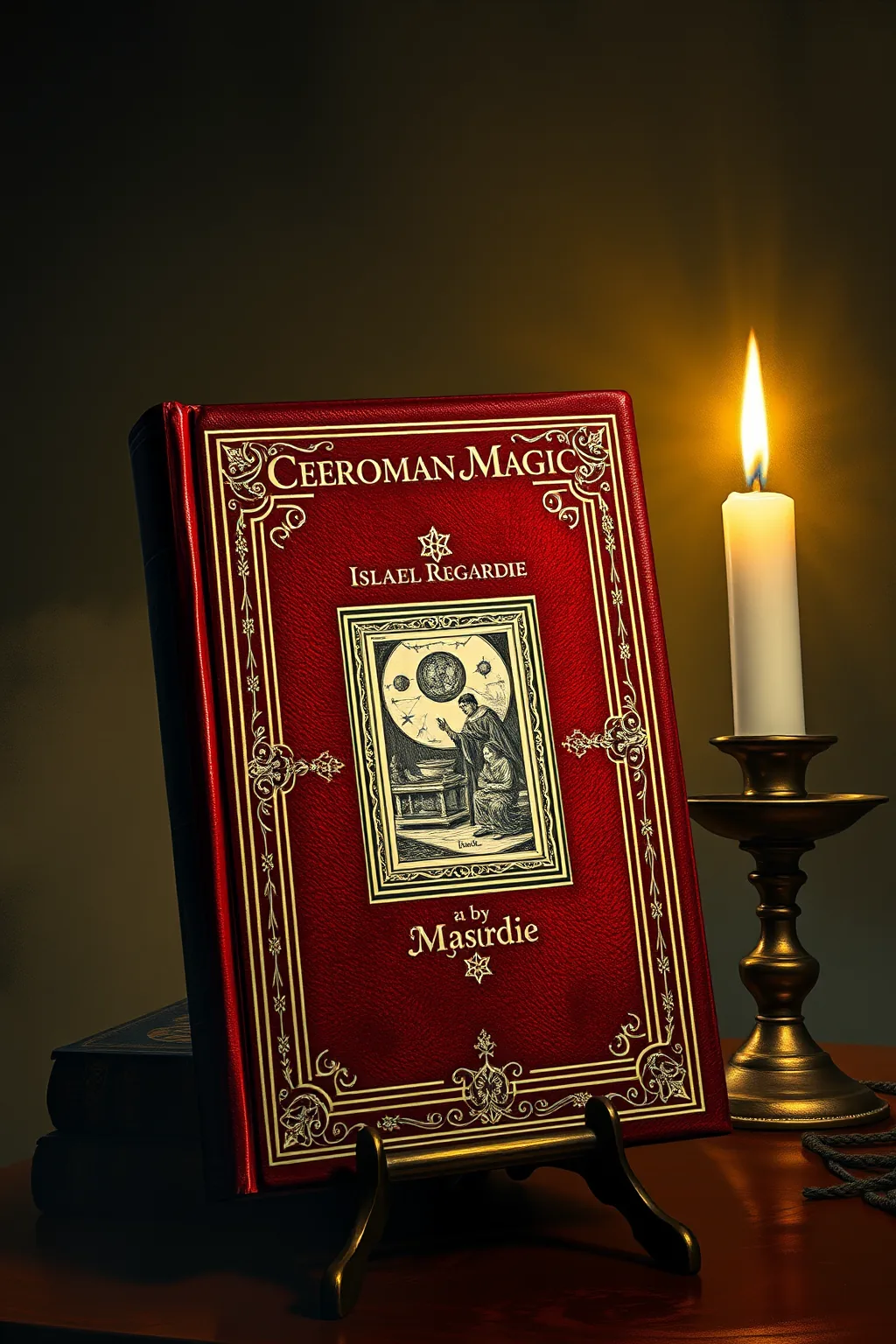
A certain magical index

 81
81

A certain magical index
Kazuma Kamachi's 'A Certain Magical Index' presents a fascinating, if dense, taxonomy of magical thought. The strength lies in its comprehensive cataloging, offering a rare overview of disparate esoteric traditions under one umbrella. However, its primary limitation is a certain dryness; the academic tone, while informative, can sometimes obscure the lived experience of magical practice. A particularly insightful section details the theoretical differences between solomonic magic and alchemical transmutation, highlighting Kamachi's nuanced grasp. While it doesn't 'resonate deeply' with the mystical heart, it serves as an invaluable reference for the discerning occult scholar. It is a meticulously organized compendium for the serious student.
📝 Description
81
Kazuma Kamachi's 'A Certain Magical Index' was published in 2015, detailing arcane principles.
'A Certain Magical Index,' written by Kazuma Kamachi and released in 2015, systematically examines occult philosophy. The book moves beyond simple historical surveys to construct a framework for understanding magical phenomena. It features a thorough catalog of diverse esoteric traditions and their core beliefs, making it a resource for those interested in the structure of magical systems.
This work is suited for dedicated students of the occult and comparative mysticism who appreciate a structured, analytical approach to esoteric subjects. Readers interested in the connections between various magical systems, from historical rituals to contemporary ceremonial practices, will find considerable value. Kamachi's text scrutinizes concepts like sympathetic magic, the laws of correspondence, and how intention influences magical outcomes. It also addresses the classification of magical energies and the theoretical bases for different spellcasting methods, along with the historical and philosophical foundations of various magical orders.
Published in 2015, 'A Certain Magical Index' appeared during a resurgence of interest in occult studies. This period saw increased academic attention and online discourse concerning previously overlooked spiritual and magical traditions. Kamachi's book contributed to this by synthesizing elements from historical magic, referencing scholars like Richard Kieckhefer, and acknowledging the ongoing influence of movements such as the Theosophical Society. It sits within a tradition of cataloging and analyzing esoteric practices.
💡 Why Read This Book?
• Learn the fundamental principles of sympathetic magic, as detailed in the book's early chapters, enabling a deeper understanding of cause-and-effect in esoteric practices. • Grasp the historical trajectory of magical orders, particularly the discussion around the Hermetic Order of the Golden Dawn's influence in the late 19th century, providing context for modern occultism. • Understand the theoretical distinctions between ceremonial magic and folk magic, as Kamachi contrasts them, allowing for a more precise vocabulary when discussing esoteric phenomena.
⭐ Reader Reviews
Honest opinions from readers who have explored this book.
❓ Frequently Asked Questions
What is the primary focus of 'A Certain Magical Index'?
The book's primary focus is a systematic cataloging and analysis of various esoteric traditions and magical principles, aiming to provide a structured understanding of arcane concepts and practices.
Who is the author, Kazuma Kamachi?
Kazuma Kamachi is the author of 'A Certain Magical Index,' which was first published in 2015. He is known for his detailed approach to esoteric subjects.
Does the book discuss specific magical rituals?
Yes, the work explores the theoretical underpinnings of various spellcasting methodologies and ritualistic practices from different esoteric traditions.
Is 'A Certain Magical Index' suitable for beginners in occult studies?
While comprehensive, the book's academic tone and detailed analysis might be more suited for intermediate to advanced students of the occult seeking a structured overview.
What historical period does the book reference?
The book references a broad historical spectrum, touching upon ancient practices and examining their evolution through medieval alchemy and later ceremonial magic movements.
What distinguishes this book from other occult literature?
Its distinction lies in its systematic, almost encyclopedic approach to classifying and analyzing diverse magical systems, providing a comparative framework rather than a singular doctrine.
🔮 Key Themes & Symbolism
Systematic Cataloging
The work is characterized by its detailed and systematic approach to categorizing a wide array of esoteric traditions. Kamachi meticulously breaks down magical concepts, practices, and historical lineages, offering a comparative framework. This allows readers to see connections and distinctions between seemingly disparate systems, such as Hermeticism and Gnosticism, within a structured intellectual landscape. It moves beyond anecdotal evidence to provide a methodical overview.
Principles of Correspondence
A central theme is the exploration of the principles of correspondence, often summarized as 'as above, so below.' Kamachi examines how this concept manifests across different magical disciplines, from alchemical symbolism to astrological influences. The book provides theoretical explanations for how these perceived connections function within magical operations and worldviews, offering a structured understanding of esoteric causality.
Intent and Manifestation
The role of human intent in the process of magical manifestation is thoroughly investigated. The book analyzes how focused will and belief systems are theorized to interact with unseen forces or energies. Kamachi presents various perspectives on this subject, drawing from historical magical texts and philosophical discussions, providing a nuanced view on the psychology and metaphysics of magical effects.
Historical Lineages
Kamachi traces the historical development and evolution of various magical and esoteric schools. The text highlights key figures, movements, and texts that have shaped Western esotericism, offering insights into how traditions have been transmitted, adapted, and sometimes suppressed. This historical perspective provides context for contemporary practices and the enduring influence of ancient wisdom.
💬 Memorable Quotes
Direct passages from the work, attributed to the author.
“The classification of magical phenomena necessitates a rigorous examination of underlying principles.”
— This statement emphasizes the book's core methodology: applying systematic analysis to the study of magic. It suggests that understanding arcane arts requires more than just anecdotal experience; it demands a structured approach to identifying and categorizing fundamental concepts.
“Correspondence is not merely symbolic; it represents a fundamental operational law.”
— This interpretation highlights the book's view on the principle of correspondence. It posits that the connections observed between different levels of reality (e.g., macrocosm and microcosm) are not just metaphorical but are active forces within the magical framework.
“Each tradition offers a unique lens through which the universal currents can be perceived.”
— This idea suggests that while there may be underlying universal principles in magic, different esoteric systems provide distinct methods and perspectives for accessing and understanding these forces. It values diversity in approach within the broader esoteric landscape.
“The historical progression of magical thought reveals adaptive strategies to evolving paradigms.”
— This interpretation points to the book's exploration of how magical traditions have changed over time. It suggests that shifts in thinking and societal structures have influenced how magic is practiced and understood, with practitioners adapting their methods accordingly.
💡 Key Ideas
Editorial paraphrase of the work's core concepts — not direct quotes.
Intent acts as the fulcrum upon which magical energy is directed.
This paraphrased concept underscores the importance of the practitioner's will and focus in magical workings. It frames intent as the critical element that channels and directs the forces involved in manifesting a desired outcome.
🌙 Esoteric Significance
Tradition
This work functions within the broad lineage of Western Esotericism, specifically engaging with Hermeticism, ceremonial magic, and comparative mysticism. It departs from many traditions by adopting an almost academic, cataloging approach rather than focusing on initiation or direct practice. It seeks to map the terrain of esoteric knowledge, providing a framework for understanding diverse traditions, from ancient Kabbalistic concepts to later alchemical philosophies.
Symbolism
Key symbols explored include the Caduceus, representing Hermes Trismegistus and the balance of opposites, often interpreted as a symbol of communication and mediation between realms. The Ouroboros, the serpent eating its tail, is examined as a symbol of cyclical time, eternity, and the cyclical nature of creation and destruction within alchemical and Gnostic thought.
Modern Relevance
Contemporary practitioners and scholars of Western Esotericism, particularly those involved in comparative occult studies or developing new magical systems, draw upon 'A Certain Magical Index.' Its structured approach influences modern approaches to magical theory and classification, finding resonance with thinkers seeking to codify and understand the vast range of esoteric knowledge in the digital age.
👥 Who Should Read This Book
• Students of comparative religion and esoteric traditions seeking a structured overview of various magical systems and their theoretical underpinnings. • Occult practitioners interested in understanding the historical development and theoretical frameworks behind different magical disciplines, beyond their personal practice. • Researchers in the history of ideas and intellectual history looking for a systematic analysis of occult philosophies and their place within broader intellectual currents.
📜 Historical Context
Published in 2015, 'A Certain Magical Index' arrived during a period of significant resurgence in esoteric studies, often fueled by digital accessibility and a growing academic interest in non-Western and marginalized spiritualities. Kamachi's work emerged in dialogue with ongoing scholarly re-evaluations of Western esotericism, akin to the work being done by historians of magic like Owen Davies. The text's systematic approach offered a counterpoint to more purely experiential or devotional occult literature. While direct censorship was not a prominent issue for this particular publication in 2015, the broader academic reception of occult studies often navigated a complex terrain, balancing rigorous analysis with the inherent challenges of studying subjective belief systems. Its detailed cataloging provided a valuable reference point for comparative studies.
📔 Journal Prompts
The principles of correspondence as outlined in the text.
Your understanding of intent's role in manifestation.
The historical trajectory of a specific magical order discussed.
The concept of sympathetic magic in practice.
How the classification of esoteric traditions impacts one's worldview.
🗂️ Glossary
Sympathetic Magic
A type of magic based on the principle that like affects like, or that a person or object can affect another person or object without physical contact, through a supernatural bond or connection.
Hermeticism
A religious, philosophical, and esoteric tradition based on writings attributed to Hermes Trismegistus, a syncretic figure combining Greek Hermes and Egyptian Thoth. It emphasizes divine wisdom and the interconnectedness of all things.
Alchemy
An ancient tradition focused on the transformation of matter, often seeking to transmute base metals into gold, but also involving spiritual purification and the search for the elixir of life.
Gnosticism
A diverse set of religious and philosophical movements emphasizing personal spiritual knowledge (gnosis) for salvation. Gnostic systems often feature a complex cosmology involving a supreme deity and lesser divine beings.
Ceremonial Magic
A formalized system of magical practice involving specific rituals, incantations, tools, and correspondences, often aiming to invoke spirits or achieve specific spiritual or material goals.
Principle of Correspondence
The esoteric concept that there is a relationship or similarity between different areas of existence, often summarized by the Hermetic axiom 'As Above, So Below.'
Esotericism
Belief systems and practices that are on the fringes of mainstream religion and philosophy, often emphasizing hidden knowledge, mystical experiences, and secret traditions accessible only to initiates.
🔮 Readers Also Liked
Browse all →









More by 鎌池和馬
All books →
More Free Magic & Ritual Books
View all →