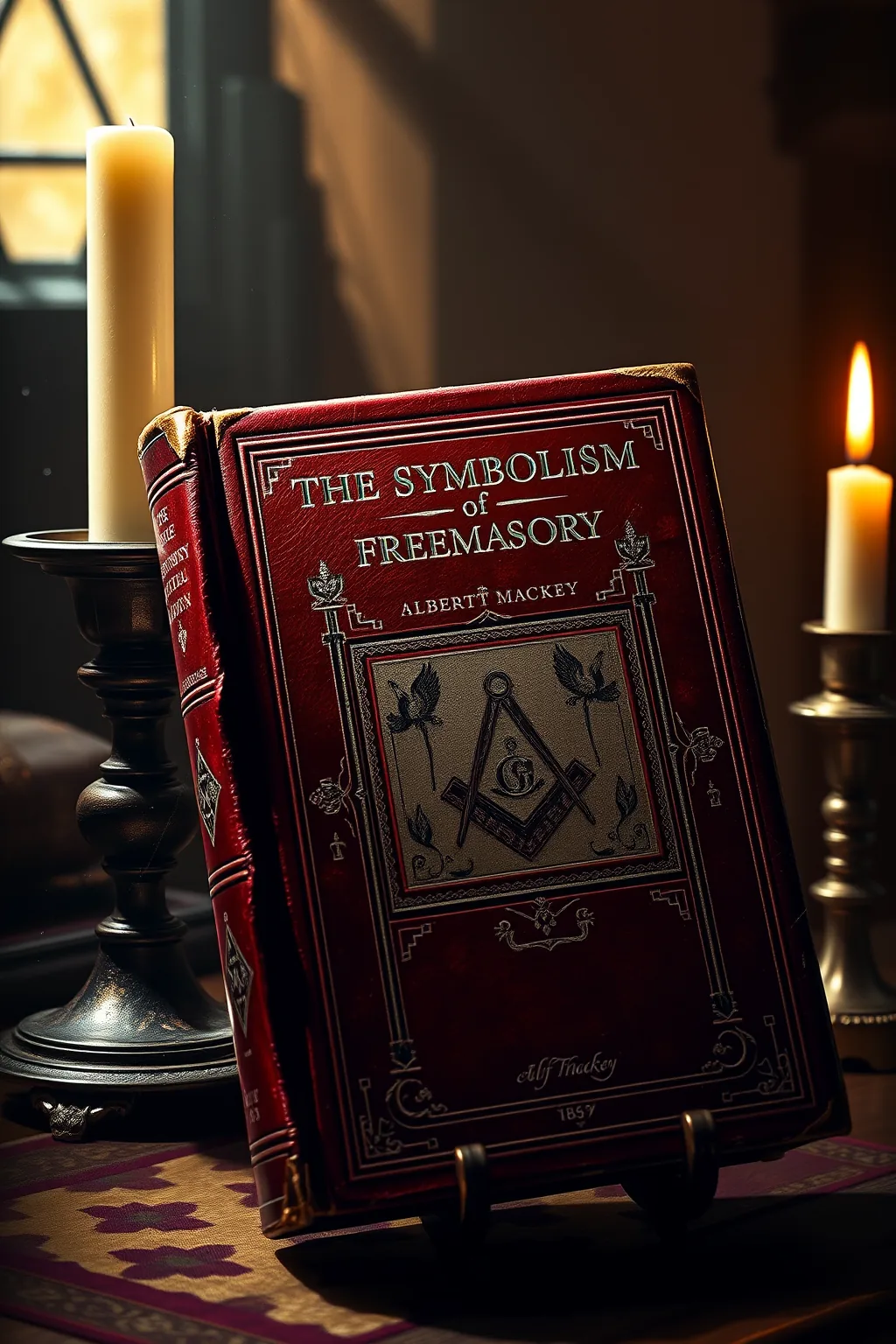
The Symbolism of Freemasonry
 78
78

The Symbolism of Freemasonry


Alaric Kestrel, Metaphysical Studies Reviewer — Albert Mackey's 'The Symbolism of Freemasonry' remains an indispensable cornerstone for anyone serious about understanding the esoteric dimensions of this venerable order. Mackey's erudition shines as he masterfully dissects the symbolic language, connecting Masonic tenets to broader philosophical and spiritual currents. His explanations are both scholarly and accessible, offering profound insights into the moral and metaphysical lessons embedded within Masonic rituals and emblems. This work is particularly valuable for its comprehensive approach, making it an essential read for Masons seeking deeper comprehension and for external scholars interested in the philosophical underpinnings of secret societies. It’s a testament to the enduring power of symbolism in conveying profound truths.
📝 Description
78
Albert Mackey's 'The Symbolism of Freemasonry' was first published in 1869.
Albert Mackey's 1869 book, 'The Symbolism of Freemasonry,' examines the symbolic language within Masonic rites and allegories. Mackey, a recognized Masonic scholar, breaks down individual symbols, such as the Square and Compasses, and connects them to moral teachings and metaphysical ideas. He draws on biblical and classical sources to explain these meanings.
The book aims to help readers understand Freemasonry's deeper philosophical dimensions. It suggests that common objects and ancient rituals carry significant meaning, acting as guides to universal truths. Mackey's writing from the late 19th century reflects the intellectual climate of his time, offering a detailed look at the philosophical foundations of the fraternity.
Published in 1869, Albert Mackey's work belongs to a tradition of Masonic scholarship that sought to interpret the fraternity's rituals and symbols as a vehicle for spiritual and philosophical knowledge. This era saw a significant interest in deciphering esoteric traditions, with Freemasonry often viewed as a repository of ancient wisdom. Mackey's approach aligns with other writers of the time who looked for universal truths embedded within specific fraternal systems, connecting them to broader philosophical and religious currents.
✍️ Author
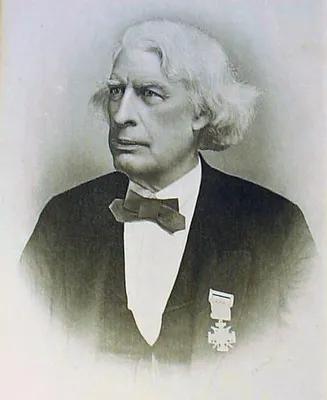
Albert Mackey
Albert Gallatin Mackey (March 12, 1807 – June 20, 1881) was an American medical doctor and author. He is best known for his books and articles about freemasonry, particularly the Masonic Landmarks.
💡 Why Read This Book?
Unlock the hidden language of moral and metaphysical wisdom embedded within the iconic symbols of Freemasonry. Albert Mackey's classic text offers a scholarly yet accessible exploration of these esoteric meanings, ideal for seekers of ancient knowledge, Masonic practitioners aiming for deeper understanding, and scholars of secret societies and symbolism. Discover how familiar emblems serve as keys to profound philosophical insights and spiritual growth.
⭐ Reader Reviews
Honest opinions from readers who have explored this book.
❓ Frequently Asked Questions
What is the primary focus of 'The Symbolism of Freemasonry'?
The book's primary focus is to meticulously explain the rich symbolism inherent in Freemasonry. It delves into the rites, legends, and philosophical underpinnings, revealing how these emblems function as a moral and metaphysical language for spiritual enlightenment.
Who was Albert Mackey, and what was his expertise?
Albert Gallatin Mackey (1807-1881) was one of America's most prolific and respected Masonic scholars. His extensive writings on Masonic history, ritual, and philosophy are considered foundational texts within the fraternity.
Does this book require prior knowledge of Freemasonry?
While prior knowledge can enhance the experience, Mackey's clear prose and systematic approach make the book accessible to those with a general interest in symbolism, philosophy, or secret societies. He effectively introduces concepts for the uninitiated.
What kind of symbolism does Mackey explore?
Mackey explores a wide range of symbolism, drawing from biblical narratives, classical mythology, ancient architecture, and everyday tools. He interprets emblems like the Square and Compasses, as well as more complex allegorical figures.
Is this book relevant to modern Freemasonry?
Absolutely. The fundamental symbolism and philosophical tenets discussed by Mackey remain central to Masonic teachings today. His work provides an enduring framework for understanding the timeless principles of the Craft.
🔮 Key Themes & Symbolism
The Esoteric Language of Symbols
This theme examines how Freemasonry employs a rich lexicon of symbols to convey profound moral and metaphysical truths. Mackey argues that these emblems are not mere decorations but active tools for spiritual and intellectual development. Each symbol, whether an everyday object or a complex allegory, is presented as a cipher unlocking deeper understanding of the human condition, the cosmos, and the divine. The book emphasizes the transformative power of engaging with this symbolic language, inviting readers to perceive the universe as a grand text waiting to be deciphered through intuitive and intellectual means.
Moral and Metaphysical Instruction
Central to Mackey's thesis is the idea that Masonic symbolism serves as a powerful vehicle for moral and metaphysical education. The rites and emblems are designed to instill virtues, guide ethical conduct, and illuminate the path towards spiritual enlightenment. Mackey meticulously unpacks how concepts such as justice, temperance, prudence, and fortitude are represented through specific symbols, offering practical applications for daily life. Furthermore, the book explores the fraternity's engagement with higher philosophical questions concerning the nature of existence, the soul, and humanity's place within the grand cosmic order.
Allegory and Universal Truths
Mackey masterfully demonstrates how Freemasonry draws upon a vast reservoir of allegorical narratives, spanning biblical stories and classical myths, to illustrate universal truths. He posits that these ancient tales, when viewed through a Masonic lens, reveal timeless principles applicable to all humanity, irrespective of creed or background. The book highlights how these allegories function not just as stories, but as symbolic frameworks that mirror the spiritual journey of the individual and the evolution of consciousness. By dissecting these narratives, readers are encouraged to find traces of their own spiritual quest within the grand collection of human wisdom.
💬 Memorable Quotes
Direct passages from the work, attributed to the author.
“Truth is often veiled, and symbolism is its most potent disguise.”
— Mackey suggests that profound truths are not always immediately apparent and that symbolism serves as a deliberate, yet decipherable, method for concealing and revealing these deeper realities.
“The Square teaches us to square our actions, and the Compasses to circumscribe our desires.”
— This highlights the practical moral application of Masonic symbolism, showing how everyday tools are transformed into powerful metaphors for ethical living and self-discipline.
“In the allegories of Masonry, we find the traces of eternal verities.”
— This emphasizes the timeless and universal nature of the lessons conveyed through Masonic narratives, connecting them to fundamental truths that resonate across ages and cultures.
“To understand the symbol is to approach the essence of the thing symbolized.”
— This underscores the transformative power of symbolic understanding, suggesting that comprehending a symbol allows one to grasp the deeper reality or concept it represents.
💡 Key Ideas
Editorial paraphrase of the work's core concepts — not direct quotes.
The symbols of Freemasonry are the alphabet of a language of wisdom.
This quote captures the book's core premise: Masonic symbols are foundational elements that, when understood, unlock a profound system of knowledge and spiritual insight.
🌙 Esoteric Significance
Tradition
The esoteric significance of Mackey's work lies deeply within the Western Esoteric Tradition, particularly its branches focused on Hermeticism, Kabbalah, and Neoplatonism, which heavily influenced Masonic philosophy. It aligns with the Hermetic principle of 'As Above, So Below,' using tangible symbols to represent abstract spiritual realities and the interconnectedness of the macrocosm and microcosm. The book serves as a bridge, translating complex philosophical ideas into a universally accessible symbolic language.
Symbolism
Mackey's exploration of Masonic symbolism is a detailed look in interpreting archetypal images. He deciphers the dualistic nature of the Square (earthly conduct) and Compasses (spiritual restraint), the practical lessons of the Trowel (charity) and the spiritual journey represented by the tracing boards. Each emblem is presented not as a static image but as a dynamic key, unlocking layers of meaning related to moral virtue, the pursuit of knowledge, and the nature of the divine.
Modern Relevance
In an era often characterized by superficiality, Mackey's work offers a profound antidote, urging a return to deeper meaning and contemplative practice. Its relevance endures for those seeking to understand the philosophical roots of personal development, ethical frameworks, and the perennial quest for spiritual truth. The book provides timeless insights into how symbolism can foster self-awareness, community connection, and a more profound engagement with the mysteries of existence, making it a valuable resource for contemporary seekers.
👥 Who Should Read This Book
This key work is a treasure for a diverse readership. Masonic practitioners, from novices to seasoned brethren, will find an invaluable guide to deepening their understanding of the Craft's rich symbolic language and philosophical underpinnings. Scholars of secret societies, comparative religion, and Western esotericism will appreciate Mackey's rigorous scholarship and comprehensive analysis. Seekers of hidden knowledge and philosophical wisdom, regardless of their affiliation, will find useful insights into the human condition and the nature of spiritual truth. It is an essential text for anyone interested in the enduring power of symbolism to illuminate the path of self-discovery and moral improvement.
📜 Historical Context
Published in 1869, 'The Symbolism of Freemasonry' emerged during a period of intense interest in spiritualism, occultism, and the re-examination of ancient traditions in the Western world. The late 19th century saw a proliferation of scholarly works attempting to decode the mysteries of secret societies, alchemy, and forgotten wisdom. Albert Mackey, a prominent figure in American Freemasonry, contributed significantly to this intellectual milieu. His work reflects the era's fascination with the philosophical underpinnings of rituals and symbols, seeking to bridge the gap between esoteric practices and rational inquiry. The book's detailed analysis and scholarly tone are characteristic of the period's academic approach to subjects often considered arcane, positioning Freemasonry not merely as a fraternal organization but as a repository of ancient philosophical and moral teachings.
📔 Journal Prompts
Reflect on a personal symbol that holds significant meaning for you. How does its meaning guide your actions or beliefs?
Mackey discusses how everyday tools become symbols. Consider an object in your daily life; what deeper, perhaps moral or philosophical, meaning could it represent?
How can the principles of 'squaring actions' and 'circumscribing desires' be applied to modern challenges?
Explore the concept of 'veiled truth.' In what ways might truth be intentionally concealed or revealed through symbolism in contemporary society?
Consider the allegories mentioned. How can ancient narratives still offer relevant lessons for personal growth and understanding the world today?
🗂️ Glossary
Emblem
A symbolic representation or sign, often an object or figure, used to convey an idea or meaning. In Freemasonry, emblems are central to its teachings and rituals.
Allegory
A story, poem, or picture that can be interpreted to reveal a hidden meaning, typically a moral or political one. Masonic rituals are rich with allegorical narratives.
Metaphysical
Relating to or based upon the fundamental nature of reality, existence, and knowledge. Freemasonry's symbolism often aims to explain metaphysical concepts.
Esoteric
Intended for or likely to be understood by only a small number of people with a specialized knowledge or interest. Masonic teachings are often considered esoteric.
Rite
A formal or ceremonial act or procedure prescribed or customary in religious or other solemn use. Freemasonry's degrees are structured around specific rites.
This book appears in 2 collections
🔮 Readers Also Liked
Browse all →



More by Albert Mackey
All books →
From the “Secret Societies” Collection
View all →





More Free Freemasonry & Secret Societies Books
View all →