The Lost Keys of Masonry
 73
73

The Lost Keys of Masonry


Manly P. Hall's 'The Lost Keys of Masonry' remains an indispensable cornerstone for understanding the esoteric dimensions of Freemasonry. Hall masterfully deciphers the complex symbolism of the Hiram Abiff legend, presenting it not as historical dogma but as a profound allegory for spiritual resurrection and personal transformation. His prose, rich with occult insight, illuminates the ethical and philosophical underpinnings of the Craft. This work is essential for Masons seeking deeper meaning and for scholars of secret societies and Western esotericism. It's a powerful testament to Freemasonry's enduring relevance as a path to self-discovery.
📝 Description
73
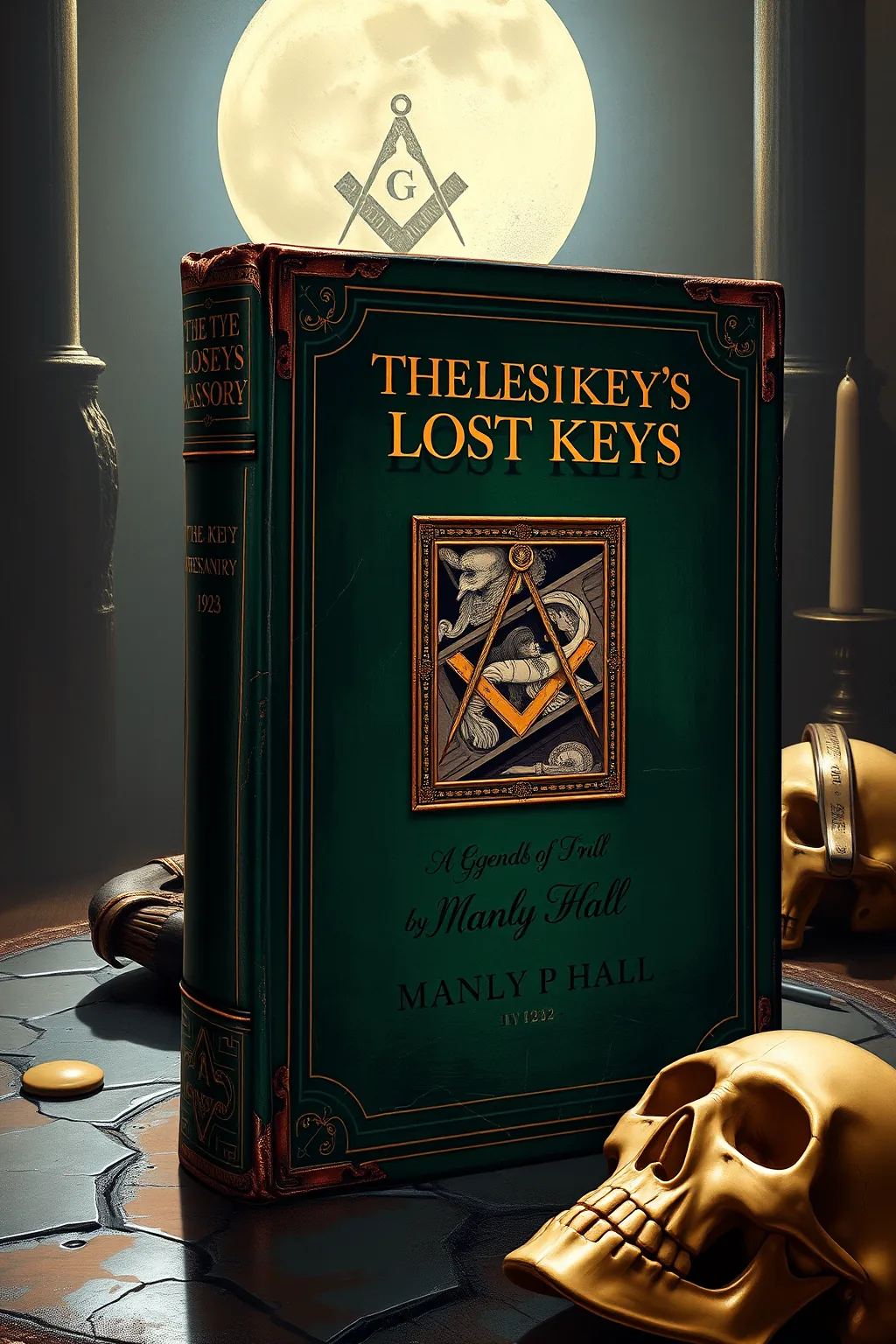
Manly P. Hall published 'The Lost Keys of Masonry' in 1923, presenting a symbolic interpretation of Masonic ritual.
Published in 1923, Manly P. Hall's 'The Lost Keys of Masonry' interprets the legend of Hiram Abiff not as historical fact, but as a symbolic allegory for spiritual development. Hall, a prominent figure in 20th-century esoteric thought, examines the symbolic language of Masonic rites. He suggests that each element within the ritual serves as a guide to understanding human potential and its connection to a larger cosmic structure.
The book aims to reveal the philosophical and ethical principles underlying Freemasonry for those seeking deeper self-understanding. Hall frames the study of Masonic symbolism as a path toward self-knowledge, drawing parallels with perennial philosophical traditions. It is written for individuals interested in the allegorical meanings behind fraternal rituals and their connection to universal spiritual concepts.
This work is situated within the broader tradition of Western Esotericism, specifically paralleling the Hermetic and Rosicrucian interests in allegorical interpretation of ancient wisdom. Hall connects Masonic symbolism to concepts found in alchemy, Kabbalah, and other mystical traditions, viewing them as expressions of a universal spiritual philosophy. The book applies these interpretive methods to the specific framework of Freemasonry, treating its rituals and legends as coded teachings for inner transformation.
✍️ Author
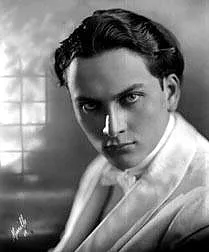
Manly P Hall
Manly Palmer Hall (18 March 1901 – 29 August 1990) was a Canadian writer, lecturer, astrologer, and mystic. Over his 70-year career he gave thousands of lectures and published over 150 volumes, of which the best known is The Secret Teachings of All Ages (1928).
💡 Why Read This Book?
Uncover the hidden philosophical and ethical teachings at the heart of Freemasonry. 'The Lost Keys of Masonry' offers a profound interpretation of Masonic symbolism, revealing its relevance to personal growth and spiritual awakening. Ideal for seekers of esoteric wisdom, students of secret societies, and practitioners looking to deepen their understanding of ancient allegories.
⭐ Reader Reviews
Honest opinions from readers who have explored this book.
❓ Frequently Asked Questions
Is this book a historical account of Freemasonry?
While it draws from Masonic history, the book's primary focus is on the symbolic and philosophical interpretations of Masonic legends and rituals, presenting them as a system of esoteric instruction.
What is the significance of Hiram Abiff in this book?
Hiram Abiff represents the initiate's quest for higher knowledge and spiritual perfection, his legend serving as a powerful allegory for the death of the old self and the rebirth of the enlightened one.
Who is Manly P. Hall?
Manly P. Hall was a prolific Canadian author and mystic, renowned for his extensive writings on Freemasonry, occultism, mythology, and comparative religion. He founded the Philosophical Research Society.
Is prior knowledge of Freemasonry required to read this book?
While some familiarity can enhance understanding, Hall's clear explanations of symbols and allegory make the book accessible to those new to Masonic concepts, particularly those interested in its spiritual dimensions.
What kind of symbolism does Hall explore?
Hall delves into a rich tapestry of symbolic language, including architectural metaphors, allegorical narratives, and the archetypal significance of Masonic rituals, all aimed at illustrating the path of spiritual evolution.
🔮 Key Themes & Symbolism
The Allegory of Spiritual Resurrection
Hall masterfully reinterprets the legend of Hiram Abiff not as a historical event, but as a profound allegory for the initiate's inner transformation. This theme explores the death of the lower self, the shedding of ignorance, and the subsequent rebirth into a higher consciousness. It highlights the Masonic emphasis on moral and spiritual purification as the foundation for attaining true wisdom and illumination, making the ritual a dynamic process of self-discovery.
The Architecture of Inner Temples
This book treats the physical structures and tools of Freemasonry as symbolic representations of the human psyche and the spiritual cosmos. Hall elucidates how Masonic symbolism, from the Temple of Solomon to the compass and square, serves as a blueprint for building one's inner temple of character and virtue. It emphasizes the idea that true Masonry is an internal discipline, a construction of the soul guided by divine principles and ethical conduct.
The Perennial Philosophy of the Craft
Hall posits Freemasonry as a vessel for transmitting the Perennial Philosophy – the ancient, universal wisdom tradition that underlies all major religions and spiritual paths. 'The Lost Keys of Masonry' reveals how Masonic teachings encapsulate timeless truths about humanity's divine origin, its earthly purpose, and its ultimate destiny. This theme underscores the universality of Masonic symbolism and its capacity to unite seekers across diverse backgrounds in a shared quest for truth.
💬 Memorable Quotes
Direct passages from the work, attributed to the author.
“Masonry is a system of morality, veiled in allegory and illustrated by symbols.”
— This foundational statement defines Masonry as a moral philosophy that uses symbolic language and allegorical stories to teach ethical principles and spiritual truths to its initiates.
“To be a Mason is to be a student of the infinite.”
— This highlights the continuous learning and spiritual exploration inherent in the Masonic path, suggesting that true Masonry involves an ongoing engagement with the profound mysteries of existence.
“The rough ashlar must be squared, but the perfect ashlar is never finished.”
— This metaphor illustrates the journey of self-improvement: the 'rough ashlar' (unrefined self) needs shaping, while the 'perfect ashlar' (ideal self) is a continuous process of refinement, never truly complete in this life.
💡 Key Ideas
Editorial paraphrase of the work's core concepts — not direct quotes.
The legend of the Master Builder is not dead; it is alive in the heart of every honest man.
This quote emphasizes that the core teachings and spiritual quest symbolized by Hiram Abiff are not confined to historical narratives but are actively present in the personal journey of every sincere individual seeking truth.
The lost is not a thing, but a state of consciousness.
This quote points to the esoteric understanding that the 'lost' elements in Masonic lore refer not to physical objects, but to a spiritual or conscious state that must be rediscovered or regained through inner work.
🌙 Esoteric Significance
Tradition
This work is deeply rooted in the Western Esoteric Tradition, drawing heavily from Hermeticism, Kabbalah, Neoplatonism, and Christian mysticism, all filtered through the lens of Freemasonry. Hall presents Freemasonry not merely as a fraternal organization, but as a direct lineage of this ancient wisdom, preserving and transmitting keys to spiritual realization and cosmic understanding across the ages.
Symbolism
Hall meticulously decodes the rich symbolic language of Freemasonry, particularly focusing on the legend of Hiram Abiff. Key symbols like the Temple of Solomon, the tools of operative stonemasons (square, compasses, trowel), and various geometric figures are explained as allegorical representations of moral virtues, cosmic principles, and the stages of spiritual development.
Modern Relevance
In an age often characterized by materialism and spiritual disconnection, 'The Lost Keys of Masonry' offers a timeless antidote. Its emphasis on inner development, ethical living, and the pursuit of wisdom remains profoundly relevant. The book provides a framework for personal growth and self-understanding, demonstrating that the ancient principles espoused by Freemasonry are vital tools for reading through the complexities of modern life.
👥 Who Should Read This Book
This book is a treasure for a diverse audience. **Beginners** seeking an introduction to the philosophical underpinnings of Freemasonry will find Hall's explanations clear and informative. **Scholars of secret societies and Western esotericism** will appreciate its depth and comprehensive synthesis of symbolic meanings. **Spiritual seekers and practitioners** of any tradition looking for allegorical pathways to self-improvement and enlightenment will discover useful insights. **Dedicated Masons** yearning for a deeper understanding of their rituals and their ethical significance will find it an invaluable guide.
📜 Historical Context
Published in 1923, 'The Lost Keys of Masonry' emerged during a period of significant interest in occultism, spiritualism, and esoteric philosophies in the Western world. Following the upheaval of World War I, many sought deeper meaning and philosophical grounding, turning to ancient traditions and secret societies for answers. Manly P. Hall, a prolific writer and lecturer, tapped into this zeitgeist, offering accessible yet profound interpretations of complex symbolic systems. His work provided a bridge between the historical understanding of Freemasonry and its perceived role as a repository of ancient wisdom, appealing to a generation eager to explore the hidden dimensions of life and consciousness.
📔 Journal Prompts
Reflect on the symbolism of Hiram Abiff's legend in relation to your own life's challenges and aspirations for growth.
How can the Masonic concept of 'building an inner temple' be applied to your personal development and character refinement?
Identify one Masonic symbol discussed in the book and explore its deeper meaning in your daily life.
Consider the ethical principles of Freemasonry. Which principle resonates most strongly with you, and how can you embody it more fully?
In what ways does Hall's interpretation of Freemasonry as a 'living system' challenge or affirm your understanding of spiritual traditions?
🗂️ Glossary
Hiram Abiff
The central allegorical figure in Masonic lore, representing the Master Builder of King Solomon's Temple. His legend symbolizes the death of ignorance and the attainment of divine knowledge and spiritual resurrection.
Allegory
A symbolic narrative in which characters, settings, and events represent abstract ideas or moral qualities, used here to convey esoteric Masonic teachings.
Perennial Philosophy
The idea that all religions and spiritual traditions share a common, underlying truth or wisdom, which Manly P. Hall believed Freemasonry to be a custodian of.
Initiate
An individual who has undergone or is undergoing a formal ceremony or ritual to be admitted into a particular society, order, or spiritual tradition, in this case, Freemasonry.
Ashlar
In Masonry, a stone that has been squared and smoothed for building. The 'rough ashlar' symbolizes the unrefined person, while the 'perfect ashlar' represents the perfected individual after moral and spiritual development.
This book appears in 2 collections
🔮 Readers Also Liked
Browse all →



More by Manly P Hall
All books →
From the “Secret Societies” Collection
View all →



More Free Freemasonry & Secret Societies Books
View all →