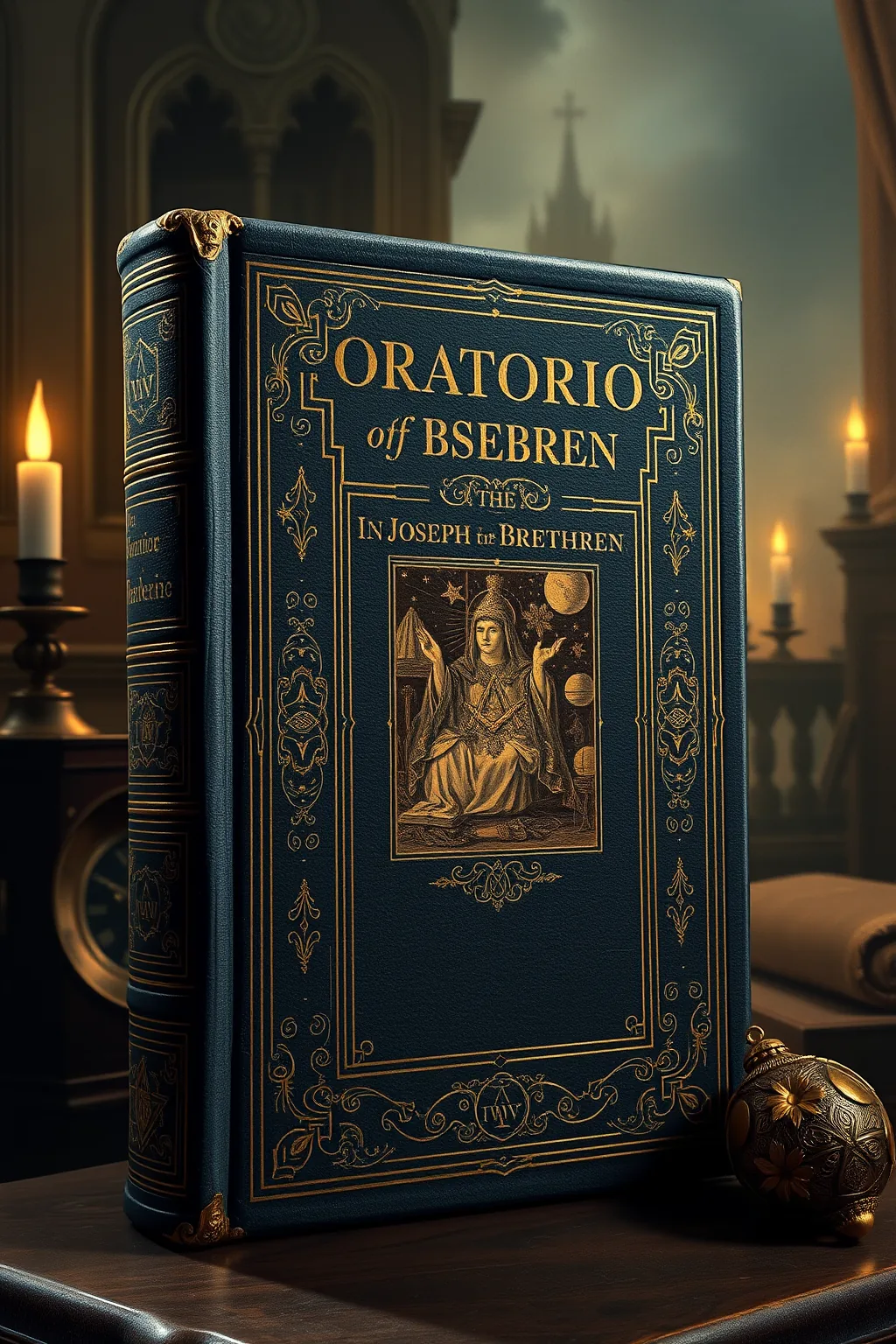
Oratorio of Joseph & His Brethren: At the Masonic Temple on Sunday Evening ...
 78
78

Oratorio of Joseph & His Brethren: At the Masonic Temple on Sunday Evening ...

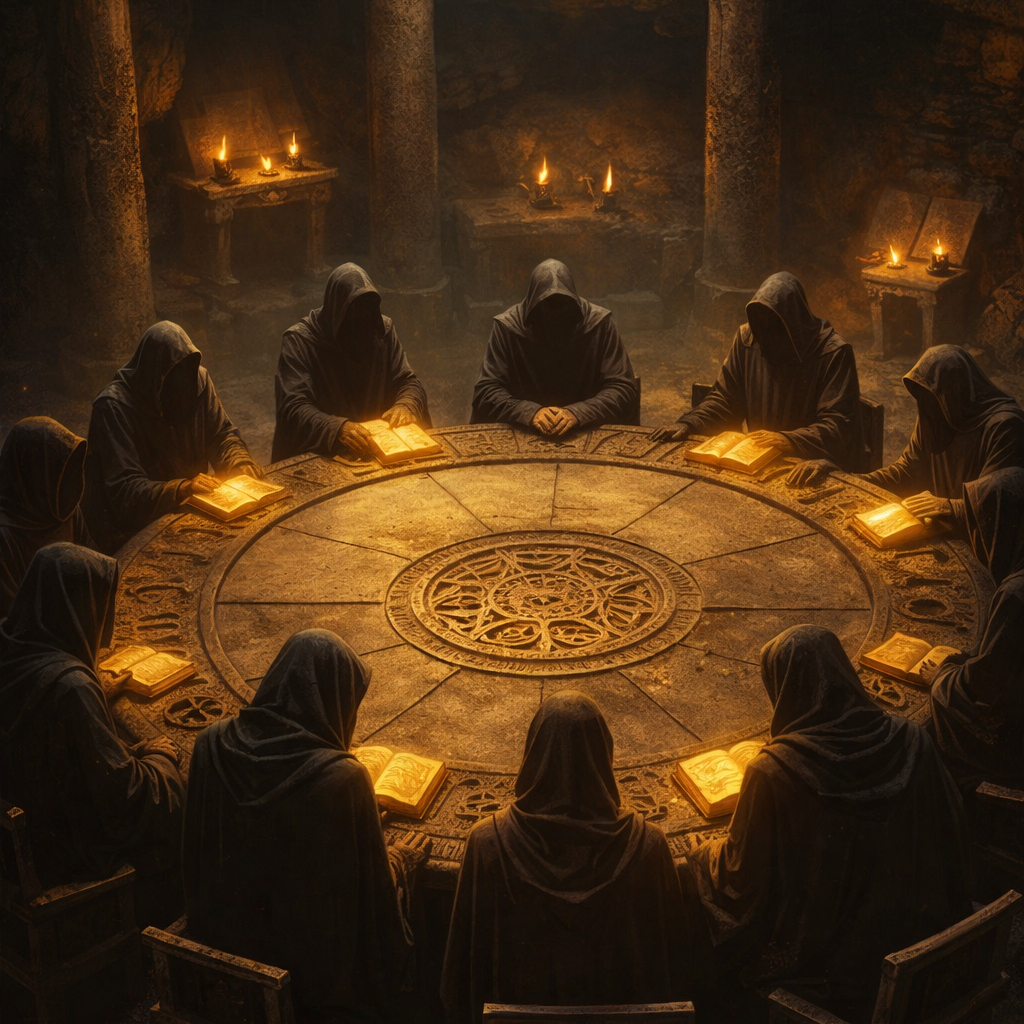

Aurelia Blackwood (Occult Philosophy Critic) — Etienne Nicolas Méhul and Alexandre Duval's "Oratorio of Joseph & His Brethren" is a luminous manifestation of esoteric principles within a dramatic framework. Presented within the sacred geometry of a Masonic Temple, this work is far more than a musical piece; it is an initiatory journey. The libretto, rich with allegorical layers, subtly guides the audience through the archetypal struggles and eventual ascents inherent in spiritual development. Its strength lies in its seamless integration of biblical narrative with Masonic allegory, offering profound insights into universal truths of brotherhood, resilience, and divine order. This oratorio is essential for scholars of esoteric traditions and practitioners seeking to understand the symbolic language of secret societies.
📝 Description
78
Etienne Nicolas Méhul and Alexandre Duval presented their "Oratorio of Joseph & His Brethren" at the Masonic Temple.
This 1808 musical drama, "Oratorio of Joseph & His Brethren," uses the biblical story of Joseph as a framework for Masonic symbolism and spiritual teachings. The oratorio unfolds the narrative of Joseph's life, reinterpreted through the lens of initiatory rites and the search for hidden knowledge. Each part of the work carries a solemnity and moral lesson, reflecting a persistent human desire for understanding and brotherhood.
The oratorio functions as a spiritual guide, prompting the listener to consider divine guidance, the soul's challenges, and the eventual victory of good. It demonstrates how stories can communicate deep metaphysical truths, revealing the esoteric elements within communal ceremony and the pursuit of greater awareness. This digitized version, preserved from Harvard University's collection, grants access to a past period of spiritual inquiry, made available for today's interested individuals.
Presented within a Masonic Temple, this oratorio aligns with esoteric traditions that use allegory and ritual to convey spiritual truths. The reinterpretation of the Joseph narrative through initiatory rites suggests a connection to hermeticism or other systems that view biblical stories as coded teachings. Its focus on divine providence, the soul's trials, and virtue's triumph echoes themes found in Rosicrucianism and other Western esoteric schools that emphasize personal transformation and spiritual ascent.
💡 Why Read This Book?
Uncover the interwoven tapestry of biblical narrative and Masonic symbolism. Experience a profound exploration of spiritual trials, virtue, and the quest for hidden knowledge. Ideal for seekers of esoteric wisdom, students of Freemasonry, and those drawn to the metaphysical dimensions of art and ritual. Discover a unique perspective on ancient stories and their enduring mystical significance.
⭐ Reader Reviews
Honest opinions from readers who have explored this book.
❓ Frequently Asked Questions
What is the primary subject matter of this oratorio?
The oratorio retells the biblical story of Joseph and his brethren, deeply interwoven with Masonic symbolism and allegorical interpretations of spiritual and moral lessons.
Who was Etienne Nicolas Méhul?
Etienne Nicolas Méhul was a prominent French composer of the Classical and early Romantic eras, known for his operas and other dramatic musical works.
What role does Alexandre Duval play in this work?
Alexandre Duval is credited as the librettist for this oratorio, responsible for crafting the text and dramatic narrative that Méhul set to music.
What makes this oratorio significant from an esoteric perspective?
Its significance lies in its presentation within a Masonic Temple and its use of Masonic symbolism, suggesting a layered meaning intended for initiation and spiritual reflection beyond the literal narrative.
Is this work suitable for those new to esoteric studies?
While rich in symbolism, the accessible narrative of Joseph provides a gentle entry point. However, a deeper appreciation will be gained with some familiarity with biblical and Masonic allegorical traditions.
🔮 Key Themes & Symbolism
Biblical Allegory and Masonic Initiation
This oratorio masterfully reinterprets the timeless biblical narrative of Joseph, not merely as a historical account, but as a profound allegory for the individual's journey through life's trials and tribulations. Within the hallowed halls of the Masonic Temple, the story transforms into a symbolic representation of initiatory rites. Joseph's descent into hardship and subsequent rise mirrors the aspirant's path of self-discovery, facing inner demons and external challenges to achieve spiritual enlightenment. The brethren's betrayal and reconciliation offer potent lessons on forgiveness, unity, and the rectification of discord, all central tenets within the esoteric framework of fraternal orders.
The Pursuit of Hidden Knowledge and Divine Providence
Central to the 'Oratorio of Joseph & His Brethren' is the enduring theme of seeking hidden knowledge. The oratorio suggests that life's events, even those seemingly fraught with misfortune, are orchestrated by a higher, divine providence. Joseph's trials are not random but are divinely guided steps towards his eventual preeminence, serving a larger, unseen plan. This resonates deeply with esoteric traditions that posit a hidden order and intelligence guiding the cosmos. The work invites contemplation on recognizing these subtle workings, understanding the lessons embedded within adversity, and aligning one's will with the greater cosmic design for personal and collective betterment.
Symbolism of Brotherhood and Spiritual Harmony
The complex relationships between Joseph and his brethren serve as a potent symbolic landscape for exploring the ideals of brotherhood and spiritual harmony. The initial discord and envy that plague the family reflect the disharmony that can arise within any collective, be it familial, societal, or within a fraternal order. Joseph's eventual triumph and reconciliation with his siblings underscore the transformative power of understanding, compassion, and the restoration of lost unity. Within the Masonic context, this theme speaks to the importance of mutual support, the elevation of the moral character of each member, and the creation of a harmonious collective dedicated to shared principles and spiritual advancement.
💬 Memorable Quotes
Direct passages from the work, attributed to the author.
“And thus the hidden hand did guide him.”
— This phrase captures the core esoteric belief in divine providence, suggesting that even the most challenging circumstances are part of a greater, unseen plan orchestrated for ultimate good.
“From darkness, light; from sorrow, wisdom.”
— A succinct expression of the initiatory journey, highlighting the transformative power of adversity in forging inner strength and spiritual understanding.
“The bonds of brotherhood, tested and true.”
— Reflects the Masonic ideal of fraternal connection, emphasizing that true fellowship endures through trials, strengthening its members.
“A secret whispered, a truth revealed.”
— Alludes to the esoteric nature of the oratorio, suggesting that beneath the surface narrative lie deeper, veiled meanings accessible to the initiated seeker.
“Harmony restored, the sacred circle mended.”
— Speaks to the resolution of conflict and the achievement of spiritual and communal unity, a paramount goal in many esoteric traditions.
🌙 Esoteric Significance
Tradition
This work is deeply embedded within the esoteric tradition of Freemasonry, drawing heavily on its symbolic language and allegorical methods. Beyond its biblical narrative, the oratorio functions as a potential initiatory tool, designed to convey moral and philosophical lessons through veiled symbolism and archetypal representation. It aligns with the broader Hermetic and Neoplatonic currents that influenced many Western esoteric traditions, emphasizing the search for divine wisdom, the understanding of cosmic order, and the transformative journey of the soul towards higher consciousness.
Symbolism
The oratorio is rich with Masonic symbolism, albeit subtly integrated. Joseph's trials can be seen as representing the various stages of Masonic degrees, from hardship and deception to eventual enlightenment and leadership. His brothers' actions may symbolize the temptations and challenges faced by an aspirant. The setting within a Masonic Temple itself imbues the performance with inherent symbolic weight, signifying a space dedicated to ritual, fraternity, and the pursuit of light. The narrative's focus on providence, forgiveness, and reconciliation further aligns with core Masonic values and the symbolic reconstruction of the Temple of Solomon.
Modern Relevance
In a contemporary world often characterized by fragmentation and a perceived loss of deeper meaning, the 'Oratorio of Joseph & His Brethren' offers a powerful reminder of enduring spiritual principles. Its exploration of resilience in the face of adversity, the importance of brotherhood, and the subtle guidance of providence appeals to modern seekers searching for anchors in a complex world. The oratorio’s allegorical depth provides a rich field for contemplation, encouraging introspection and the recognition of universal truths that transcend time and cultural boundaries, making its esoteric insights relevant to anyone on a path of personal growth and spiritual inquiry.
👥 Who Should Read This Book
This oratorio is a treasure for dedicated seekers of esoteric knowledge, particularly those drawn to the detailed symbolism of Freemasonry and its historical intersections with art and philosophy. Scholars of religious studies, comparative mythology, and the history of secret societies will find invaluable primary source material for understanding allegorical interpretation and ritualistic performance. Practicing Freemasons can gain a deeper appreciation for the symbolic underpinnings of their rituals and the philosophical depth of Masonic teachings. Beginners in esoteric studies may find the accessible biblical narrative a gentle introduction to allegorical symbolism, offering a unique bridge between faith, history, and metaphysical exploration.
📜 Historical Context
This oratorio, composed during a vibrant period of artistic and intellectual ferment in late 18th and early 19th century France, emerges from an era where the lines between religious, philosophical, and artistic expression were fluid. Etienne Nicolas Méhul was a leading figure in French musical life, known for his dramatic flair and ability to infuse his works with potent emotion. The choice to present such a piece at a Masonic Temple underscores the significant role Freemasonry played in the intellectual and social range of the time. Masonic lodges served not only as meeting places for fraternal rituals but also as centers for philosophical discourse, charitable activities, and the cultivation of the arts. This oratorio likely served as both entertainment and a vehicle for conveying moral and spiritual teachings aligned with Masonic ideals, reflecting a society deeply interested in allegory, symbolism, and the pursuit of self-improvement through structured learning and ritual.
📔 Journal Prompts
How does the story of Joseph, as presented in this oratorio, mirror your own personal trials and subsequent growth?
What Masonic symbols or allegories can you identify within the narrative of Joseph and his brethren, and what do they represent to you?
Reflect on the concept of divine providence as depicted in the oratorio. How do you perceive its influence in your own life, both in challenges and triumphs?
Consider the dynamics between Joseph and his brothers. What lessons about forgiveness, reconciliation, and the nature of true brotherhood can be drawn from their story?
The oratorio was performed in a Masonic Temple. How does the setting enhance or alter the perceived meaning and esoteric significance of the narrative for you?
🗂️ Glossary
Oratorio
A large-scale musical work for orchestra and chorus, typically on a sacred theme, but not usually staged as a play. It combines dramatic narrative with musical expression.
Esoteric
Intended for or likely to be understood by only a small number of people with a specialized knowledge or interest; relating to mysteries or secret doctrines.
Allegory
A story, poem, or picture that can be interpreted to reveal a hidden meaning, typically a moral or political one. It uses symbolic figures and actions to convey abstract ideas.
Masonic Temple
A building or room designated for the meeting and ritualistic activities of a Masonic lodge, often imbued with symbolic architecture and decor.
Divine Providence
The concept that a divine power or deity guides and intervenes in the affairs of the universe and humanity, often for an ultimate good or plan.
This book appears in 2 collections
🔮 Readers Also Liked
Browse all →



![The Freemasons' quarterly (magazine and) review [afterw.] The Freemasons ...](/img/thumb/the-freemasons-quarterly-magazine-and-review-afterw-the-freemasons-freemasons-magazine-ia.webp)

From the “Secret Societies” Collection
View all →




More Free Freemasonry & Secret Societies Books
View all →