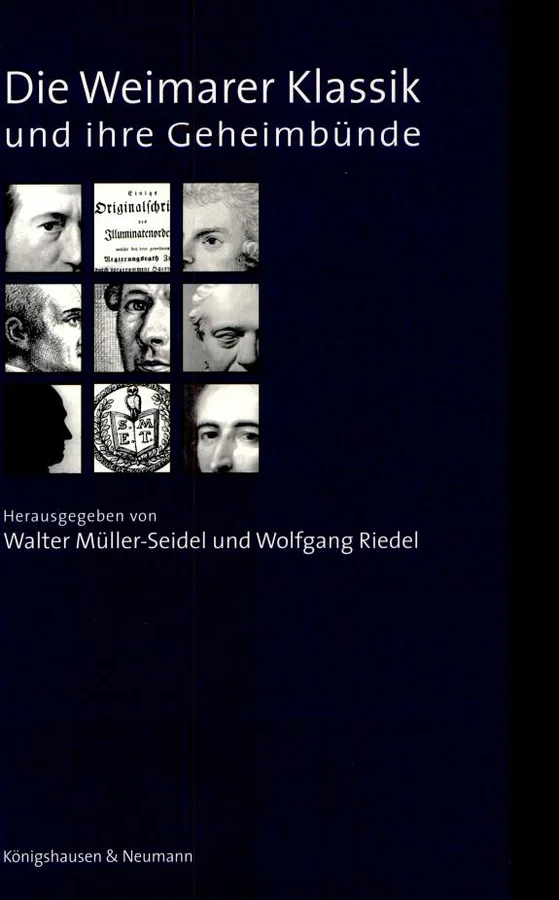
Die Weimarer Klassik und ihre Geheimbünde
 74
74

Die Weimarer Klassik und ihre Geheimbünde
Müller-Seidel and Riedel's work, originally published in 2002, offers a compelling, if occasionally speculative, examination of the esoteric underpinnings of German Classicism. Its strength lies in meticulously drawing parallels between the era's literary giants and the clandestine philosophical currents of Freemasonry and Rosicrucianism. The analysis of Goethe's engagement with alchemical symbolism, particularly in relation to his theatrical works, is a standout section. However, the book sometimes leans heavily on inference, and a more robust engagement with primary source material from the secret societies themselves, beyond textual references, would have strengthened its thesis. Despite this, the volume provides a valuable counterpoint to purely secular interpretations of Weimarer Klassik. It is a significant contribution for those willing to consider the mystical dimensions of a seemingly rational age.
📝 Description
74
Walter Müller-Seidel and Wolfgang Riedel's 2002 book connects Weimar Classicism to secret societies.
This volume investigates the connections between the German Classicism movement, known as Weimarer Klassik, and the secret societies active in Germany during the late 18th and early 19th centuries. Rather than focusing solely on literary analysis, the authors examine the possible influence of esoteric ideas on prominent writers and thinkers of the period. The book delves into how concepts such as initiation rites, symbolic language, and cosmological frameworks from groups like the Freemasons and Rosicrucians may have shaped the creative work and personal philosophies of figures like Goethe and Schiller.
Scholars of German literature, history, and philosophy will find this study valuable. It also appeals to those interested in the intersection of intellectual history and occult traditions, offering a look into less examined aspects of the Enlightenment and its subsequent era. The authors analyze texts and biographical information to uncover these subtle but significant connections.
This book engages with the historical study of esoteric traditions, specifically examining their overlap with a major European literary movement. It situates the intellectual currents of Weimar Classicism within a broader context of secret societies that offered alternative modes of understanding the cosmos and human potential. By analyzing concepts drawn from Freemasonry and Rosicrucianism, the work connects these traditions to the broader philosophical and artistic landscape of the late Enlightenment and its aftermath.
💡 Why Read This Book?
• Understand the influence of Freemasonry on figures like Goethe, learning how its symbolic language might have shaped dramatic works from the Weimar period. • Gain insight into the philosophical underpinnings of Rosicrucianism and its potential resonance with the era's intellectual elite, moving beyond superficial interpretations. • Discover how the synthesis of Enlightenment ideals and esoteric thought characterized the cultural landscape of Germany around the turn of the 19th century.
⭐ Reader Reviews
Honest opinions from readers who have explored this book.
❓ Frequently Asked Questions
What is the primary focus of 'Die Weimarer Klassik und ihre Geheimbünde'?
The book investigates the connections between the literary and philosophical movement of German Classicism (Weimarer Klassik) and the secret societies active in Germany during that period, exploring potential esoteric influences on prominent figures.
Which secret societies are discussed in the book?
The work primarily examines groups such as the Freemasons and Rosicrucians, detailing their philosophical tenets and symbolic systems as they relate to the era's intellectual climate.
Who are the key literary figures associated with Weimarer Klassik mentioned in this study?
The book frequently references Johann Wolfgang von Goethe and Friedrich Schiller, analyzing their works and lives for potential engagements with esoteric traditions.
What is the publication date of the original German edition?
The original German edition of 'Die Weimarer Klassik und ihre Geheimbünde' was first published in 2002.
Does the book argue that all Weimar Classicism writers were members of secret societies?
No, the book explores potential influences and thematic resonances rather than asserting universal membership or direct indoctrination, focusing on how esoteric ideas permeated the intellectual atmosphere.
Is this book suitable for beginners in esoteric studies?
While accessible to those with some background, it is primarily geared towards academics and readers familiar with German literature and history, offering nuanced analysis rather than introductory overviews.
🔮 Key Themes & Symbolism
Freemasonry's Symbolic Language
The book meticulously details how Masonic symbolism, including its architectural metaphors and ritualistic structures, may have offered a conceptual framework for writers of the Weimar era. It posits that the emphasis on initiation, moral development, and the pursuit of hidden knowledge within Freemasonry provided a rich source of inspiration, subtly encoded within literary works. The analysis suggests that the fraternity's esoteric teachings offered an alternative worldview that resonated with intellectuals seeking deeper meaning beyond the surface of empirical reality.
Rosicrucian Mysticism and Alchemy
This theme delves into the influence of Rosicrucian thought, often intertwined with alchemical traditions, on the intellectual currents of German Classicism. The work explores how concepts of spiritual transformation, the search for the philosopher's stone, and the belief in hidden wisdom traditions might have informed the philosophical outlook of key figures. It examines textual evidence suggesting that the symbolic language of alchemy, representing inner purification and cosmic understanding, found echoes in the era's artistic and philosophical expressions.
The Enlightenment's Esoteric Undercurrents
Contrary to a purely rationalist view of the Enlightenment, this theme highlights the persistent presence of esoteric and mystical traditions. The book argues that the era's pursuit of knowledge was not monolithic, with secret societies offering spaces for exploring non-conventional spiritual and philosophical ideas. It illustrates how figures associated with Weimarer Klassik navigated this complex intellectual landscape, engaging with both rational inquiry and the allure of hidden knowledge.
Goethe and Esoteric Traditions
A significant focus is placed on Johann Wolfgang von Goethe, analyzing his multifaceted engagement with various esoteric streams. The work investigates how his literary output, particularly his plays and poems, may contain coded references to alchemical processes, Masonic ideals, and other mystical concepts. It moves beyond biographical speculation to interpret specific passages and motifs as potentially reflecting a deep, albeit often private, interest in esoteric philosophy and its transformative potential.
💬 Memorable Quotes
“The symbolic language of Freemasonry offered a framework for moral and spiritual development.”
— This paraphrased concept highlights the book's argument that Masonic rituals and symbols were not merely decorative but served as tools for personal growth and understanding the hidden order of the universe.
“Rosicrucian ideals of inner transformation resonated with the era's intellectual elite.”
— This interpretation points to the book's exploration of how the Rosicrucian pursuit of spiritual alchemy and hidden wisdom attracted thinkers in the late 18th and early 19th centuries seeking deeper meaning.
“Goethe's works potentially encode alchemical processes.”
— This suggests the book's analysis of Johann Wolfgang von Goethe's literary output, identifying symbolic references to alchemy as a metaphor for spiritual purification and enlightenment.
“Weimar Classicism existed alongside, not separate from, esoteric currents.”
— This captures the central thesis that the highly regarded literary movement was not solely a product of rationalism but was also influenced by the prevalent mystical and secret society traditions of its time.
“The pursuit of hidden knowledge was a characteristic of the period.”
— This emphasizes the book's broader point that the era's intellectual landscape included a significant interest in uncovering secret doctrines and esoteric philosophies, often pursued within clandestine groups.
🌙 Esoteric Significance
Tradition
This work engages with the Hermetic and esoteric traditions that permeated European intellectual history, particularly as they intersected with Enlightenment thought. It situates Weimarer Klassik not as a purely secular movement but as one influenced by Gnostic, alchemical, and Rosicrucian ideas that offered alternative pathways to knowledge and spiritual development outside established religious dogma.
Symbolism
Key symbols explored include the Masonic square and compass, representing ethical conduct and the ordering of the cosmos, and alchemical imagery of transformation (e.g., the Ouroboros), symbolizing spiritual purification and rebirth. The book interprets these motifs as potentially encoded within literary works, representing hidden layers of meaning accessible to those familiar with esoteric symbolism.
Modern Relevance
Contemporary scholars and practitioners of Western Esotericism continue to draw on this research to understand the historical roots of modern occult movements. Thinkers exploring the integration of psychology and spirituality, or those interested in the influence of Hermeticism on secular culture, find value in Müller-Seidel and Riedel's detailed examination of this pivotal era.
👥 Who Should Read This Book
• Students of German literature and cultural history seeking to understand the broader intellectual context of Weimarer Klassik beyond standard analyses. • Researchers of Western Esotericism interested in tracing the influence of Freemasonry and Rosicrucianism on prominent Enlightenment figures and their works. • Readers curious about the interplay between rationalism and mysticism during a pivotal period in European intellectual history, uncovering hidden philosophical currents.
📜 Historical Context
The period of Weimarer Klassik, roughly spanning the late 18th and early 19th centuries, was a crucible of German intellectual and artistic achievement. Figures like Goethe and Schiller sought to establish a national literature grounded in classical ideals of harmony and humanism. Simultaneously, Germany was a hotbed for secret societies, most notably Freemasonry, which counted many prominent intellectuals among its members. These orders offered structured paths for moral instruction and philosophical exploration, often drawing on Hermetic and Kabbalistic traditions. While the Enlightenment championed reason, esoteric currents persisted and even flourished, providing alternative frameworks for understanding the cosmos and human potential. This work emerges in a scholarly landscape that had largely moved past the biographical sensationalism of occult interests, seeking instead a more nuanced integration of these currents into the intellectual history of the era. It engages with scholarship that sometimes contrasted the rationalist ideals of the Enlightenment with the persistent appeal of mysticism, a tension evident in thinkers like Immanuel Kant, who grappled with both reason and faith.
📔 Journal Prompts
The Masonic square and compass: analyze its potential dual meaning in a Goethe play.
Rosicrucian ideals of transformation: how might they manifest in Schiller's philosophical writings?
Consider the era's intellectual climate: how did esoteric thought offer an alternative to pure rationalism?
Goethe's engagement with alchemy: what specific alchemical processes are suggested by his literary symbolism?
The concept of hidden knowledge: reflect on its appeal during the late 18th century.
🗂️ Glossary
Weimarer Klassik
The dominant German literary and cultural movement of the late 18th and early 19th centuries, associated with figures like Goethe and Schiller, aiming for aesthetic harmony and humanistic ideals.
Freemasonry
A fraternal organization originating in the late 16th to early 17th century, characterized by its use of symbolic rituals and a moral philosophy based on the tools of stonemasonry.
Rosicrucianism
A mystical and esoteric tradition whose origins are traced to a series of pamphlets published in early 17th-century Germany, emphasizing spiritual alchemy and hidden wisdom.
Alchemy
An ancient tradition focused on the transformation of matter, often involving the pursuit of the philosopher's stone and elixirs, but also deeply symbolic of spiritual purification and enlightenment.
Hermeticism
A philosophical and religious tradition based primarily upon writings attributed to Hermes Trismegistus, advocating for a unified cosmology and the potential for human gnosis (knowledge).
Gnosticism
A diverse set of religious ideas and systems originating in the early Christian era, emphasizing spiritual knowledge (gnosis) as the path to salvation from the material world.
Symbolic Language
The use of symbols, signs, and allegories to convey deeper meanings, particularly prevalent in esoteric traditions and artistic expression, requiring interpretation beyond literal understanding.