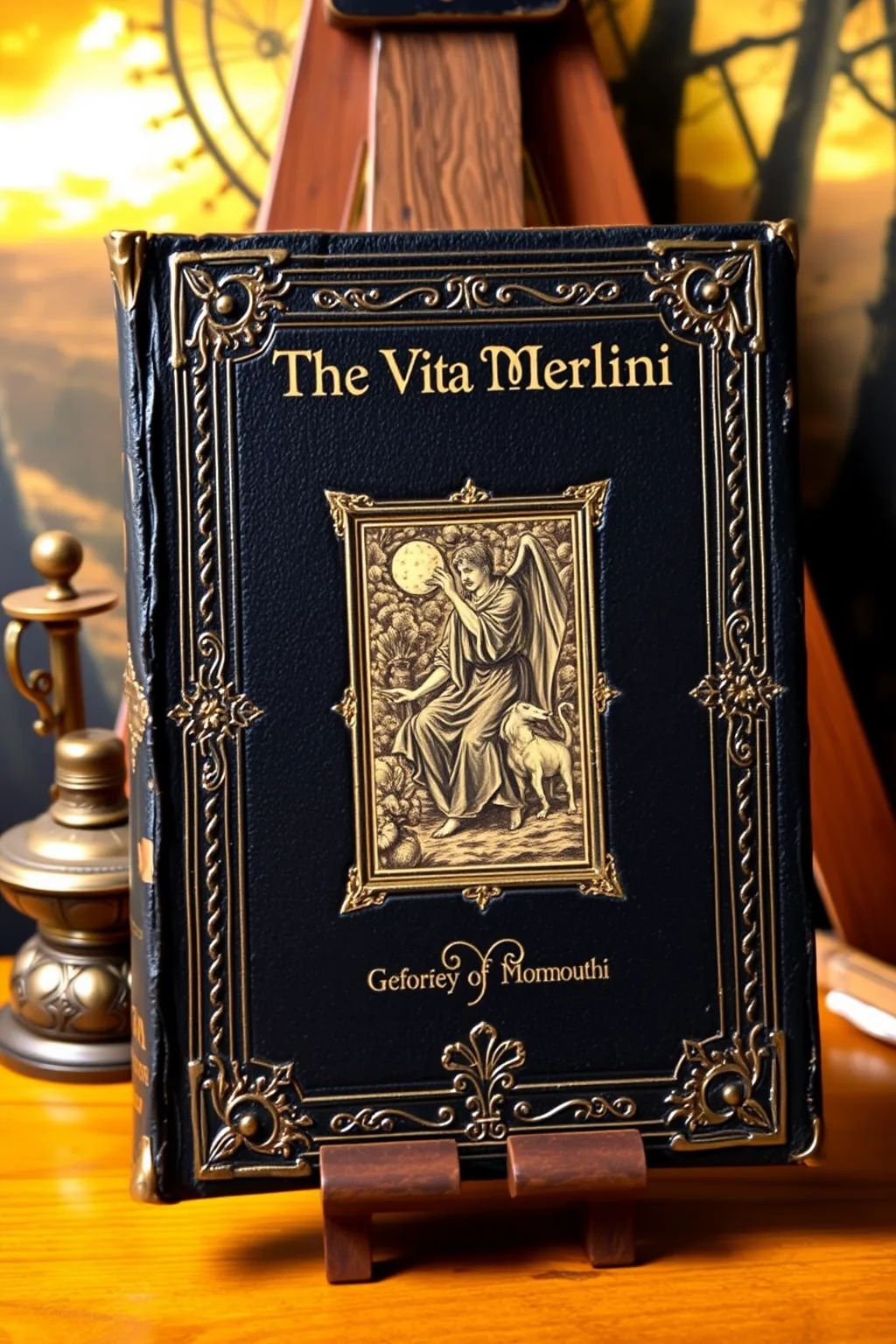
The Vita Merlini
 83
83

The Vita Merlini



Sophia Crane (Associate Editor) — "The Vita Merlini" is an essential text for understanding the evolution of the Merlin archetype. Geoffrey of Monmouth crafts a compelling portrait of a prophet driven to the brink by prescient visions. The work is steeped in a rich tapestry of Celtic myth and classical allegory, offering profound insights into the medieval mind's engagement with the supernatural and the esoteric. Its strength lies in its raw portrayal of Merlin's inner turmoil, bridging the gap between earthly suffering and cosmic awareness. This is a vital read for scholars of Arthurian legend, students of medieval literature, and those fascinated by the psychospiritual dimensions of prophecy and wisdom.
📝 Description
83
Geoffrey of Monmouth's Vita Merlini, written around 1150, presents Merlin not as a king's advisor but as a wild, prophetic hermit.
Geoffrey of Monmouth's poem, written in Latin verse around 1150, reimagines the figure of Merlin. Unlike his earlier depiction as a political advisor, this Merlin is a solitary sage living in the forests of Britain. Geoffrey blends native Celtic traditions with classical influences to portray Merlin as a seer tormented by visions of cosmic and earthly turmoil. The poem explores themes of madness, prophecy, and the magic associated with the wild man archetype.
Its philosophical dimensions consider the nature of sanity, the weight of prophecy, and the boundary between human perception and divine insight. The Vita Merlini offers a look at the consequences of deep knowledge and the confrontation with overwhelming experiences. It stands as a significant text for understanding medieval views of prophecy, magic, and the wildness of the natural world.
The Vita Merlini fits within a tradition of medieval literature that engaged with both classical learning and indigenous British myths. Geoffrey of Monmouth, known for his "History of the Kings of Britain," here turns to the legendary figure of Merlin, imbuing him with a more primal, prophetic character. This portrayal draws on concepts of hermeticism and the seer's connection to hidden knowledge, often found in folklore and early magical traditions. The text reflects a fascination with the boundaries of human understanding and the potential for ecstatic or divinely inspired insight.
✍️ Author
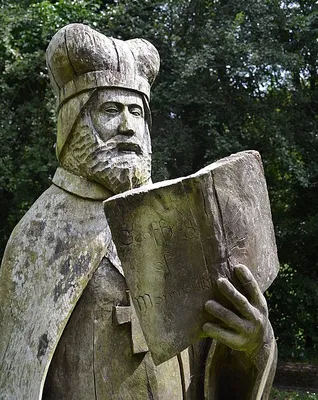
Geoffrey Of Monmouth
Geoffrey of Monmouth (Latin: Galfridus Monemutensis, Galfridus Arturus; Welsh: Gruffudd ap Arthur, Sieffre o Fynwy; c. 1095 – c.
💡 Why Read This Book?
Uncover the primal roots of the Merlin myth, explore the profound connection between madness and prophecy, and witness a master storyteller's reimagining of ancient Celtic traditions. Ideal for seekers of hidden lore, Arthurian enthusiasts, and scholars of esoteric history.
⭐ Reader Reviews
Honest opinions from readers who have explored this book.
❓ Frequently Asked Questions
What is the primary focus of "The Vita Merlini"?
This work centers on a later, more wild and prophetic portrayal of the sorcerer Merlin, emphasizing his solitary existence and profound, often agonizing, visions.
What is the language and format of the original text?
The original "Vita Merlini" is written in Latin verse, a testament to its medieval origins and poetic structure.
How does it differ from "The History of the Kings of Britain"?
While both are by Geoffrey of Monmouth, "Vita Merlini" shifts focus from a king's advisor to a solitary, mad prophet, exploring deeper psychological and mystical themes.
What kind of traditions does Geoffrey draw upon?
He expertly blends Celtic mythological elements with classical literary influences, creating a unique synthesis of ancient wisdom and storytelling.
Who is the intended audience for this text?
Scholars of medieval literature, Arthurian legend enthusiasts, and those interested in esoteric history and the psychology of prophecy.
🔮 Key Themes & Symbolism
The Prophet's Madness and Vision
This theme examines the profound connection between foresight and mental anguish. Merlin's madness is not mere affliction but a conduit for cosmic truths, a terrifying burden that grants him exceptional insight into the past, present, and future. Geoffrey explores the psychological toll of seeing beyond the veil of ordinary reality, portraying the seer as both blessed and cursed by their extraordinary perception.
Celtic Mysticism and Archetypes
The text is a rich repository of Celtic lore, tying in elements of the Otherworld, ancient spirits, and the wild, untamed forces of nature. Merlin embodies the archetype of the wild man, a figure who exists at the periphery of society, drawing power from the natural world and possessing wisdom that transcends societal norms. This theme highlights the enduring influence of pre-Christian spiritual traditions.
The Alchemy of Suffering and Wisdom
Geoffrey presents suffering as a crucible for wisdom. Merlin's tormented state, born from witnessing the horrors of existence, paradoxically refines his understanding and amplifies his prophetic abilities. This theme suggests a profound alchemical process where pain and tribulation are transmuted into profound spiritual insight and knowledge, a central tenet in many esoteric traditions.
💬 Memorable Quotes
Direct passages from the work, attributed to the author.
“Madness is but a key to unlock hidden doors.”
— Here, madness is reframed not as a deficiency, but as a state that can grant access to deeper, otherwise inaccessible areas of knowledge and perception.
“The forest whispers secrets to those who listen.”
— This highlights the animistic belief in nature's sentience and the power of the natural world to impart wisdom to the attuned seeker.
“He saw the future, a range of joy and woe.”
— This captures the dual nature of prophecy, revealing both the potential for happiness and the inevitability of suffering in the unfolding of time.
“The weight of knowing is a heavy crown.”
— This metaphor speaks to the isolation and burden that come with profound knowledge, especially when that knowledge includes foresight into tragedy.
💡 Key Ideas
Editorial paraphrase of the work's core concepts — not direct quotes.
For the world is a stage, and we are but players...
This quote suggests a predetermined fate, a cosmic play where human actions are part of a larger, orchestrated narrative.
🌙 Esoteric Significance
Tradition
This work deeply appeals to Celtic shamanism and hermeticism. It explores the archetype of the 'wild man' and the 'shamanic journey,' where altered states of consciousness (madness) are pathways to divine knowledge and prophetic insight. The emphasis on nature's wisdom and Merlin's connection to the Otherworld aligns with ancient animistic beliefs and the hermetic principle of 'as above, so below.'
Symbolism
Key symbols include the forest as a sacred, liminal space; madness as a gateway to higher perception; and the prophetic visions themselves, representing the inescapable flow of time and destiny. Merlin's wildness symbolizes a return to primal, untamed forces, a rejection of artificial societal structures in favor of elemental truth. His suffering is symbolic of the alchemical process of purification and transformation.
Modern Relevance
In an age often characterized by information overload and existential uncertainty, "The Vita Merlini" offers a timeless exploration of the human condition. Its portrayal of the burden of knowledge, the search for meaning in chaos, and the power of intuition and inner vision remains profoundly relevant. The archetype of the seer grappling with overwhelming truths continues to speak to contemporary seekers of wisdom and understanding.
👥 Who Should Read This Book
Scholars of medieval literature and Arthurian legend will find an invaluable primary source. Seekers of esoteric wisdom and mystical traditions will appreciate the body of Celtic lore and the exploration of prophecy and consciousness. Practitioners of spiritual disciplines may draw inspiration from Merlin's connection to nature and his journey through suffering to useful insights. Even those new to these themes will be captivated by Geoffrey's compelling narrative and the enduring power of the Merlin archetype.
📜 Historical Context
Composed in the 12th century, "The Vita Merlini" emerges from a period of intense intellectual and cultural ferment in Europe. The High Middle Ages witnessed a revival of classical learning, a burgeoning interest in vernacular literature, and the continued influence of Christian theology alongside enduring pagan and Celtic traditions. Geoffrey of Monmouth himself was a key figure, instrumental in shaping the Arthurian legend and popularizing British history through a blend of factual accounts, folklore, and imaginative embellishment. This era was fascinated by prophecy, the supernatural, and the moral complexities of kingship and power, making Merlin's story a potent reflection of contemporary anxieties and aspirations.
📔 Journal Prompts
Reflect on a time when intense emotion or a challenging experience led to unexpected clarity or insight. How did this mirror Merlin's journey?
Explore the symbolism of forests and wild places in your own life or imagination. What wisdom do they seem to offer?
Consider the concept of 'prophetic madness.' How might perceived 'madness' be a form of heightened perception in certain contexts?
If you were burdened with the knowledge of future events, how would you cope with the potential for both joy and sorrow?
What does it mean to be 'wise' today, ? Is it solely about accumulated knowledge, or does it involve a deeper, perhaps more intuitive, understanding?
🗂️ Glossary
Vita Merlini
Latin for 'The Life of Merlin,' this refers to Geoffrey of Monmouth's poetic account of the legendary prophet.
Latin Verse
Poetry written in the Latin language, characterized by meter, rhythm, and often rhyme, common in medieval literature.
Celtic Traditions
A body of myths, legends, and spiritual beliefs originating from the ancient peoples of Ireland, Scotland, Wales, and Brittany.
Prophetic Sage
An individual revered for their profound wisdom and ability to foresee future events, often possessing a mystical or spiritual connection.
Otherworld
In Celtic mythology, a supernatural realm inhabited by deities, spirits, and the dead, often accessible through liminal spaces or altered states.
This book appears in 1 collection
🔮 Readers Also Liked
Browse all →









From the “Transcendental Meditation” Collection
View all →





More Free Esoteric History & Biography Books
View all →