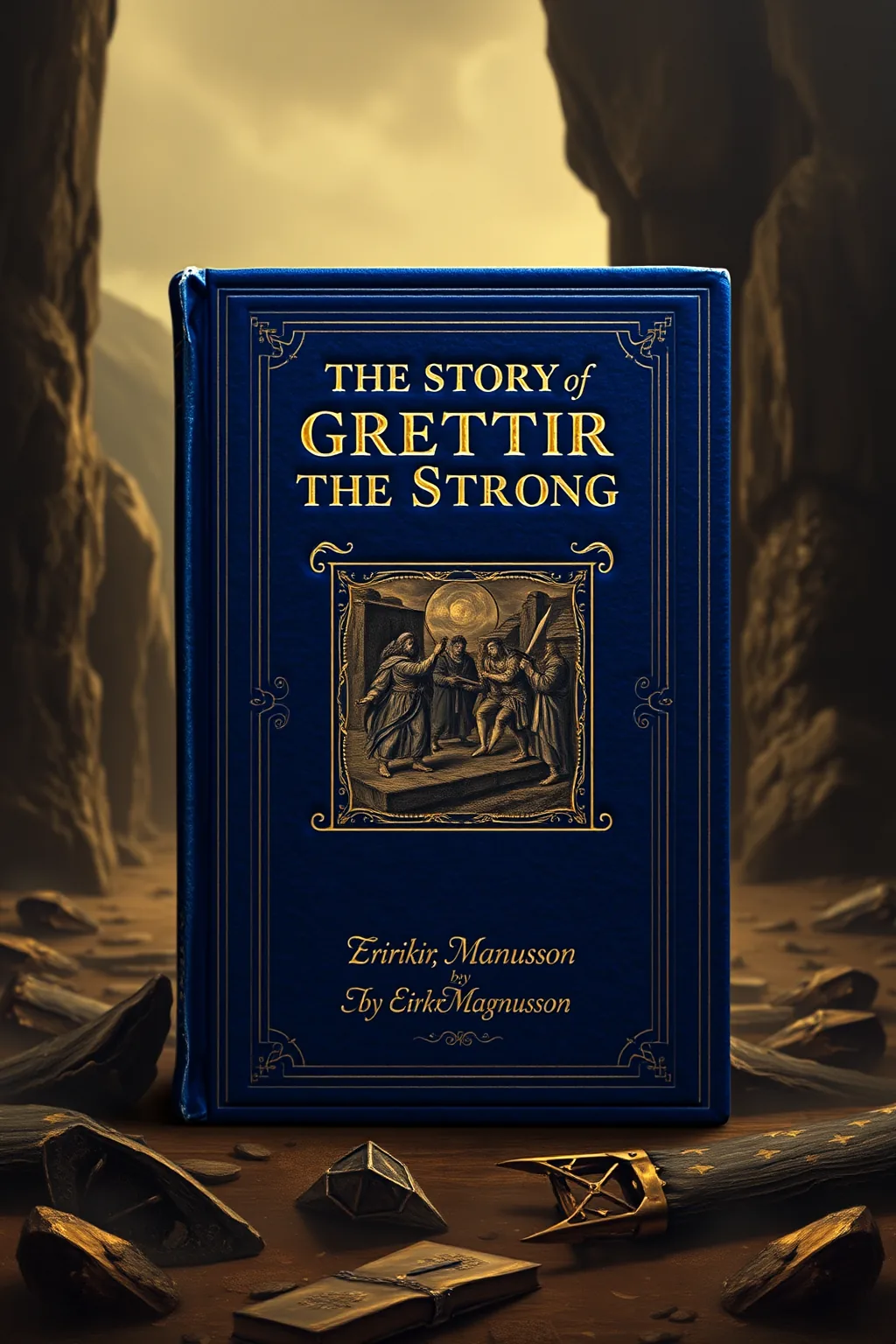
The Story of Grettir the Strong
 84
84

The Story of Grettir the Strong


Balthazar Finch (Senior Critic, Occult Philosophy) — Eirikr Magnusson's rendition of Grettir the Strong is a vital portal to pre-Christian Norse esotericism. Beyond the thrilling accounts of combat, the saga reveals profound insights into the Icelandic worldview, where spirits, trolls, and ancestral powers are tangible forces. Grettir's trials are archetypal explorations of the soul's arduous path through adversity, mirroring shamanic initiations and the Stoic acceptance of fate. The text is rich with symbolism, offering glimpses into the ancient Germanic understanding of the cosmos and the human place within it. Essential for scholars of comparative mythology and practitioners seeking to understand the roots of Northern European magical traditions. A truly illuminating read.
📝 Description
84
Eirikr Magnusson's 1869 translation brings the Icelandic outlaw Grettir the Strong's life and battles to English readers.
The Story of Grettir the Strong recounts the life of an Icelandic outlaw who lived from the late 10th to early 11th century. This translation by Eirikr Magnusson presents Grettir's struggles against both human enemies and supernatural threats. His story details his banishment from society and his subsequent battles with trolls, draugar (undead beings), and other malevolent forces. The saga emphasizes Grettir's strength, endurance, and his solitary existence as he faces constant opposition.
Magnusson's work highlights the deep connection between the narrative and the natural, often harsh, environment of medieval Iceland. It reveals a worldview where spiritual and physical conflicts are intertwined. The story examines themes of fate, honor, and the consequences of defiance within the social and mythological framework of the time. It is a biographical account set against a backdrop of powerful folklore and ancient beliefs.
This saga fits within traditions that view ancient literature as containing hidden spiritual or magical knowledge. The translation emphasizes the non-mundane aspects of Grettir's life, suggesting his battles represent a struggle against forces beyond ordinary human comprehension. It aligns with an interest in primal energies and the perceived connection between the natural world and spiritual potency in Norse culture. Such interpretations often look for shamanic elements or symbolic representations of cosmic dualities within the text.
✍️ Author
Eirikr Magnusson
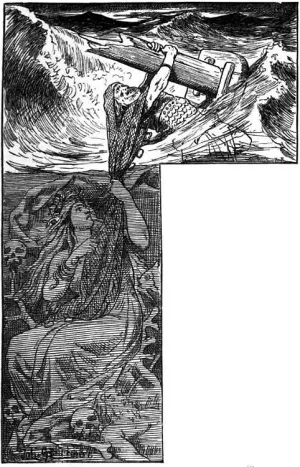
In Norse mythology, Rán (in Old Norse: [ˈrɒːn]) is a goddess and personification of the sea. Rán and her husband Ægir, a jötunn who also personifies the sea, and together the two produced nine daughters who personify the sea waves, and Rán's son is Snær, w…
💡 Why Read This Book?
This saga offers a rare, unfiltered glimpse into the spiritual landscape of Viking Age Iceland. It's a compelling narrative for seekers of ancient lore, scholars of comparative mythology, and practitioners drawn to the raw power of Norse traditions. Discover the esoteric underpinnings of survival, the archetypal battles against inner and outer demons, and the enduring human spirit facing exile and the supernatural.
⭐ Reader Reviews
Honest opinions from readers who have explored this book.
❓ Frequently Asked Questions
What is the primary esoteric theme in Grettir the Strong?
The primary esoteric theme revolves around the individual's struggle against overwhelming forces, both supernatural and societal, mirroring shamanic journeys and the confrontation with the shadow self. It explores fate, exile, and the resilience of the human spirit.
Are there actual supernatural beings in the saga?
The saga vividly depicts encounters with trolls, ghosts (draugar), and other spectral beings, which were considered tangible entities within the Norse worldview, representing primal fears and the forces of the underworld.
How does Grettir's exile relate to esoteric concepts?
Grettir's prolonged exile symbolizes spiritual isolation, a test of endurance, and a journey through liminal spaces. It reflects the alchemical process of purification and transformation through hardship and solitude.
What can modern readers learn from Grettir's story?
Modern readers can glean insights into Stoic resilience, the archetype of the solitary warrior, and the importance of confronting one's own inner demons. It offers a powerful narrative of overcoming adversity and finding strength in isolation.
Is this book suitable for beginners in esoteric studies?
Yes, while rich in depth, the narrative is engaging and accessible. It serves as an excellent entry point into Norse mythology and the broader themes of heroic sagas and their underlying spiritual significance.
🔮 Key Themes & Symbolism
The Outlaw's Mystical Exile
Grettir's life as an outlaw transcends mere social ostracization; it becomes a profound spiritual exile. Banished to the fringes of society, he navigates a desolate landscape where the boundaries between the physical and the spectral blur. This isolation becomes a crucible for his soul, forcing him to confront primal fears and engage with the unseen forces that govern the North. His journey mirrors the initiatory trials of a shaman, where solitude and hardship forge a deeper connection to the spiritual realm and unlock hidden potential, revealing the esoteric significance of being cast out.
Confrontations with the Unseen
The saga is replete with vivid encounters with entities from the Norse spirit world. From the malevolent 'draugar' that haunt burial mounds to the formidable trolls dwelling in desolate wildernesses, Grettir's battles are not solely against human adversaries but also against manifestations of ancient fears and elemental powers. These encounters are symbolic representations of the internal struggles individuals face—battling personal demons, overcoming ingrained limitations, and confronting the chaotic forces that threaten to overwhelm the psyche. The saga offers a window into a worldview where the supernatural is an active participant in human destiny.
The Archetype of the Solitary Warrior
Grettir embodies the archetype of the solitary warrior, a figure destined to face immense challenges alone. His strength, though formidable, is often insufficient against the unseen, requiring a deeper wellspring of resilience and an understanding of cosmic forces. This archetype speaks to the spiritual seeker who must ultimately walk their own path, armed with inner fortitude and a connection to universal energies. Grettir's tragic fate, however, also serves as a potent reminder of the ephemeral nature of earthly power and the enduring legacy of those who stand against impossible odds, leaving behind a legend that transcends time.
💬 Memorable Quotes
Direct passages from the work, attributed to the author.
“He fought with trolls and ghosts.”
— This phrase points to Grettir's battles against supernatural entities, symbolizing his confrontations with primal fears and the forces of the underworld that were believed to inhabit the ancient Norse world.
“His doom was foretold, yet he fought on.”
— Illustrates the Stoic acceptance of fate and the indomitable spirit of the hero. Even knowing his end, Grettir continued to face his trials, embodying unwavering courage.
“He was outlawed from the sight of men.”
— This signifies not just social exile but a spiritual banishment, a journey into the liminal spaces where one confronts the self and the unseen forces of existence.
“The land of the North holds many ancient spirits.”
— A direct acknowledgment of the pervasive belief in the supernatural and the spiritual significance of the natural landscape in Norse culture, hinting at hidden energies and presences.
💡 Key Ideas
Editorial paraphrase of the work's core concepts — not direct quotes.
He was a man of great strength and courage, but also of ill-fortune.
This quote captures Grettir's dual nature: a hero imbued with immense power, yet perpetually shadowed by fate. It highlights the Norse understanding of destiny and the struggle against it.
🌙 Esoteric Significance
Tradition
This saga deeply embeds itself within the esoteric traditions of Norse paganism and proto-Shamanism. It reflects a worldview where the spirit world is not separate but intricately interwoven with the human realm. The narrative explores themes of fate (wyrd), the power of ancestral spirits (fylgjur), and the shamanic journey through encounters with trolls and draugar. It offers a glimpse into a system of belief where magic was inherent in the natural world and human actions were influenced by cosmic forces, predating formalized occult systems.
Symbolism
Key symbols include Grettir himself as the archetypal lone hero, representing the resilient human spirit confronting overwhelming odds. His exile symbolizes spiritual purification and transformation through hardship. The encounters with trolls and ghosts represent the confrontation with primal fears, the shadow self, and the forces of chaos. The harsh Icelandic landscape serves as a symbol of the liminal spaces and the unforgiving nature of existence, while his final, lonely death signifies the ultimate solitude of the mortal coil and the enduring power of legend.
Modern Relevance
In an era often characterized by existential anxieties and a perceived disconnection from nature, Grettir's saga offers potent resonance. It speaks to the human need for resilience, the courage to face personal 'exiles' or challenges, and the recognition of unseen forces that shape our lives. The narrative's exploration of fate and free will continues to be a profound philosophical inquiry. For practitioners and seekers, it provides a direct link to ancient Northern European spiritual archetypes and a reminder of the enduring power of myth in understanding the human condition.
👥 Who Should Read This Book
This saga is essential for scholars of mythology, comparative religion, and historical linguistics eager to look at the foundational texts of Norse culture. Seekers of ancient wisdom and esoteric traditions will find profound spiritual insights into the worldview of Viking Age Iceland, particularly its shamanic and pre-Christian elements. Practitioners interested in the roots of Northern European occultism will discover archetypal struggles and symbolic confrontations with the unseen. Even those new to esoteric studies will be captivated by the raw, powerful narrative of a legendary outlaw facing his destiny against the backdrop of a world alive with spirits and magic.
📜 Historical Context
The Story of Grettir the Strong, written in the 13th century, emerges from the vibrant literary tradition of medieval Iceland, a period marked by the consolidation of Norse sagas. This era, often referred to as the Saga Age, saw the transcription and elaboration of oral histories, myths, and heroic tales. Iceland, a relatively new settlement, developed a unique cultural identity, blending Old Norse pagan traditions with the encroaching influence of Christianity. The sagas, including Grettir's, reflect this complex cultural milieu, often portraying characters grappling with both ancestral beliefs and the new religious order. They provide invaluable insights into the social structures, legal systems, and deeply ingrained spiritual cosmology of the Viking world, offering a collection of life, death, honor, and the ever-present influence of the supernatural.
📔 Journal Prompts
Reflect on a time you felt like an 'outlaw' or spiritually exiled. What inner strengths did you discover during that period?
How do the 'trolls' and 'ghosts' in Grettir's story symbolize modern challenges or inner demons you face?
Consider the concept of 'wyrd' (fate) as depicted in the saga. How does it influence your perception of personal agency?
If Grettir's journey is a form of spiritual initiation, what are the key stages and lessons learned?
What does Grettir's enduring legend tell us about the human desire for meaning and remembrance in the face of mortality?
🗂️ Glossary
Draugr
In Norse mythology, a draugr is an undead creature, often depicted as a zombie-like being guarding its grave mound. They represent the lingering presence of the dead and are often malevolent spirits.
Troll
Trolls are supernatural beings in Norse folklore, often depicted as large, monstrous creatures dwelling in mountains, forests, or caves. They embody primal forces of nature and are frequently antagonists.
Wyrd
An Old English and Old Norse concept referring to fate or destiny. It was believed to be an impersonal force that governed the lives of gods and humans alike, influencing events from birth to death.
Fylgja
A 'fetch' or guardian spirit in Norse belief, often taking the form of an animal. It is closely associated with an individual and reflects their fortune or destiny, sometimes appearing in dreams or visions.
Saga
A long narrative prose work, typically written in Iceland from the 12th to the 15th century, recounting historical events, heroic deeds, or legendary tales, often with a focus on family histories and societal conflicts.
This book appears in 1 collection
🔮 Readers Also Liked
Browse all →








From the “Transcendental Meditation” Collection
View all →






![The Conference Of The Birds Penguin Classics [download]](/img/thumb/the-conference-of-the-birds-penguin-classics-download.webp)


More Free Esoteric History & Biography Books
View all →