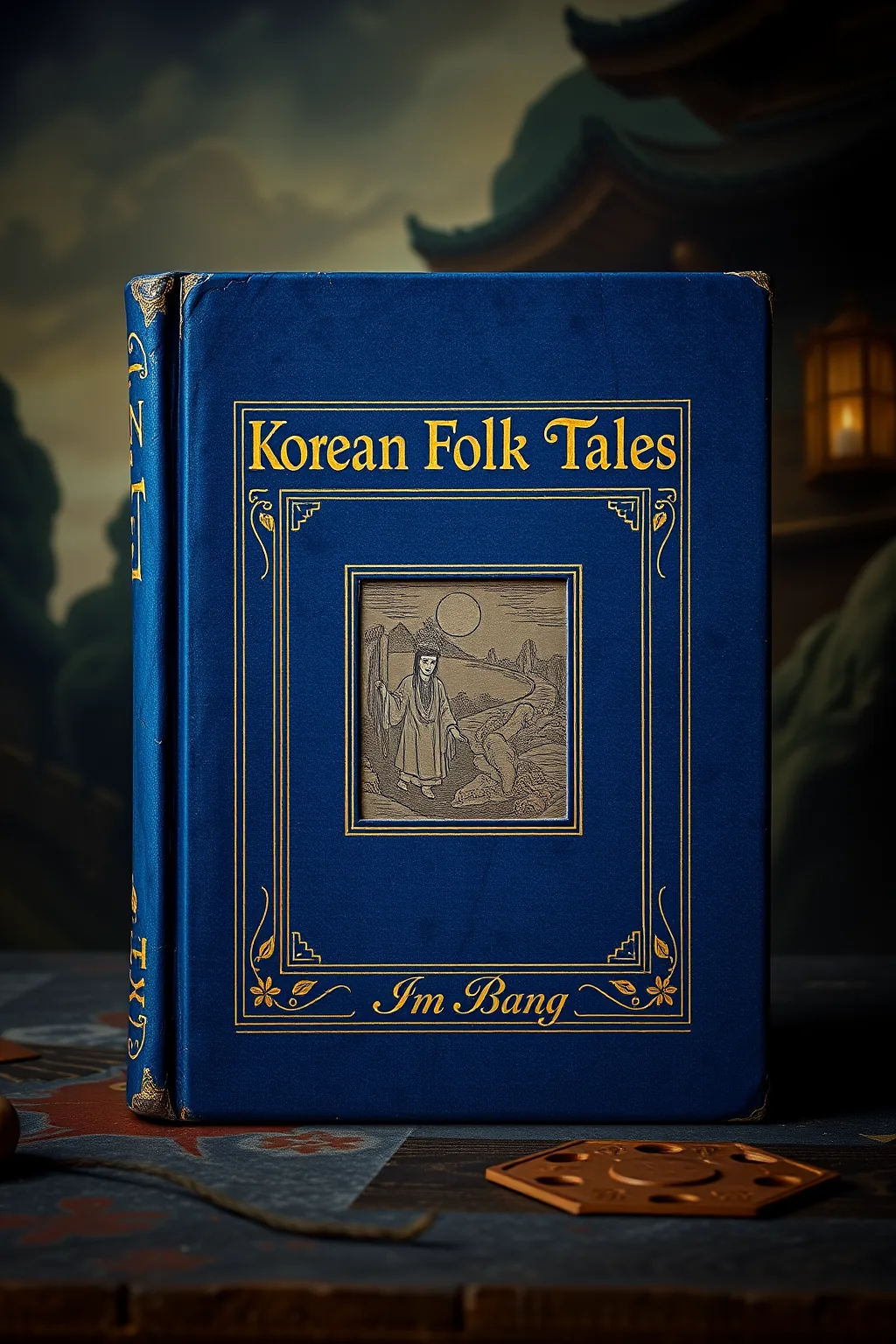
Korean Folk Tales: Imps, Ghosts and Fairies
 83
83

Korean Folk Tales: Imps, Ghosts and Fairies

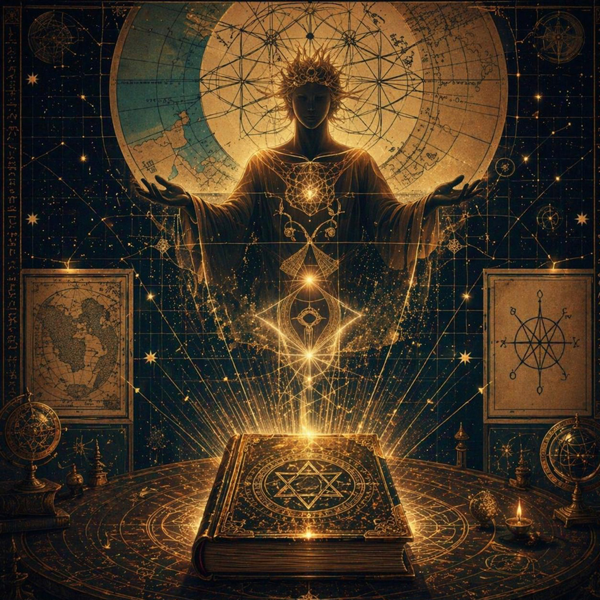

Isolde Whitaker, Sacred Texts Editor: 'Korean Folk Tales: Imps, Ghosts and Fairies' is an indispensable addition to any esoteric library. Gale's translation breathes life into Im Bang's timeless tales, offering profound insights into Korean shamanism and animistic traditions. The collection masterfully navigates the liminal spaces between the mundane and the magical, exploring archetypal figures that resonate across cultures. Readers will discover potent symbols of transformation, cautionary wisdom, and the enduring power of the narrative. This volume is a treasure trove for scholars of comparative mythology, practitioners seeking cross-cultural spiritual understanding, and anyone drawn to the raw, unvarnished magic of ancient storytelling.
📝 Description
83
Published in 1913, 'Korean Folk Tales' presents 53 narratives compiled by Yi Yook and Im Bang.
This collection, translated by James Scarth Gale, gathers tales originally compiled in the 15th and 17th centuries. It introduces readers to a world of Korean folklore populated by various supernatural beings. The stories feature enchanted animals, spirits, goblins, and witches, offering a window into the beliefs and imagination of historical Korea. These narratives touch upon animistic ideas and the relationship between humans and the spiritual world.
Each story provides insight into common human experiences like desire and consequence, alongside a fascination with the supernatural. The book serves as a resource for understanding the spiritual and philosophical aspects of East Asian folklore. It contains symbolism and knowledge valuable to those interested in these traditions.
This collection is part of the broader tradition of documenting and interpreting folk beliefs, which often contain esoteric elements. The stories reflect a worldview where the spiritual and material realms are closely connected. Such collections are crucial for understanding the underpinnings of folk religion and popular magic, revealing concepts of influence, spirit appeasement, and the consequences of transgressing spiritual boundaries. They offer a glimpse into the practical application of belief systems that shaped daily life and ritual practices in historical Korea.
✍️ Author

Im Bang
Mayim Chaya Bialik ( MY-im bee-AH-lik; born December 12, 1975) is an American actress and former game show host. From 1991 to 1995, she played the title character of the NBC sitcom Blossom.
💡 Why Read This Book?
Delve into the enchanting and often eerie spirit world of ancient Korea. This collection offers a unique window into animistic beliefs, shamanistic practices, and the moral and philosophical lessons embedded in traditional folklore. It's an ideal read for spiritual seekers, comparative mythology scholars, and practitioners interested in understanding the esoteric underpinnings of East Asian culture and its enduring connection to the supernatural.
⭐ Reader Reviews
Honest opinions from readers who have explored this book.
❓ Frequently Asked Questions
What is the historical origin of these tales?
These 53 tales were meticulously collected by Yi Yook and Im Bang during the 15th and 17th centuries, offering a direct glimpse into the folklore and belief systems of that era in Korea.
What types of supernatural beings are featured?
The collection teems with a rich array of beings, including imps, ghosts, fairies, goblins, witches, enchanted animals, and various spirits, reflecting a diverse spiritual landscape.
Who was James Scarth Gale and why is his translation important?
James Scarth Gale was a Canadian missionary and scholar who spent decades in Korea. His meticulous translation, published in 1913, made these vital Korean folk tales accessible to a Western audience for the first time.
Are these tales suitable for beginners in folklore study?
Yes, the tales are presented in an accessible narrative style, making them enjoyable for newcomers to folklore while still offering depth for seasoned scholars.
What is the philosophical significance of these stories?
The stories often explore themes of karma, the consequences of actions, the balance between good and evil, and the human relationship with the natural and supernatural worlds, offering timeless wisdom.
🔮 Key Themes & Symbolism
The Intertwined Worlds of Spirit and Human
This collection vividly illustrates the permeable boundary between the mortal realm and the domain of the supernatural. Tales explore how human actions ripple into the spirit world and how spirits, in turn, influence human lives. It reveals a worldview where nature is imbued with sentience, and unseen forces are constant companions, shaping destiny and offering both peril and useful insights into the cyclical nature of existence and the consequences of our choices.
Archetypal Figures and Universal Morality
The imps, fairies, ghosts, and witches within these narratives serve as potent archetypes, embodying primal fears, desires, and moral quandaries. They act as mirrors to the human condition, illustrating the virtues of kindness, wisdom, and perseverance, while cautioning against greed, deceit, and hubris. These characters are not merely fantastical creatures but conduits for ancient ethical teachings, reflecting a deep understanding of human nature and the universal quest for balance and harmony.
The Power of Storytelling and Cultural Transmission
Collected over centuries, these tales represent the enduring power of oral tradition and its role in preserving cultural identity and transmitting knowledge. They showcase the wide range of Korean imagination, offering insights into societal values, spiritual beliefs, and the collective unconscious of a people. The act of collecting and translating these stories underscores their importance in safeguarding this heritage for future generations, allowing the wisdom and wonder of Korean storytelling to transcend time and borders.
💬 Memorable Quotes
Direct passages from the work, attributed to the author.
“A ghost's sorrow lingers, a shadow of unfinished business.”
— This highlights the common folkloric motif of ghosts being bound to the earthly plane by unresolved earthly matters, emphasizing the connection between the living and the dead.
“Beware the goblin's jest, for it often hides a trickster's sharpest claw.”
— This warns of the deceptive nature of goblins, illustrating the need for vigilance and discernment when encountering seemingly harmless entities in the mystical world.
“The witch's brew held secrets older than the mountains themselves.”
— This suggests the profound, ancient knowledge possessed by witches, hinting at a connection to primal forces and forgotten wisdom.
“Even the smallest imp carried a lesson for the wise man.”
— This emphasizes the idea that wisdom can be found in unexpected places and that all beings, regardless of stature, can offer valuable teachings.
💡 Key Ideas
Editorial paraphrase of the work's core concepts — not direct quotes.
The fairies dwell in realms unseen, their laughter echoing through ancient pines.
This quote evokes the mystical nature of fairies, suggesting their existence in a dimension beyond ordinary perception, connected to the sacredness of nature.
🌙 Esoteric Significance
Tradition
These tales are deeply rooted in Korean shamanism and animism, ancient belief systems that predate organized religions. They reflect a worldview where spirits inhabit all aspects of nature and the cosmos, and where human existence is intricately woven with the spiritual realm. The narratives offer insights into ritual practices, ancestor veneration, and the belief in a dynamic, interconnected universe governed by karmic principles and the influence of spectral entities.
Symbolism
The collection is replete with potent symbolism. Fairies represent purity, enchantment, and the allure of the unknown. Ghosts symbolize unresolved karma, lingering emotions, and the bridge between life and death. Imps and goblins embody mischievous or challenging aspects of nature and human temperament, often serving as tricksters or tests. Animals frequently possess spiritual significance, acting as guides or omens. These symbols collectively form a rich lexicon for understanding the Korean spiritual landscape and its moral framework.
Modern Relevance
In an increasingly secularized and technologically driven world, these tales offer a powerful reminder of humanity's enduring connection to the mystical and the natural. They provide a grounding in ancient wisdom, encouraging introspection on themes of morality, consequence, and the unseen forces that shape our lives. For modern practitioners and seekers, these stories offer archetypal patterns and symbolic language that can inform personal growth, spiritual exploration, and a deeper appreciation for the interconnectedness of all existence.
👥 Who Should Read This Book
This collection is a treasure for a diverse audience. **Beginners** in folklore and mythology will find accessible, captivating narratives that introduce the wide range of Korean spiritual beliefs. **Scholars** of comparative religion, mythology, and East Asian studies will discover invaluable primary source material, offering insights into historical belief systems and cultural transmission. **Spiritual seekers** will be drawn to the profound wisdom, moral lessons, and exploration of the unseen realms. **Practitioners** of esoteric arts, particularly those interested in East Asian traditions, will find symbolic resonance and inspiration for their work, connecting with ancient archetypes and energies.
📜 Historical Context
Published in 1913, during a period of significant cultural exchange and academic interest in global folklore, 'Korean Folk Tales: Imps, Ghosts and Fairies' emerged from a Korea navigating complex geopolitical shifts. The early 20th century saw increased efforts to document and preserve indigenous traditions amidst burgeoning modernity and foreign influence. James Scarth Gale's translation and the original collection by Yi Yook and Im Bang from the 15th and 17th centuries represent a vital bridge, capturing the essence of Korean spiritual beliefs and storytelling practices before profound societal transformations altered the landscape. These tales thus serve as historical artifacts, offering a window into a Korea rich in animistic traditions, shamanistic rituals, and a deeply ingrained respect for the unseen forces that governed daily life.
📔 Journal Prompts
Reflect on a time you felt a presence or unexplained phenomenon. How might this tale offer a new perspective?
Consider the concept of karma as presented in these stories. How does it resonate with your understanding of cause and effect in your own life?
Choose a supernatural being from a tale and imagine its motivations and daily life. What lessons can be learned from its existence?
How do the natural elements in these stories (trees, mountains, rivers) seem to possess a consciousness? How does this differ from or align with your own view of nature?
If you encountered a fairy or ghost, what would be your first question or plea? How might your approach differ based on the encounters described in the book?
🗂️ Glossary
Animism
The belief that all natural objects, phenomena, and the universe itself possess an independent spiritual or psychic force, animating all things. Common in traditional Korean spiritual practices.
Shamanism
A religious practice characterized by the belief that a shaman can communicate with the spirit world. Korean shamanism (Muism) is a deeply ingrained tradition involving rituals and mediations.
Goblin (Dokkaebi)
In Korean folklore, these are supernatural beings often depicted as mischievous, sometimes helpful, but frequently tricksters associated with household objects or natural phenomena.
Ghost (Gwisin)
Spirits of the deceased who remain in the earthly realm, often due to unfinished business, strong emotions, or improper burial. They can be benevolent or malevolent.
Fairy (Seonnyeo)
Often depicted as celestial maidens or ethereal beings associated with nature, beauty, and sometimes divine realms. They can be benevolent or elusive.
This book appears in 5 collections
🔮 Readers Also Liked
Browse all →









From the “Transcendental Meditation” Collection
View all →



More Free Esoteric History & Biography Books
View all →