Tarot For Beginners

 74
74

Tarot For Beginners
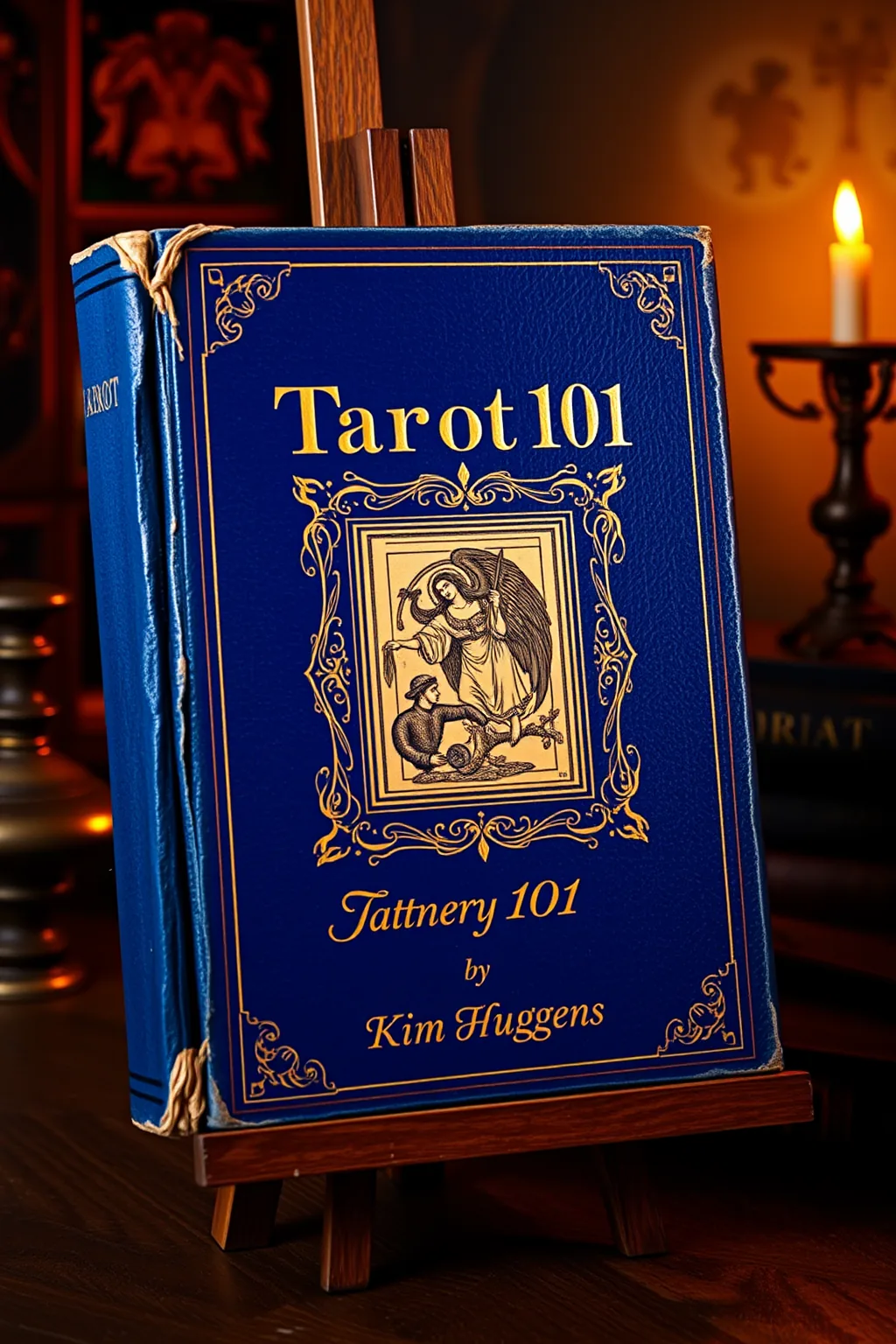
Shelly O'Bryan's Tarot For Beginners offers a straightforward entry point into a practice often shrouded in mystique. The book's strength lies in its clear, no-nonsense approach, particularly its emphasis on developing intuition alongside symbolic understanding. Unlike texts that overwhelm with arcane lore, O'Bryan focuses on the practical application of reading. A notable limitation, however, is the brevity with which some historical contexts are presented; the book could benefit from a more robust exploration of the late 19th-century occult revival's influence on modern Tarot interpretation. The section on interpreting card combinations, while functional, feels somewhat underdeveloped, leaving the reader to bridge significant gaps in understanding how multiple cards truly speak to each other beyond simple additive meanings. Despite this, the accessibility of its core lessons makes it a viable starting point for the curious newcomer.
📝 Description
74
### What It Is Tarot For Beginners by Shelly O'Bryan provides a foundational understanding of the Tarot, aiming to equip new practitioners with the skills to interpret the cards. The text covers the historical roots of Tarot, delving into the symbolic language inherent in the decks. It offers guidance on both individual card meanings and their interplay within a spread, encouraging intuitive reading alongside learned symbolism.
### Who It's For This book is designed for individuals new to Tarot, whether they have no prior knowledge or are seeking to refresh a past connection. It caters to those who wish to move beyond rote memorization of card meanings toward developing a personal, intuitive approach to divination. The methods presented are accessible to anyone ready to engage with the cards for self-exploration or guidance.
### Historical Context The work situates Tarot within its historical development, acknowledging its origins and evolution. While the book itself was first published in 2021, it addresses the long lineage of Tarot, tracing its journey from 15th-century Italy, where early decks like the Visconti-Sforza were created, through various cultural and symbolic shifts. It touches upon the esoteric interpretations that gained prominence in the late 19th and early 20th centuries.
### Key Concepts Central to Tarot For Beginners is the concept of symbolism as the primary language of the Tarot. The book emphasizes understanding the archetypal imagery on cards like The Fool or The High Priestess, not just as individual pictures but as carriers of deeper meaning. It introduces methods for intuitive interpretation, suggesting that personal connection and inner knowing play a crucial role alongside the established meanings of the Major and Minor Arcana.
💡 Why Read This Book?
• Gain a foundational understanding of Tarot symbolism, learning to interpret the archetypal imagery on cards like The Fool, as presented in Chapter 3, moving beyond simple memorization. • Develop your intuitive reading skills by engaging with O'Bryan's methods for personal interpretation, which are detailed throughout the book, fostering a unique connection to the cards. • Understand the historical lineage of Tarot, with the book referencing its 15th-century Italian origins, providing context for the evolution of card meanings and practices.
⭐ Reader Reviews
Honest opinions from readers who have explored this book.
❓ Frequently Asked Questions
What is the primary focus of Tarot For Beginners?
The book's primary focus is to provide a comprehensive introduction to Tarot reading for absolute beginners. It covers the history of Tarot cards, their symbolism, and practical methods for interpreting individual cards and spreads.
Does Tarot For Beginners explain the symbolism of each card?
Yes, Tarot For Beginners explains the symbolism represented in the decks, guiding readers to understand the deeper meanings associated with each card, particularly within the Major and Minor Arcana.
Is this book suitable for someone who has read Tarot before?
Absolutely. The book is designed for absolute beginners but also offers value for those looking to reconnect with or deepen their understanding of Tarot, providing methods for intuitive interpretation.
What kind of interpretation methods are taught in the book?
The book teaches methods for reading cards as encountered and for making intuitive interpretations of each card individually, as well as in combination within a spread.
When was Tarot For Beginners first published?
Tarot For Beginners by Shelly O'Bryan was first published on April 22, 2021.
Does the book cover the history of Tarot cards?
Yes, the book includes a section on the history behind Tarot cards, providing context for their development and use as a tool for divination and self-reflection.
🔮 Key Themes & Symbolism
Symbolism and Archetypes
The core of Tarot For Beginners lies in decoding the rich symbolic language of the cards. The book guides readers to understand archetypal imagery, such as The Fool's journey or The High Priestess's mysteries, not just as static pictures but as dynamic representations of universal human experiences and spiritual concepts. It encourages readers to see the deck as a visual narrative, where each card contributes to a larger story or psychological landscape, fostering a deeper connection with the subconscious through visual metaphor.
Intuitive Interpretation
Beyond memorizing traditional meanings, this book champions the development of personal intuition in Tarot reading. It provides practical techniques to help readers connect with their inner knowing, encouraging them to trust their gut feelings when interpreting card combinations. This approach transforms Tarot from a rigid system into a fluid dialogue between the reader, the cards, and the querent, emphasizing that personal resonance is key to unlocking the Tarot's guidance.
Foundational Knowledge
Tarot For Beginners aims to establish a solid base for new practitioners. It covers essential elements like the historical origins of Tarot, tracing its evolution from early decks to its modern esoteric applications. Understanding this foundation helps demystify the practice and provides context for the significance of the Major and Minor Arcana, ensuring readers build their skills on a well-informed basis.
Practical Application
The book focuses on actionable methods for reading the Tarot. It doesn't just explain what the cards mean but how to use them effectively in readings. This includes guidance on interpreting individual cards in various contexts and understanding how they interact within a spread, equipping readers with the confidence to perform their own readings for themselves or others.
💬 Memorable Quotes
“It doesn't matter if you're an absolute beginner or if you're looking to reconnect to the Tarot that you've known before.”
— This statement highlights the book's inclusive approach, aiming to serve both those completely new to Tarot and individuals seeking to refresh or deepen their existing relationship with the cards.
“Learn about the Symbolism represented in the decks.”
— This emphasizes the book's focus on the visual language and deeper meanings embedded within Tarot imagery, suggesting that understanding symbolism is key to unlocking the cards' messages.
“Methods provided to teach you how to not only read the cards as you encounter them, but also how to make intuitive interpretations.”
— This points to the practical, skill-building aspect of the book, promising readers techniques for both understanding established meanings and developing their own intuitive connection to the Tarot.
“If you're ready to learn how to read Tarot, then Tarot For Beginners is for you!”
— This direct address serves as an invitation, clearly positioning the book as the go-to resource for anyone aspiring to learn the art of Tarot reading.
“Inside this book you'll find the history behind Tarot Cards and learn about the Symbolism represented in the decks.”
— This concisely outlines the foundational content, assuring potential readers that they will receive both historical context and an exploration of the symbolic elements crucial for Tarot interpretation.
🌙 Esoteric Significance
Tradition
This work aligns with the modern Western esoteric tradition, particularly the lineage influenced by the Hermetic Order of the Golden Dawn and later interpretations by figures like A.E. Waite. It bridges the gap between historical esoteric practices and contemporary accessible spirituality, focusing on the Tarot as a tool for self-knowledge and psychological insight rather than solely ritualistic magic. It departs from more complex ceremonial systems by prioritizing intuitive understanding and personal connection.
Symbolism
Key symbols explored include The Fool, representing new beginnings and the leap of faith into the unknown, and The High Priestess, embodying intuition, mystery, and the subconscious. The book emphasizes that these archetypes, present in the Major Arcana, serve as powerful metaphors for stages of human experience and spiritual development, offering insights into the hidden aspects of the psyche and the unfolding journey of life.
Modern Relevance
In contemporary practice, works like Tarot For Beginners are crucial for introducing newcomers to the esoteric value of Tarot. They are drawn upon by modern spirituality practitioners, mindfulness coaches, and those exploring psychological archetypes. The book's emphasis on intuition and personal meaning resonates with current trends in self-help and personal development, making the ancient symbolic language of Tarot accessible to a wide audience seeking guidance.
👥 Who Should Read This Book
• Aspiring Tarot readers with no prior experience, seeking a clear, structured introduction to card meanings and interpretation techniques. • Individuals interested in developing their intuition and self-awareness through symbolic exploration, looking for a practical guide to a well-known esoteric tool. • Those curious about the historical and symbolic evolution of Tarot, wanting to understand its roots beyond modern popularization.
📜 Historical Context
Tarot For Beginners, published in 2021, enters a long tradition of esoteric practice that gained significant traction during the late 19th and early 20th centuries. This period saw a surge of interest in occultism, with figures like Arthur Edward Waite and Pamela Colman Smith revolutionizing Tarot with their Rider-Waite-Smith deck (1909). Their work, deeply influenced by the Hermetic Order of the Golden Dawn, shifted Tarot interpretation towards a more complex symbolic and psychological system, moving away from earlier divinatory practices. While O'Bryan's work is a modern entry, it engages with this legacy, acknowledging the historical lineage that transformed Tarot from simple playing cards, first seen in 15th-century Italy, into a profound tool for self-discovery. The book's approach, focusing on accessible symbolism and intuition, reflects a contemporary desire to engage with esoteric tools in a personal and practical manner, often bypassing the more rigid academic or ceremonial frameworks that characterized earlier occult revivals.
📔 Journal Prompts
The Fool's journey and its implications for your current path.
Reflecting on the symbolism of The High Priestess in your personal intuition.
Interpreting the interaction between two specific Minor Arcana cards in a recent situation.
Developing a personal meaning for The Magician beyond its traditional interpretation.
Exploring the archetype of The Hermit in the context of your present introspection.
🗂️ Glossary
Major Arcana
The 22 trump cards of a Tarot deck, representing significant life lessons, archetypal themes, and spiritual journeys. They often signify major turning points or profound influences in a reading.
Minor Arcana
The 56 cards of a Tarot deck, divided into four suits (Wands, Cups, Swords, Pentacles), which represent more mundane, day-to-day events, challenges, and situations encountered in life.
Symbolism
The use of images and signs to represent ideas or qualities. In Tarot, each card is rich with symbols that convey deeper meanings related to the human experience and the spiritual path.
Intuitive Interpretation
The practice of reading Tarot cards by relying on one's inner knowing, feelings, and gut instincts, in addition to or instead of memorized meanings.
Spread
A specific arrangement of Tarot cards laid out in a pattern for a reading. Different spreads are designed to answer particular types of questions or explore specific aspects of a situation.
Archetype
A universal, archaic pattern of behavior or image that recurs in the literature and thought of many cultures, often representing fundamental human experiences or roles.
Divination
The practice of seeking knowledge of the future or the unknown by supernatural means. Tarot is often used as a tool for divination and self-reflection.