90 Days to Learning the Tarot
 74
74

90 Days to Learning the Tarot
Lorri Gifford’s ‘90 Days to Learning the Tarot’ offers a pragmatic, step-by-step immersion into the cards, a welcome antidote to the often-intimidating lore surrounding Tarot. The book’s strength lies in its methodical 90-day framework, which breaks down the seventy-eight cards into manageable daily or weekly lessons, fostering consistent engagement. Gifford’s emphasis on integrating personal intuition with divine guidance provides a spiritual anchor, moving the practice beyond simple interpretation to a dialogue with the self and the cosmos. A potential limitation is that for those already familiar with Tarot archetypes, the pace might feel slow. However, the section detailing the Major Arcana, particularly its framing of The Fool’s journey, provides a clear and compelling narrative arc for understanding the spiritual progression within the deck. This book serves as a reliable entry point for the earnest novice.
📝 Description
74
### What It Is
'90 Days to Learning the Tarot' by Lorri Gifford offers a structured, accessible approach to understanding the Tarot. Published in 2014, this program is designed to guide individuals through the symbolic language of the cards over a three-month period. It emphasizes connecting with divine guidance and intuition as integral components of Tarot reading. The book presents the Tarot not as a mere fortune-telling device, but as a mirror reflecting the user's personal experiences and inner landscape.
### Who It's For
This manual is primarily intended for beginners eager to learn the Tarot but who may feel overwhelmed by the sheer volume of information. It also appeals to those seeking a more spiritual or intuitive method of engaging with the cards, moving beyond rote memorization of meanings. Individuals looking to integrate Tarot into their daily lives for self-reflection and personal growth will find its progressive, 90-day structure particularly beneficial.
### Historical Context
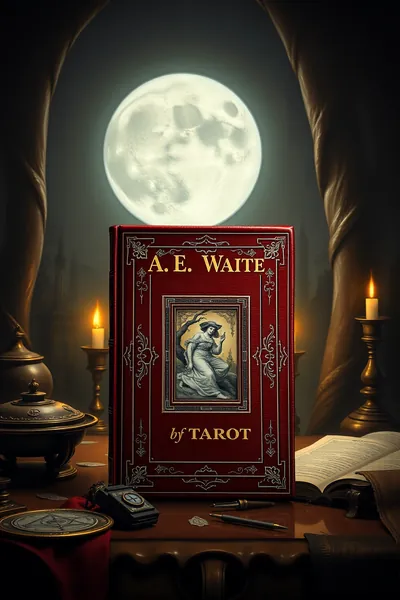
While the Tarot's origins trace back to 15th-century Italy, its widespread adoption as a tool for divination and spiritual exploration intensified in the late 19th and 20th centuries. Gifford's work, published in 2014, arrives in an era where numerous authors like Rachel Pollack and Mary K. Greer had already established comprehensive Tarot scholarship. Her program contributes to a contemporary wave of accessible, psychologically-oriented Tarot guides that emerged following the occult revival movements influenced by figures like A.E. Waite and Pamela Colman Smith, whose Rider-Waite deck remains a foundational influence.
💡 Why Read This Book?
• You will learn a structured 90-day method for Tarot mastery, moving from the Minor Arcana to the Major Arcana, which provides a clear progression not found in more general introductions. • You will gain tools to connect with divine guidance while interpreting card meanings, a specific approach highlighted by Gifford’s emphasis on spiritual dialogue. • You will discover how Tarot imagery can reflect immediate personal experiences, a practical application of card symbolism that Gifford details throughout the program.
⭐ Reader Reviews
Honest opinions from readers who have explored this book.
❓ Frequently Asked Questions
What is the main goal of '90 Days to Learning the Tarot'?
The book's primary goal is to provide a structured, 90-day program for beginners to learn and connect with the Tarot, emphasizing intuition and divine guidance for personal growth.
Who is Lorri Gifford and when was this book first published?
Lorri Gifford is the author of '90 Days to Learning the Tarot'. The book was first published in 2014, offering a contemporary approach to Tarot study.
Does the book require prior knowledge of Tarot?
No, the program is specifically designed for beginners. It systematically introduces the cards and their meanings over a 90-day period.
What approach does Gifford take to Tarot interpretation?
Gifford advocates for a blend of understanding card meanings with tapping into intuition and seeking divine guidance, viewing Tarot as a tool for self-reflection and personal transformation.
How does the book help apply Tarot to everyday life?
The program teaches readers to see the stories within Tarot cards as reflections of their own current life situations, offering practical insights for personal, everyday experiences.
🔮 Key Themes & Symbolism
Intuitive Connection
The work strongly advocates for developing an intuitive connection with the Tarot, positioning it as a primary conduit for understanding the cards' messages. Gifford suggests that true Tarot mastery involves moving beyond memorized meanings to a place where the images on the cards speak directly to the reader's inner knowing and higher self. This approach is framed as a way to receive divine guidance, making each reading a deeply personal and spiritually resonant experience, applicable to the unfolding narratives of one's life.
Daily Spiritual Practice
Gifford structures the learning process as a 90-day program, encouraging daily engagement with the Tarot. This consistent practice is presented not just as an intellectual exercise but as a form of spiritual discipline. By dedicating time each day to study and reflection, readers are guided to integrate the Tarot’s wisdom into their daily lives, fostering a continuous dialogue with the divine and enhancing self-awareness over time. This routine aims to transform the reader's relationship with the cards.
Tarot as Personal Narrative
A central theme is the idea that the Tarot deck contains stories directly relevant to the reader's personal, everyday experiences. The book guides users to interpret the depicted images as reflections of their current life circumstances, challenges, and opportunities. This perspective reframes Tarot from a predictive tool to a symbolic language that illuminates the present moment, offering insights for navigating one's path and fostering a more fulfilling existence through self-understanding.
💬 Memorable Quotes
“The images depicted on your favorite Tarot deck will provide an overview of current stories taking place in your life right now.”
— This highlights the book's core premise: Tarot as a mirror to present reality. It encourages readers to see the cards not as abstract symbols, but as direct reflections of their immediate life circumstances and unfolding narratives.
“Connect to The Divine while learning the Tarot through this 90-day program.”
— This emphasizes the spiritual dimension of Gifford's approach. It positions Tarot learning as a pathway to connecting with a higher power, integrating spiritual practice with practical skill development over a defined period.
“The Tarot and stories told within the cards are magical and can apply to your personal, everyday experiences.”
— This interpretation underscores the accessible magic of the Tarot. It suggests that the archetypal stories within the cards are not removed from daily life but are, in fact, deeply relevant to our personal journeys and mundane realities.
“When combined with Divine Guidance, can provide transformation to a more fulfilling existence.”
— This points to the ultimate benefit of the program: transformation. It posits that by harmonizing Tarot study with spiritual connection, individuals can achieve profound changes leading to a more satisfying and purposeful life.
🌙 Esoteric Significance
Tradition
Gifford's work, while not explicitly aligning with a single esoteric lineage like Hermeticism or Kabbalah, draws heavily from the modern spiritualist and New Age movements that emerged in the late 19th and 20th centuries. These movements often synthesized various esoteric traditions, emphasizing personal intuition, divine connection, and self-transformation. The book fits within this broader stream by presenting Tarot as a tool for inner wisdom and spiritual guidance, accessible to the individual seeker without requiring adherence to a specific doctrine.
Symbolism
The work engages with the rich symbolism of the Tarot, particularly the archetypal figures of the Major Arcana, such as The Fool and The Magician. These are presented not just as symbolic representations but as active forces or stages within a personal spiritual journey. The imagery on cards like The High Priestess is explored in terms of accessing hidden knowledge and intuition, while The Chariot might symbolize the integration of personal will with divine direction for forward movement.
Modern Relevance
Contemporary spiritual and self-help practices continue to draw from accessible Tarot guides like Gifford's. Modern practitioners in fields like intuitive coaching, mindfulness, and personal growth often utilize Tarot as a tool for self-reflection and insight generation. Schools of thought focusing on embodied spirituality and psychological archetypes, influenced by figures such as Carl Jung, also find resonance in the symbolic language of the Tarot as presented in works aimed at broad accessibility.
👥 Who Should Read This Book
• Absolute beginners to Tarot seeking a structured, day-by-day learning plan that demystifies the card meanings. • Individuals interested in spiritual development who wish to integrate divine guidance and intuition into their Tarot practice, moving beyond rote memorization. • Those looking for practical tools to apply Tarot insights to their everyday personal experiences for self-reflection and growth.
📜 Historical Context
Lorri Gifford's '90 Days to Learning the Tarot,' published in 2014, emerged within a landscape already rich with Tarot scholarship, heavily influenced by the work of figures like A.E. Waite and Pamela Colman Smith whose Rider-Waite deck, first published in 1909, became a standard. The late 20th and early 21st centuries saw a surge in accessible, psychologically-oriented Tarot guides, often building upon the foundations laid by earlier occult revival movements and thinkers like Aleister Crowley. Gifford’s program aligns with this contemporary trend, offering a structured, beginner-friendly entry point. Unlike the more esoteric or academic analyses, her work prioritizes a practical, daily engagement model. The reception of such works in this period generally favors personal development and intuitive exploration, moving away from purely divinatory applications, though the latter remains a significant aspect for many practitioners. This book contributes to the ongoing popularization and integration of Tarot into everyday self-help and spiritual practices.
📔 Journal Prompts
Reflect on The Fool's journey as depicted in the Major Arcana and its parallel to your current life path.
Consider the symbolism of The High Priestess and how you can better access your inner intuition.
How does the message of The Magician, as presented in the 90-day program, apply to your immediate goals?
Analyze the daily messages from the Minor Arcana and their connection to current events in your life.
Explore the concept of Divine Guidance as described by Gifford and its role in your Tarot readings.
🗂️ Glossary
Tarot Deck
A deck of 78 cards, traditionally divided into the Major Arcana (22 cards representing significant life lessons and archetypes) and the Minor Arcana (56 cards detailing everyday situations and challenges).
Major Arcana
The set of 22 Trump cards in a Tarot deck, often seen as representing the soul's journey or significant spiritual milestones and archetypal forces.
Minor Arcana
The 56 cards of a Tarot deck, divided into four suits (Wands, Cups, Swords, Pentacles), which typically represent day-to-day events, people, and situations.
Divine Guidance
The concept of receiving wisdom, insight, or direction from a higher power or spiritual source, often accessed through intuition, prayer, or meditation.
Intuition
The ability to understand something immediately, without the need for conscious reasoning; a gut feeling or inner knowing.
Archetypes
Universal, archaic patterns and images that derive from the collective unconscious and are the psychic counterpart of instinct. In Tarot, they are embodied by the figures of the Major Arcana.