フルーツバスケット 15

 77
77

フルーツバスケット 15
Volume 15 of Fruits Basket continues its methodical exploration of the Sohma family's fractured dynamics and Tohru Honda's unwavering empathy. The strength here lies in Takaya's consistent ability to imbue even minor characters with significant emotional weight, making their struggles feel palpable. A particular passage, wherein Kyo grapples with his own self-loathing in the shadow of Akito's control, powerfully illustrates the narrative's core conflict between external coercion and internal will. However, the sheer number of interwoven plot threads, while rich, can occasionally lead to a sense of narrative diffusion, where immediate emotional impact is slightly diluted by the need to service multiple character arcs simultaneously. The work remains a compelling, if sometimes emotionally taxing, study of healing and acceptance. It's a volume that rewards patient readers invested in the long arc of character redemption.
📝 Description
77
Fruits Basket, Volume 15, published in 2004, continues Tohru Honda's story with the cursed Sohma family.
This volume advances Natsuki Takaya's narrative, focusing on the emotional growth of Tohru Honda and the Sohma family. The story delves into the lasting effects of inherited trauma and the struggle for self-acceptance against societal pressures. Each chapter reveals more about the characters' pasts, creating new conflicts in their present relationships. Readers invested in characters facing deep psychological issues, particularly those rooted in family problems and social bias, will appreciate this installment. It is suitable for those interested in stories that combine everyday life with supernatural elements, showing how external curses affect internal states. Fans of Takaya's distinct writing style, which balances sadness with warmth and humor, will find this volume engaging.
While not tied to a specific esoteric movement, Fruits Basket, Volume 15, published in 2004, engages with broader cultural conversations about mental well-being and the impact of family dynamics. The series, which began serialization in 1998, belongs to a generation of shojo manga that moved beyond simple romance to examine complex psychological and social themes. The narrative consistently uses the concept of the Zodiac curse, binding the Sohma family members, as a metaphor for internalized struggles and generational burdens.
💡 Why Read This Book?
• Understand the symbolic weight of the Zodiac curse as a metaphor for inherited trauma, a concept central to the Sohma family's dysfunction, offering unique insights into generational psychological burdens. • Experience Tohru Honda's resilient empathy in action as she navigates complex interpersonal conflicts, providing a model for compassionate interaction inspired by her character's arc. • Witness the nuanced portrayal of emotional repression and liberation, particularly as characters like Kyo Sohma confront their inner demons, offering a fictional exploration of psychological healing.
⭐ Reader Reviews
Honest opinions from readers who have explored this book.
❓ Frequently Asked Questions
What is the significance of the Zodiac curse in Fruits Basket Volume 15?
The Zodiac curse in Volume 15 functions as a potent metaphor for inherited trauma and familial expectations, trapping Sohmas in predetermined roles and emotional states, hindering their genuine self-expression.
How does Fruits Basket Volume 15 explore themes of self-acceptance?
The volume delves into characters' struggles to accept themselves beyond the constraints of their cursed identities and family pressures, showcasing their journeys toward emotional authenticity and freedom.
Who is Natsuki Takaya, the author of Fruits Basket?
Natsuki Takaya is the Japanese manga artist who created Fruits Basket. She is known for her distinctive art style and ability to craft emotionally resonant stories, with this series being her most internationally recognized work.
What is the original publication year of Fruits Basket Volume 15?
Fruits Basket Volume 15 was first published in Japan in 2004, continuing the serialization that began in 1998.
Does Volume 15 of Fruits Basket introduce new characters?
While Volume 15 primarily focuses on developing existing characters and their relationships, it may introduce or further explore the backstories of supporting characters within the extensive Sohma family tree.
What kind of narrative progression can be expected in Volume 15?
Readers can expect continued character development, deepening emotional conflicts, and the unfolding of long-term plot arcs, as the narrative progresses towards resolution for the central characters.
🔮 Key Themes & Symbolism
The Zodiac Curse as Metaphor
The binding of the Sohma family members to the Chinese Zodiac animals is more than a supernatural plot device; it serves as a profound metaphor for inherited trauma, societal conditioning, and the struggle to break free from predetermined destinies. Volume 15 likely continues to explore how this curse manifests not just physically, but as deeply ingrained psychological patterns, forcing characters to confront familial legacies and their own capacity for self-determination. The narrative uses this esoteric concept to examine the universal human experience of struggling against external forces that limit personal freedom and authentic expression.
Empathy and Emotional Healing
At the heart of Fruits Basket, and continuing in Volume 15, is the theme of empathy, primarily embodied by Tohru Honda. Her persistent kindness and understanding act as a catalyst for the emotional healing of the cursed Sohmas. The work explores how genuine compassion can begin to dismantle the walls built by trauma and isolation. This theme suggests that connection and mutual understanding are potent forces capable of mitigating the destructive effects of internal and external curses, offering a hopeful perspective on overcoming deep-seated emotional pain.
Identity vs. Imposed Roles
A central conflict in the series, amplified in Volume 15, is the tension between a character's true self and the roles imposed upon them by family, society, or supernatural circumstances like the Zodiac curse. Characters grapple with who they are versus who they are expected to be, particularly in relation to Akito Sohma and the family patriarch's rigid expectations. This theme invites reflection on the nature of identity and the courage required to shed societal masks and familial expectations to live authentically.
The Burden of Legacy
Fruits Basket, Volume 15, continues to examine the weight of family legacy and tradition, particularly through the lens of the Sohma curse. Characters are burdened by the actions and expectations of previous generations, creating a cycle of suffering. The narrative explores how this inherited burden impacts their present lives, relationships, and future prospects. It questions whether breaking free from such legacies is possible and what sacrifices are necessary to forge an independent path.
💬 Memorable Quotes
Direct passages from the work, attributed to the author.
“Tohru's kindness is like a light.”
— This interpretation reflects the common sentiment regarding Tohru Honda's character, portraying her empathy and optimism as a transformative force capable of useful and healing the darkness surrounding the cursed Sohmas.
“Family ties can be a prison.”
— This concept highlights the oppressive nature of the Sohma family structure, where familial bonds, twisted by the curse and tradition, become a source of confinement rather than support, trapping individuals in cycles of suffering.
💡 Key Ideas
Editorial paraphrase of the work's core concepts — not direct quotes.
The curse makes it hard to be myself.
This paraphrased sentiment captures the essence of the Sohma family's struggle, where their supernatural affliction directly inhibits their ability to express their true identities, highlighting the conflict between external forces and internal selfhood.
I don't want to be a monster.
This quote embodies the deep-seated fear and self-loathing experienced by characters like Kyo Sohma, who are terrified of succumbing to the darker aspects of their cursed nature and harming those they care about.
Akito's power controls us.
This paraphrased statement reflects the pervasive influence and control wielded by Akito Sohma over the cursed family members, illustrating the oppressive dynamic that defines much of their existence and internal conflict.
🌙 Esoteric Significance
Tradition
Fruits Basket does not adhere strictly to a single esoteric tradition but draws broadly from archetypal symbolism and psychological allegory common in Gnostic and Hermetic thought, particularly concerning the themes of entrapment and liberation. The Zodiac curse can be seen as a form of ensoulment or binding, akin to Gnostic ideas of the soul trapped in a material world or by false demiurges. The characters' journey towards self-discovery and freedom from their imposed destinies mirrors the Gnostic pursuit of gnosis and escape from a flawed creation. Takaya uses these underlying conceptual frameworks to explore universal human struggles with identity and fate.
Symbolism
The primary symbols are the twelve animals of the Chinese Zodiac, each representing a specific personality archetype and the associated curse. These animals are not merely decorative but embody the characters' internal struggles and the limitations imposed by their family legacy. Akito Sohma, as the 'god' of the family, symbolizes a tyrannical, controlling force, akin to a flawed demiurge, who seeks to maintain order through subjugation. The lingering scent of the cursed individuals, particularly when they transform, can symbolize the inescapable nature of their affliction and the raw, animalistic aspects of their suppressed selves.
Modern Relevance
Contemporary therapeutic modalities, particularly those focusing on trauma-informed care and attachment theory, find echoes in Fruits Basket's exploration of inherited psychological burdens and the need for secure, empathetic relationships. Thinkers and practitioners in fields like narrative therapy might draw parallels to how characters reconstruct their life stories to overcome adverse familial narratives. Furthermore, the series' exploration of breaking cycles of abuse and finding personal freedom continues to resonate with modern discussions on intergenerational trauma and the pursuit of authentic selfhood in a complex world.
👥 Who Should Read This Book
• Readers interested in the psychological underpinnings of folklore and mythology, particularly how ancient concepts like the Zodiac can be reinterpreted to explore modern themes of trauma and identity. • Students of comparative literature and narrative structure who wish to analyze how a long-form manga series develops complex character arcs and symbolic meaning over multiple volumes. • Individuals seeking fictional narratives that explore themes of emotional healing, empathy, and overcoming adversity through relatable characters and a blend of supernatural and slice-of-life elements.
📜 Historical Context
Published in 2004, Fruits Basket, Volume 15, arrived during a significant period for manga's global expansion. The early 2000s saw a surge in the popularity and critical recognition of Japanese comics in Western markets, with shojo manga like Fruits Basket playing an important role in this diversification. While not directly aligned with a specific esoteric movement of that year, Takaya's work tapped into a growing cultural interest in themes of psychological well-being and the impact of familial structures, which were gaining traction in broader societal discourse. This era was also marked by the rise of anime adaptations as major gateways for manga properties, elevating series like Fruits Basket to international fame. Unlike earlier, more simplistic romantic narratives within the shojo genre, Takaya's approach, which began serialization in 1998, was part of a wave of manga that explored deeper, more complex emotional and psychological terrain, earning it a dedicated readership and critical appreciation that continues to influence discussions on narrative depth in popular media.
📔 Journal Prompts
The inherited burden of the Sohma curse and its impact on Kyo's self-perception.
Tohru Honda's unwavering empathy as a force for healing within the Sohma family.
The conflict between one's true identity and the roles imposed by family or circumstance.
Reflecting on the symbolism of the Zodiac animals as archetypes of personality and limitation.
The cyclical nature of trauma and the possibility of breaking free from familial legacies.
🗂️ Glossary
Zodiac Curse
A supernatural affliction binding members of the Sohma family to the spirits of the Chinese Zodiac animals, causing them to transform when embraced by someone of the opposite sex or under stress.
Sohma Family
A wealthy, influential family in which many members are cursed by the spirits of the Chinese Zodiac, leading to complex familial relationships and internal conflicts.
Akito Sohma
The head of the Sohma family and the possessor of the 'God' spirit, who exerts significant emotional and psychological control over the other cursed family members.
Tohru Honda
The protagonist, an orphaned high school student who, through her kindness and empathy, begins to heal the emotional wounds of the cursed Sohma family members.
Cursed Spirit Transformation
The involuntary physical change into an animal form that cursed Sohma family members undergo, often triggered by emotional distress or physical intimacy.
Inherited Trauma
Psychological patterns and emotional responses passed down through generations, often manifesting as deep-seated fears, anxieties, or behavioral issues, as seen with the Sohmas.
Gnosis
In a Gnostic context, refers to spiritual knowledge or insight, often concerning salvation and liberation from a flawed material existence, paralleling the characters' search for self-understanding.
🔮 Readers Also Liked
Browse all →







More by 高屋奈月
All books →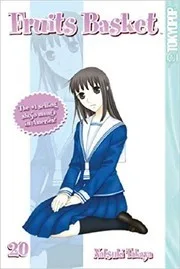





More Free Astrology & Cosmology Books
View all →