フルーツバスケット 10

 78
78

フルーツバスケット 10
Volume 10 of Fruits Basket, by Natsuki Takaya, presents a steady progression in the overarching narrative, focusing intently on the emotional fallout from previous revelations. The strength of this installment lies in Takaya's consistent ability to imbue even minor character interactions with significant emotional weight. The slow burn of Kyo and Tohru's evolving relationship, for instance, is handled with characteristic sensitivity. However, the pacing can feel deliberate, with certain plot threads moving at a glacial pace, which might test the patience of readers eager for more immediate resolutions. A notable passage involves Shigure's subtle manipulations, hinting at deeper machinations beneath his playful exterior, a recurring motif that continues to intrigue. Ultimately, this volume serves as a crucial, albeit sometimes slow, stepping stone in the series' intricate emotional landscape.
📝 Description
78
Fruits Basket, Volume 10, published in 2005, continues Tohru Honda's interactions with the Sohma family.
This 2005 installment of Natsuki Takaya's manga series centers on Tohru Honda and the Sohma family's ongoing struggles. The narrative progresses the emotional arcs of the characters, revealing more about their secrets and the ways these affect their relationships. Tohru's persistent empathy acts as a catalyst for change within the isolated Sohma clan.
Readers invested in the development of the Sohma family members, particularly their internal conflicts and the impact of their curse, will find this volume engaging. It balances everyday life moments with deeper explorations of psychological burdens and the universal need for acceptance. The complexity of the interpersonal dynamics remains a core appeal for long-time followers of the saga.
The Sohma family's curse, where members transform into animals of the Chinese zodiac, functions as a metaphor for inherited psychological burdens and the weight of family history. This resonates with esoteric traditions that view ancestral patterns and karmic connections as shaping individual lives. The narrative examines how these deeply ingrained patterns influence personality and interpersonal dynamics, suggesting a path toward breaking cycles through understanding and acceptance, a theme present in various spiritual and psychological frameworks.
💡 Why Read This Book?
• Gain a deeper understanding of the Sohma family's generational trauma, particularly through the specific anxieties and behaviors associated with the Monkey (Rin/Saki) and Dog (Shigure) spirits, offering a unique lens on inherited burdens. • Witness Tohru Honda's compassionate approach to healing, observing her specific interactions with characters like Kyo and Yuki, and learn how her empathy challenges deep-seated family curses. • Appreciate Natsuki Takaya's nuanced characterization, exemplified by the internal conflicts of characters such as Akito Sohma, and how these struggles reflect the 2005 cultural context of exploring mental well-being in manga.
⭐ Reader Reviews
Honest opinions from readers who have explored this book.
❓ Frequently Asked Questions
When was Fruits Basket Volume 10 originally published in Japan?
Fruits Basket Volume 10 was originally published in Japan in 2005, as part of Natsuki Takaya's long-running manga series.
What is the central theme explored in Fruits Basket Volume 10?
Volume 10 continues to explore the themes of inherited trauma, familial curses, and the power of empathy, focusing on the emotional development of the Sohma family and Tohru Honda.
Does Volume 10 introduce new cursed zodiac members?
While not introducing entirely new members to the zodiac, Volume 10 delves deeper into the established cursed members' psyches and backstories, particularly highlighting the emotional complexities of their animal spirits.
What is the significance of the year 2005 in relation to Fruits Basket?
2005 marks the publication year of Volume 10 in Japan, a period when the manga was at a significant point in its serialization, exploring darker and more complex character arcs.
How does Volume 10 build upon previous installments?
It deepens the character studies of the Sohma family, particularly Kyo and Yuki, and further explores the ramifications of Akito's actions and the family's curse, building narrative tension.
Is Volume 10 suitable for new readers of Fruits Basket?
While a complete story, Volume 10 is best appreciated as part of the larger Fruits Basket narrative. New readers are encouraged to start from Volume 1 to fully grasp character relationships and plot developments.
🔮 Key Themes & Symbolism
The Burden of Legacy
Volume 10 continues to scrutinize the concept of inherited trauma within the Sohma family. The zodiac curse serves as a potent metaphor for the inescapable weight of familial history, societal expectations, and unresolved grievances passed down through generations. Characters' personalities and actions are deeply influenced by the 'spirit' of the animal they embody, illustrating how deeply ingrained these legacies can become. Takaya uses these archetypes to explore the struggle between personal identity and the predetermined roles imposed by their bloodline, a central conflict evident since the series' early volumes.
Empathy as a Catalyst for Change
Tohru Honda's unwavering kindness and acceptance remain a driving force in this installment. Her presence acts as a counterpoint to the Sohma family's isolation and self-loathing. The narrative demonstrates how genuine empathy can begin to dismantle deeply entrenched psychological barriers and offer a path toward healing. This theme is particularly poignant in Tohru's interactions with characters like Kyo and Yuki, showcasing her ability to see beyond their curses and acknowledge their individual pain, a concept crucial since the manga's 1998 debut.
Unveiling Hidden Motivations
Beneath the surface of everyday interactions, Volume 10 hints at deeper layers of manipulation and unspoken truths within the Sohma household. Characters like Shigure and Akito are portrayed with an increasing sense of ambiguity, their actions driven by complex, often hidden, motivations. This theme explores the dissonance between outward appearances and inner turmoil, reflecting the psychological complexities Takaya consistently ties into the narrative. The gradual revelation of these underlying dynamics fuels the story's dramatic tension and character development.
The Nature of Belonging
Central to Volume 10 is the characters' yearning for acceptance and a sense of belonging, both within the Sohma family and in the wider world. The curse isolates them, creating a profound sense of otherness. Tohru's efforts to create a 'normal' family environment challenge this isolation, prompting characters to question their place and their right to happiness. This exploration of belonging is a consistent thread, particularly relevant in the context of 2005 Japan, where discussions around social integration and individual identity were evolving.
💬 Memorable Quotes
Direct passages from the work, attributed to the author.
“Tohru's kindness is like a light that doesn't judge, it just... is.”
— This interpretation emphasizes Tohru Honda's unique ability to offer unconditional acceptance. Her empathy is presented not as an active effort to 'fix' people, but as a fundamental quality that illuminates their inner worth, providing a stark contrast to the Sohma family's self-judgment.
“Sometimes the cage you're in is the one you built yourself.”
— This concept speaks to the self-imposed limitations and emotional prisons characters, particularly within the Sohma family, create for themselves. It suggests that true freedom often requires confronting one's own internal barriers rather than solely blaming external circumstances or the curse.
“The animal spirit is a part of you, but it doesn't have to define your whole life.”
— This interpretation underscores the series' message of agency. Despite the powerful influence of the zodiac curse, characters are shown to have the potential to transcend their inherited traits and animalistic tendencies, forging their own paths and identities beyond the confines of the curse.
💡 Key Ideas
Editorial paraphrase of the work's core concepts — not direct quotes.
The curse isn't just about turning into an animal, it's about what that animal represents of your inner self.
This paraphrased concept highlights how the zodiac curse in Fruits Basket transcends mere supernatural transformation. It serves as a powerful metaphor for characters' internalized struggles, anxieties, and the psychological burdens they carry, reflecting the series' deeper exploration of trauma and identity.
Akito's grip isn't just about power; it's about fear of being left alone.
This paraphrased concept examines Akito Sohma's motivations. It posits that his controlling behavior stems not purely from a desire for dominance, but from a deep-seated terror of abandonment, revealing a vulnerability beneath his tyrannical facade, a key element explored throughout the series.
🌙 Esoteric Significance
Tradition
While not strictly adhering to a single esoteric tradition, Fruits Basket draws heavily on the symbolism and cyclical nature inherent in the Japanese zodiac, which itself has roots in Chinese astrology and cosmology. The curse functions as a narrative mechanism that explores themes of fate, karmic consequence, and the interconnectedness of beings, echoing concepts found in Eastern spiritual philosophies. The narrative's focus on emotional healing and breaking free from cycles of suffering aligns with Buddhist principles of overcoming attachment and delusion.
Symbolism
The primary symbolism revolves around the twelve animals of the Chinese zodiac. Each animal (Rat, Ox, Tiger, Rabbit, Dragon, Snake, Horse, Goat, Monkey, Rooster, Dog, Boar) is associated with specific personality traits and inherent curses, representing archetypal human behaviors and psychological states. The Cat, notably absent from the zodiac but a significant character (Kyo), symbolizes the outsider, the outcast, and that which is excluded from the established order, highlighting themes of rejection and longing for acceptance.
Modern Relevance
Contemporary thinkers exploring narrative psychology and archetypal symbolism often cite Fruits Basket as an example of how ancient mythologies can be reinterpreted for modern audiences. Its nuanced portrayal of trauma and healing speaks to current discussions in mental health advocacy and therapeutic practices that utilize storytelling. The series' exploration of dysfunctional family dynamics and the search for identity continues to be relevant for readers and creators engaging with themes of personal growth and breaking generational cycles.
👥 Who Should Read This Book
• Fans of Natsuki Takaya's distinctive art style and character-driven narratives seeking to continue Tohru Honda's journey. • Readers interested in psychological shojo manga that explores themes of familial trauma, emotional healing, and the impact of curses through the lens of the Japanese zodiac. • Individuals who appreciate character development arcs focusing on overcoming adversity and finding belonging, particularly within complex family structures.
📜 Historical Context
Fruits Basket Volume 10 was published in 2005, a period when manga, particularly shojo, was solidifying its global appeal. Natsuki Takaya's work, while featuring the supernatural elements common in the genre, distinguished itself by exploring profound psychological and emotional territory. This era saw a growing mainstream interest in exploring themes of mental health and familial dysfunction, areas Takaya addressed with considerable depth. The series' original run (1998-2006) placed it as a contemporary work that, unlike lighter fare, offered a complex narrative arc dealing with abuse, trauma, and healing. Its reception was largely positive, resonating with a young female audience seeking more substantial storytelling. Competitors like *Fruits Basket* included other shojo manga that explored romance and friendship, but few matched its explicit focus on the lasting impact of childhood trauma and the intricacies of the Japanese zodiac system as a narrative device.
📔 Journal Prompts
The Sohma family's inherited curse and its connection to specific animal spirits.
Tohru Honda's unwavering empathy and its effect on those around her.
Akito Sohma's complex motivations and the fear of abandonment.
The symbolic meaning of the Cat's exclusion from the zodiac.
Personal reflections on breaking free from self-imposed emotional cages.
🗂️ Glossary
Zodiac Curse
A supernatural affliction binding members of the Sohma family to the spirits of the Chinese zodiac animals. When hugged by someone of the opposite sex, they transform into their respective animal.
Tohru Honda
The protagonist of Fruits Basket, known for her extreme kindness, empathy, and optimistic outlook, who becomes involved with the cursed Sohma family.
Kyo Sohma
A central character bound to the Cat spirit, known for his hot temper, tsundere personality, and complicated relationship with Yuki and Tohru.
Yuki Sohma
A central character bound to the Rat spirit, known for his gentle demeanor, popularity, and internal struggles stemming from his cursed lineage.
Akito Sohma
The head of the Sohma family and the 'god' of the zodiac curse, whose actions and emotional state heavily influence the cursed members.
Shojo Manga
A category of Japanese comics primarily targeted at a young female audience, often featuring romance, emotional drama, and character development.
Shigure Sohma
A dog spirit and a key member of the Sohma family, known for his eccentric personality, literary pursuits, and manipulative tendencies.
🔮 Readers Also Liked
Browse all →








More by 高屋奈月
All books →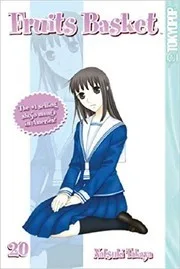





More Free Astrology & Cosmology Books
View all →