Fruits Basket, Vol. 12

 74
74

Fruits Basket, Vol. 12
Volume 12 of Natsuki Takaya's Fruits Basket presents a narrative that, while continuing to explore the poignant struggles of the Sohma family, occasionally feels like it’s treading water. The meticulous focus on Tohru Honda's unwavering empathy and her efforts to understand the cursed Sohmas remains a core strength. However, the pacing in this particular installment can feel drawn out, with significant plot progression often taking a backseat to introspection. A notable moment involves the deeper exploration of Akito Sohma's isolation and the complex dynamics he forces upon Kyo and Yuki, highlighting the psychological chains of the curse. While the emotional depth is commendable, a more dynamic forward momentum would have served the narrative better. Nevertheless, Takaya’s sensitive portrayal of emotional healing and the interconnectedness of familial trauma continues to be the series' most compelling aspect. This volume is a solid, if slow, continuation of a story that excels in character introspection.
📝 Description
74
Fruits Basket, Volume 12, published in 2005, continues Tohru Honda's story with the cursed Sohma family.
This installment deepens the narrative surrounding Tohru Honda and the Sohma family's curse, which binds them to the animals of the Chinese zodiac. Natsuki Takaya focuses on the slow unraveling of these familial afflictions and the complex relationships they create. The volume examines the emotional weight of these curses, guiding characters toward self-understanding and confronting their past.
The storytelling balances everyday moments with supernatural undercurrents. Readers will find characters grappling with the psychological impact of their hereditary burdens. This volume is for those already invested in the Sohma family's saga and interested in character arcs that address healing and breaking cycles of trauma within a fantastical framework.
Published in 2005, this volume arrived as manga, particularly shojo, saw increasing global recognition. Takaya's work stood out by tying the supernatural elements directly to the psychological consequences of curses rooted in the Chinese zodiac. This approach offered a specific take on the growing interest in stories that blended traditional narrative with unique magical or spiritual systems, moving beyond simpler fantasy tropes.
💡 Why Read This Book?
• Gain insight into the psychological weight of inherited curses, as seen in the specific struggles of characters like Akito Sohma, which offers a unique lens on generational trauma. • Experience Tohru Honda's unwavering compassion as she navigates the complex emotional landscape of the Sohma family, providing a model for empathy in challenging relationships. • Understand the symbolic significance of the Chinese zodiac animals not just as magical elements, but as representations of deeply ingrained personality traits and familial burdens.
⭐ Reader Reviews
Honest opinions from readers who have explored this book.
❓ Frequently Asked Questions
What is the significance of the Chinese zodiac in Fruits Basket, Vol. 12?
In Volume 12, the Chinese zodiac represents the core magical and psychological affliction of the Sohma family. Each cursed member is bound to an animal, transforming when hugged by someone of the opposite sex or when weak. This bond influences their personalities and relationships, serving as a metaphor for inherited trauma and destiny.
How does Volume 12 develop the character of Akito Sohma?
Volume 12 delves further into Akito Sohma's complex psyche, revealing more about his isolation and the profound emotional control he exerts over the other Sohmas. His actions and motivations are explored with greater depth, highlighting the pain and fear that fuel his possessiveness over the family and the zodiac bond.
What themes are prominent in Fruits Basket, Vol. 12?
Prominent themes include acceptance, the breaking of generational curses, the complexities of family relationships, and the struggle for self-identity. The volume emphasizes how characters confront their past traumas and seek emotional freedom, often through Tohru Honda's influence.
Is Volume 12 suitable for new readers of Fruits Basket?
Volume 12 is not ideal for new readers. As it is the twelfth installment, it assumes familiarity with the characters, their backstories, and the established magical premise of the Sohma family's curse. Beginning with Volume 1 is recommended for a complete understanding.
What is the publication year of Fruits Basket, Vol. 12?
Fruits Basket, Volume 12, was originally published in Japan in 2005 by Hakusensha. This volume continues the story that began serialization in 1998.
Does Volume 12 introduce new zodiac members?
While Volume 12 focuses on existing character dynamics and the deepening relationships, it primarily explores the established members of the Sohma family and their zodiac curses, rather than introducing new, previously unmentioned zodiac spirits.
🔮 Key Themes & Symbolism
The Zodiac Curse
The central esoteric element of Fruits Basket is the curse binding the Sohma family to the Chinese zodiac animals. Volume 12 continues to explore how this curse is not merely a magical transformation but a profound psychological inheritance. It manifests in distorted relationships, deep-seated insecurities, and a sense of inescapable fate. The narrative examines the 'bond' as a force that shapes identity and familial interaction, suggesting a mystical influence on human psychology and destiny that characters must confront.
Emotional Healing and Acceptance
A core theme is the arduous process of emotional healing and self-acceptance, particularly for the Sohma family members. Tohru Honda acts as a catalyst, offering unconditional empathy that encourages characters to confront their past traumas and societal conditioning. Volume 12 showcases the difficulty of breaking free from ingrained patterns of behavior and self-loathing, highlighting that true healing involves acknowledging pain and accepting oneself, flaws and all. This theme is crucial for understanding the characters' journeys beyond the supernatural element.
Family Dynamics and Isolation
The series meticulously dissects the complex and often toxic dynamics within the Sohma family, amplified by the zodiac curse. Volume 12 emphasizes the isolation experienced by key figures, most notably Akito Sohma, whose control stems from his own profound loneliness and fear. The narrative explores how familial bonds, when corrupted by obligation, abuse, or inherited burdens, can become sources of suffering rather than support, leading characters to seek connection outside the immediate family unit.
Destiny vs. Free Will
Fruits Basket, Vol. 12 engages with the esoteric concept of destiny versus free will. The zodiac curse imposes a predetermined path and set of behaviors upon the Sohmas, suggesting a powerful external force dictating their lives. However, the characters' struggle to defy these inherited limitations and forge their own identities questions the absoluteness of fate. Their efforts to break free represent a philosophical exploration of whether individuals can transcend their given circumstances through conscious choice and emotional resilience.
💬 Memorable Quotes
Direct passages from the work, attributed to the author.
“I don't want to be hated.”
— This sentiment, expressed by various characters under the weight of their curses and familial expectations, highlights a core human fear. It speaks to the vulnerability of the Sohmas, who often feel inherently flawed or burdensome due to their condition, and their deep desire for acceptance and belonging.
“The bonds are important, aren't they?”
— This reflects the dual nature of 'bonds' in Fruits Basket. While the zodiac curse represents a binding, often negative, connection, the series also explores the positive power of genuine emotional connection and support that characters like Tohru foster, suggesting a path to overcoming the curse.
“Everyone has their own place they want to go.”
— This concept underscores the theme of individual identity and aspiration. It suggests that despite the pressures of the Sohma family and the zodiac curse, each character possesses an inner desire for self-determination and a unique path they wish to pursue, often in defiance of their circumstances.
“I'm scared... I don't want to be alone.”
— This expression of fear and loneliness is particularly relevant to characters like Akito Sohma. It reveals the underlying vulnerability beneath their often harsh or controlling exteriors, suggesting that their actions are driven by a desperate need for connection and a fear of abandonment, amplified by their cursed existence.
💡 Key Ideas
Editorial paraphrase of the work's core concepts — not direct quotes.
It's because I'm a fool that I can't help but get involved.
This quote, often associated with Tohru Honda, expresses her earnest and perhaps naive determination to help others. It frames her empathy not as a weakness, but as an active, albeit sometimes self-sacrificing, choice to engage with the suffering of those around her, particularly the Sohmas.
🌙 Esoteric Significance
Tradition
Fruits Basket draws heavily on the symbolism and cyclical nature inherent in the Chinese zodiac, a tradition with ancient roots in Chinese cosmology and astrology. While not strictly adhering to Taoist or Buddhist frameworks, it adopts the zodiac as a central metaphor for destiny, personality archetypes, and familial inheritance. The curse functions as a mystical mechanism that embodies predetermined fate and the transmission of psychological burdens across generations, echoing themes found in various esoteric traditions that explore karma and ancestral influence.
Symbolism
The primary symbols are the twelve animals of the Chinese zodiac, each representing distinct personality traits and relational dynamics within the Sohma family. Volume 12 continues to explore the 'bond' as a symbol of inescapable connection and inherited trauma. Akito Sohma, often associated with the cat (though not officially one of the twelve) and the divine/patriarchal figure, symbolizes control and isolation. Tohru Honda, representing purity and unconditional love, acts as a counter-symbol to the curse, embodying hope and the potential for liberation.
Modern Relevance
The work's exploration of inherited trauma, the impact of toxic family dynamics, and the quest for emotional liberation continues to resonate with contemporary audiences and therapeutic discourse. Modern thinkers and practitioners interested in narrative psychology, attachment theory, and the healing power of empathy often cite Fruits Basket's sensitive portrayal of these issues. Its success paved the way for more complex, character-focused narratives in manga that tackle psychological depth, influencing subsequent works that explore similar themes of healing and self-discovery.
👥 Who Should Read This Book
• Fans of character-driven shojo manga seeking narratives focused on emotional depth and interpersonal relationships, particularly those who appreciate the exploration of psychological healing. • Readers interested in the symbolic use of cultural mythologies, specifically the Chinese zodiac, as a framework for exploring human nature and familial legacies. • Individuals exploring themes of overcoming adversity, breaking generational cycles, and the importance of empathy in navigating complex family structures and personal struggles.
📜 Historical Context
Fruits Basket, Vol. 12, published in 2005, arrived during a significant boom in the popularity of manga globally. Natsuki Takaya’s work was part of a wave of shojo manga that gained widespread international readership in the early 2000s, alongside series like Chibi Vampire (Karin) and Fruits Basket’s own contemporary, Nana by Ai Yazawa. This period saw publishers actively seeking titles that offered emotional depth and relatable struggles, even within fantastical premises. Takaya’s unique approach, blending the mystical elements of the Chinese zodiac with nuanced psychological exploration of trauma and familial bonds, set it apart. Unlike more action-oriented fantasy series, Fruits Basket focused on interpersonal relationships and emotional healing, resonating with an audience increasingly interested in character-driven narratives. The series’ success demonstrated a market appetite for stories that addressed complex social and psychological issues through a sympathetic lens, contributing to the broader acceptance of manga as a medium for mature storytelling.
📔 Journal Prompts
The Sohma family's zodiac curse and its impact on individual identity.
Tohru Honda's philosophy of acceptance and its application to difficult relationships.
Akito Sohma's isolation and the nature of his control over the family.
The concept of 'bonds'—both cursed and supportive—within the narrative.
Personal reflections on breaking free from inherited patterns or expectations.
🗂️ Glossary
Sohma Family
The central family in Fruits Basket, cursed such that its members transform into animals of the Chinese zodiac when embraced by someone of the opposite sex or when they are weak.
Zodiac Curse
The mystical affliction that binds the Sohma family members to the spirits of the Chinese zodiac animals, influencing their personalities and lives.
Akito Sohma
The head of the Sohma family and possessor of the 'god' spirit (often represented by the cat), who exerts significant emotional control over the other cursed members.
Tohru Honda
The protagonist, an orphaned high school student whose kindness and empathy begin to unravel the curses affecting the Sohma family members.
Bond
In Fruits Basket, this term refers both to the supernatural connection to the zodiac spirits and the complex emotional and psychological ties between family members.
Cat Spirit
While not one of the twelve zodiac animals, the cat is symbolically important to the Sohma family and Akito, representing exclusion and a unique, often tragic, position within the family hierarchy.
Inner World
The psychological or mental range of a character, often depicted as a physical space where their deepest fears, traumas, and desires manifest.
🔮 Readers Also Liked
Browse all →





More by 高屋奈月
All books →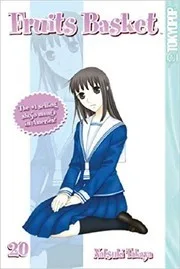





More Free Astrology & Cosmology Books
View all →