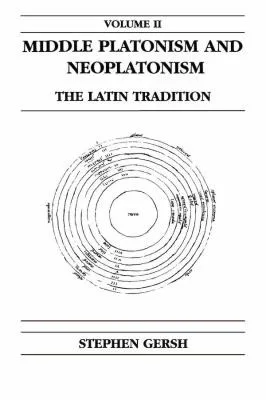
The magus
 81
81

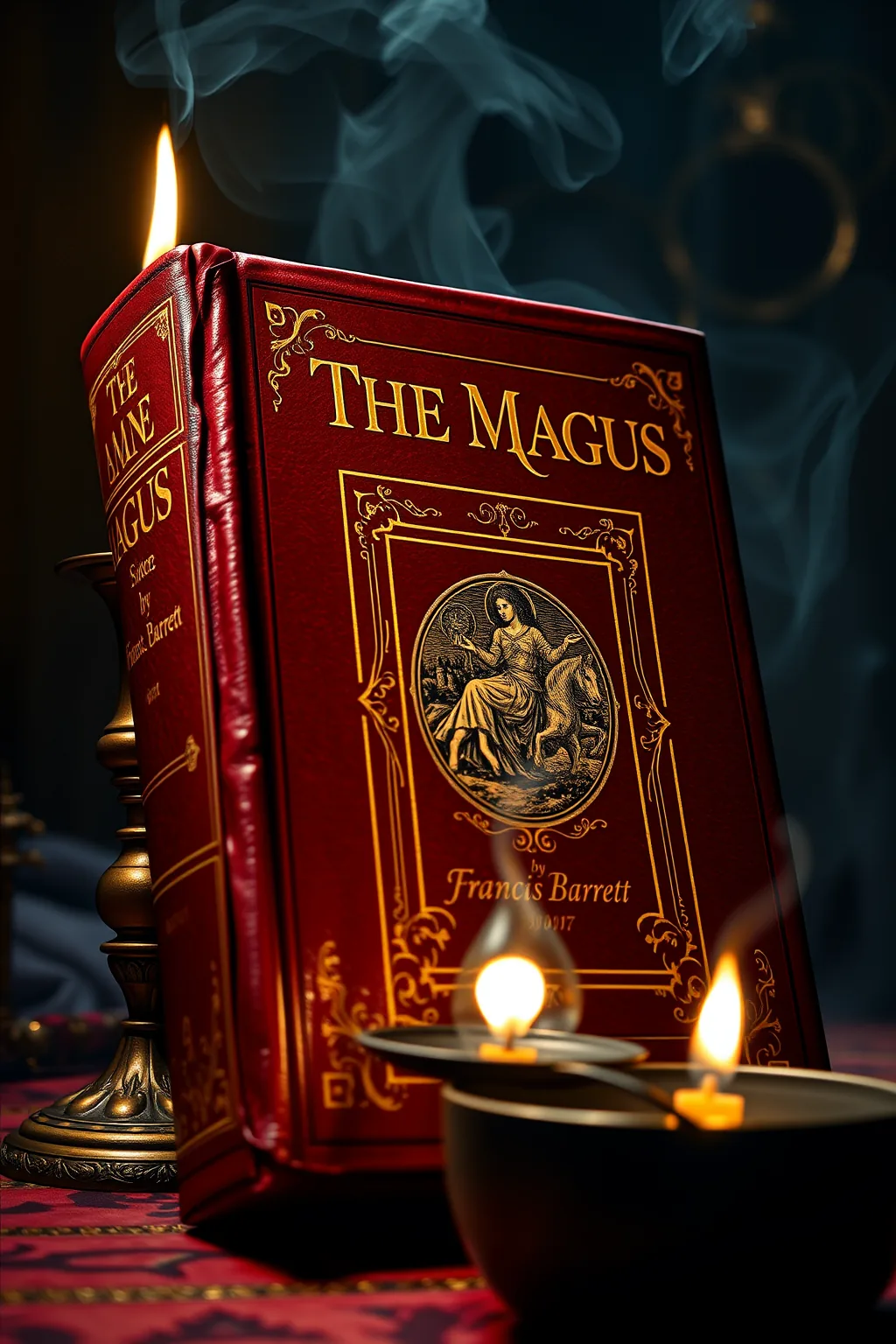
The magus
Francis Barrett's "The Magus" offers a dense, if somewhat unrefined, glimpse into the occult landscape of early 19th-century Britain. Its ambition to compile a systematic guide to magic is commendable, particularly its detailed descriptions of talismans and the invocation of angelic and elemental intelligences. The section on constructing magical circles and instruments, while demanding in its specificity, reveals the practical intent behind Barrett's theoretical discussions. However, the work often feels like a collection of disparate sources rather than a smoothly integrated whole. The prose can be dry, and the organization, while systematic, lacks the narrative flow found in later esoteric treatises. One limitation is the absence of a strong, guiding authorial voice to contextualize the sheer volume of information presented. Despite these points, its value as a historical document for understanding the lineage of modern ceremonial magic is undeniable. It remains a significant, if challenging, primary source.
📝 Description
81
Francis Barrett's 'The Magus,' published in 1801, is a comprehensive study of occult philosophy.
First printed in 1801, Francis Barrett's 'The Magus' compiles occult philosophy and ceremonial magic. It offers a broad survey of esoteric knowledge from the late 18th century, drawing on Hermeticism, Kabbalah, and older alchemical writings. The book is organized to lead readers through magical theory and practice, natural philosophy, the nature of spirits, talisman construction, and astrological principles.
This text is for those seriously studying Western esotericism and occult history. It is particularly relevant to understanding the historical foundations that shaped later magical movements, such as the Hermetic Order of the Golden Dawn. Readers interested in the historical roots of ritual magic, the creation of magical tools, and the philosophical ideas of early modern occultism will find 'The Magus' a valuable reference. The book demands patience and some prior familiarity with esoteric ideas.
Published in 1801, 'The Magus' appeared during a time of renewed spiritual and occult interest following the rationalism of the Enlightenment. Barrett's work acted as a link between older magical systems and the emerging occult revival of the 19th century. It aimed to unify scattered occult lore into a practical system for practitioners, appearing around the same time as Emanuel Swedenborg's spiritual accounts.
💡 Why Read This Book?
• Understand the foundational principles of 19th-century ceremonial magic, including the construction of magical apparatus and circles as detailed in Barrett's original text, offering a direct link to historical practice. • Explore the concept of the 'Great Work' as a holistic process of spiritual and intellectual development, as presented in the book, which goes beyond simple alchemical transformation. • Gain insight into the historical classifications and supposed interactions with various orders of spirits, as described by Barrett, providing a specific historical perspective on spiritual hierarchies and invocation techniques.
⭐ Reader Reviews
Honest opinions from readers who have explored this book.
❓ Frequently Asked Questions
When was Francis Barrett's 'The Magus' first published?
Francis Barrett's 'The Magus' was first published in 1801, making it a significant text from the early 19th-century occult revival period.
What are the main subjects covered in 'The Magus'?
The book covers a wide range of subjects including natural magic, the invocation of spirits, astrology, talismans, the construction of magical tools, and the principles of the Great Work.
Who was Francis Barrett and what is his significance?
Francis Barrett was an English occultist and magician whose 1801 work, 'The Magus,' compiled and systematized a vast amount of esoteric knowledge, influencing later generations of occultists.
Does 'The Magus' provide practical instructions for magical rituals?
Yes, 'The Magus' offers practical instructions, detailing the creation of magical circles, the use of divine names, the construction of talismans, and methods for invoking spirits.
What esoteric traditions influenced Francis Barrett's 'The Magus'?
Barrett drew heavily from Hermeticism, Kabbalah, alchemy, and earlier Grimoire traditions, synthesizing these elements into his comprehensive occult system.
Is 'The Magus' considered a difficult book to read?
While comprehensive, 'The Magus' can be challenging due to its dense prose, archaic language, and the technical nature of the occult concepts presented, requiring dedicated study.
🔮 Key Themes & Symbolism
Ceremonial Magic System
Barrett's 'The Magus' meticulously outlines a system of ceremonial magic intended for practical application. This includes detailed instructions for constructing magical circles, specific divine names to be used in invocations, and the proper preparation of ritualistic tools. The emphasis is on adhering to precise procedures, believing that correct form is paramount for achieving desired magical outcomes. This systematic approach reflects a desire to codify occult knowledge, making it accessible and actionable for the dedicated practitioner, bridging theoretical understanding with practical execution in the early 19th century.
Spirit Invocation and Hierarchy
A significant portion of 'The Magus' is dedicated to the nature and invocation of spirits. Barrett categorizes these beings into various orders, including angelic, elemental, and planetary intelligences, detailing their supposed attributes and correspondences. The book provides specific rituals and incantations designed to call forth these entities, stressing the importance of purity, intent, and the correct use of sacred names and symbols. This exploration of spiritual hierarchies reflects a worldview where the cosmos is populated by diverse spiritual forces that can be engaged with through ritual.
Talismans and Natural Magic
Barrett extensively discusses the creation and power of talismans, which are objects inscribed with symbols or figures believed to possess magical virtues derived from celestial influences or spiritual entities. He links these practices to 'natural magic,' the idea that mundane objects and phenomena can be imbued with occult power through the correct alignment of cosmic forces and the application of specific knowledge. The book details how astrological timing and the use of appropriate materials are crucial for the efficacy of these enchanted objects.
The Great Work as Transformation
Beyond mere alchemy, 'The Magus' presents the 'Great Work' (Major work) as a process of profound personal transformation. This encompasses not only the potential for spiritual enlightenment and union with the divine but also the elevation of the practitioner's intellect and will. Barrett implies that mastering the principles of magic and understanding the forces described in the book leads to a higher state of being. This concept positions the occult path as a journey of self-perfection and spiritual evolution, culminating in a complete metamorphosis.
💬 Memorable Quotes
Direct passages from the work, attributed to the author.
“The true art of Magick consists in the Knowledge of the Nature of all things.”
— This statement highlights Barrett's belief that magic is not arbitrary but rooted in a deep understanding of the natural world and its underlying principles, suggesting that mastery comes from profound study rather than mere ritual.
“Spirits are the messengers of the Almighty, and the ministers of His will.”
— Barrett frames spiritual entities as divine agents, emphasizing their role in executing cosmic law. This perspective integrates the practice of spirit invocation within a theological framework, portraying it as a means to interact with divine administration.
“The Circle is the perfect form, containing all powers within its bounds.”
— This refers to the magical circle, a fundamental tool in ritual. Barrett views its geometric perfection as a symbol of divine order and a protective, empowering space essential for containing and directing magical energies during operations.
“Talismans are made under celestial influences, to attract certain virtues.”
— This concisely explains the purpose and method behind talisman creation as described in the book, linking their potency directly to astrological timing and the channeling of specific cosmic energies or qualities.
“Magick is the highest, most secret, and most sublime of all Sciences.”
— This assertion elevates magic to the status of a supreme discipline, suggesting it encompasses a profound and hidden knowledge that surpasses all other fields of study in its depth and significance.
🌙 Esoteric Significance
Tradition
"The Magus" is firmly rooted in the Western Esoteric Tradition, particularly drawing from Hermeticism and Kabbalistic thought. It represents a significant attempt to compile and systematize the disparate elements of occult knowledge that had been developing since the Renaissance. Barrett sought to create a comprehensive manual that bridged theoretical understanding with practical application, fitting within the lineage of grimoires but aiming for a more philosophical and systematic presentation. It departs from purely theoretical works by emphasizing practical ritual, talisman construction, and spirit invocation as integral components of magical attainment.
Symbolism
Key symbols in "The Magus" include the magical circle, representing divine order, protection, and the microcosm containing macrocosmic forces. The use of specific divine names and sigils is paramount; these are not mere labels but conduits of power, embodying the essence of the entities they represent. The Pentagram, often used in rituals for invocation and banishing, symbolizes the five elements and the human microcosm, serving as a potent symbol of control and connection to spiritual forces within the described magical framework.
Modern Relevance
Contemporary practitioners of Western ceremonial magic, particularly those involved in traditions influenced by the Hermetic Order of the Golden Dawn, frequently reference "The Magus" as a historical source text. Its detailed instructions on ritual construction, talismans, and spirit invocation continue to inform modern magical practice. Thinkers and writers exploring the history of occultism and comparative religion also engage with Barrett's work to understand the evolution of esoteric thought and practice in the 19th century and its enduring impact on contemporary spiritual movements.
👥 Who Should Read This Book
• Students of Western Esotericism: Individuals seeking to understand the historical development and practical elements of ceremonial magic, particularly from the early 19th century, will find Barrett's systematic approach invaluable. • Aspiring Magicians: Those interested in the foundational texts that influenced later occult orders will benefit from the detailed instructions on ritual construction, talismans, and spirit invocation presented in the book. • Historians of Religion and Occultism: Researchers studying the evolution of occult thought, the influence of Hermeticism and Kabbalah, and the transition from older magical traditions to modern esoteric movements will find "The Magus" a critical primary source.
📜 Historical Context
Published in 1801, Francis Barrett's "The Magus" emerged in an era ripe for esoteric revival. The preceding Enlightenment had largely sidelined spiritual and mystical inquiries, but the late 18th and early 19th centuries saw a resurgence of interest in the occult, spiritualism, and ancient wisdom traditions. Barrett's work served as a crucial synthesizer, drawing from a rich, albeit fragmented, lineage of Western esotericism, including Hermetic philosophy, Kabbalah, and alchemical texts that had circulated for centuries. It predated the formalization of movements like the Hermetic Order of the Golden Dawn by several decades, yet it laid much of the groundwork for their later ceremonial practices. While contemporaries like Emanuel Swedenborg had already explored spiritual realms, Barrett focused on providing a practical, systematic manual for magical operations. The book's publication by D.N. Shury in London marked a significant attempt to codify and disseminate these complex ideas to a new generation of seekers.
📔 Journal Prompts
The principles behind constructing a magical circle, as detailed in "The Magus".
Barrett's classification of spirit orders and their purported functions.
The concept of the Great Work as a transformative process.
The role of divine names and sigils in invoking spiritual entities.
The creation and purpose of talismans according to natural magic.
🗂️ Glossary
Magus
A term referring to a practitioner of magic, particularly one skilled in occult arts and philosophy. In the context of Barrett's work, it signifies a learned individual engaged in the highest forms of esoteric science.
Great Work (Major work)
The ultimate aim of alchemy and magic, often understood as the spiritual and intellectual transformation of the practitioner, leading to enlightenment or union with the divine, rather than solely material transmutation.
Talismans
Objects, typically inscribed with symbols or figures, that are believed to possess magical properties and exert influence by drawing upon celestial energies or spiritual forces when properly consecrated and timed.
Natural Magic
A branch of magic concerned with the hidden virtues and powers of natural objects and phenomena, believing that these can be understood and manipulated through knowledge of correspondences and celestial influences.
Spirits
In Barrett's cosmology, these are diverse entities inhabiting various planes of existence, including angelic, elemental, and planetary intelligences, which can be invoked or communicated with through specific rituals.
Circle of Art
A consecrated space, typically a circular area marked on the ground, used in ceremonial magic to protect the practitioner and focus magical energies during ritual operations.
Sigils
Mystical symbols or characters, often derived from divine names or the essence of a spirit, used in magical operations to represent and invoke specific entities or powers.
🔮 Readers Also Liked
Browse all →







More by Francis Barrett
All books →



More Free Alchemy & Hermeticism Books
View all →