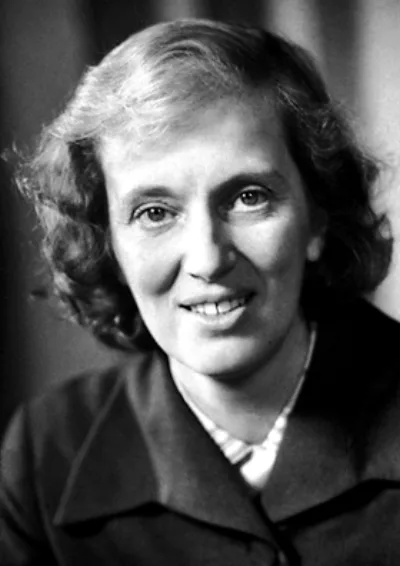
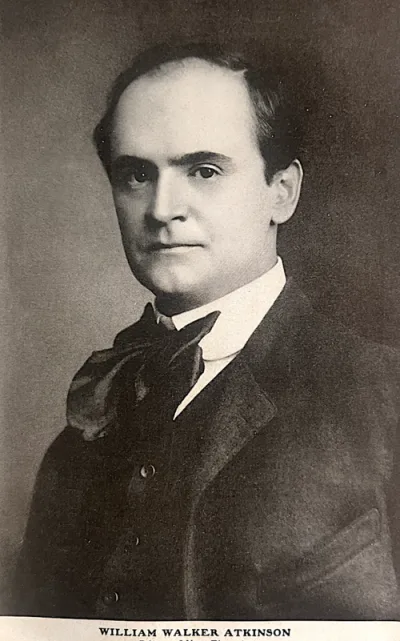
✍️ Author Biography
World Astrology
🌍 Indian
📚 2 free books
Natal astrology uses birth details to create a horoscope, analyzing planetary positions and aspects to understand personality and life path.
Natal astrology, also known as genethliac astrology, is a practice that aims to interpret an individual's personality and life journey by creating a horoscope based on their exact birth date, time, and location. This system, found in various traditions like Indian, Chinese, Hellenistic, and Western astrology, involves mapping the positions of celestial bodies such as the Sun, Moon, and planets, along with their angular relationships (aspects) and houses. The interpretation involves analyzing these placements, with specific attention given to features like the Ascendant (Rising Sign) and planetary aspects near key angles. The practice is generally regarded as a pseudoscience by the scientific community due to a lack of statistical evidence supporting causal links between horoscopes and life events.
Horoscope Construction and Interpretation
A natal chart, or horoscope, is a diagram representing the positions of the Sun, Moon, planets, and significant points like the Ascendant and Midheaven at the precise moment of an individual's birth. The relationships between these celestial bodies, known as aspects, are also crucial. Interpretation involves assessing the significance of these placements and aspects. Techniques like chart weighting are used to analyze the influence of Zodiac Signs and Houses. For instance, if multiple planets fall within Fire Signs, the characteristics associated with those signs are considered to carry more weight in defining personality. Similarly, chart shaping examines patterns formed by the planets' aspects and relative positions.
Key Astrological Components
Within a natal chart, several features hold particular importance. These include the planets, aspects, Zodiac Signs, and Houses. The Ascendant, also called the Rising Sign or Chart Ruler, is considered highly influential, as are the first three houses following it. If no planet is in these houses, a planet in the twelfth house nearest the Ascendant might be designated as the Rising Sign. Planetary aspects that occur close to the Ascendant, Midheaven, Descendant, and Immum Coeli are also noted for their significance.
Chart Weighting: Signs and Elements
Chart weighting analyzes the dominance of certain categories within a natal chart, such as Zodiac Signs and Houses. Weighting by sign involves examining the masculine (Fire, Air) and feminine (Earth, Water) polarities, as well as the elements (fire, earth, air, water) and their qualities (cardinal, fixed, mutable). For example, a prevalence of Fire Signs might suggest an energetic and optimistic personality, while a dominance of Earth Signs could indicate a practical and grounded individual. Some astrologers may exclude modern planets like Uranus, Neptune, and Pluto due to their generational influence, focusing instead on the classical planets and the Ascendant/Midheaven.
Chart Weighting: Qualities and Houses
The qualities of Cardinal, Fixed, and Mutable signs also play a role in chart weighting. Cardinal signs (Aries, Cancer, Libra, Capricorn) are associated with initiating action, Fixed signs (Taurus, Leo, Scorpio, Aquarius) with stability and endurance, and Mutable signs (Gemini, Virgo, Sagittarius, Pisces) with adaptability and transition. The influence of planets within different Houses is also considered. Angular Houses (1st, 4th, 7th, 10th) are seen as powerful, Succedent Houses (2nd, 5th, 8th, 11th) relate to creativity and possessions, and Cadent Houses (3rd, 6th, 9th, 12th) are associated with developing aptitudes and talents. These house placements can sometimes compensate for a perceived lack in specific sign qualities or elements within the chart.
Key Ideas
- Natal astrology interprets personality and life path based on birth details.
- Horoscopes map celestial positions and aspects at the time of birth.
- Chart weighting analyzes the influence of zodiac signs, elements, qualities, and houses.
- Ascendant (Rising Sign) and aspects to angles are considered highly significant.
- Astrology is considered a pseudoscience by the scientific community.