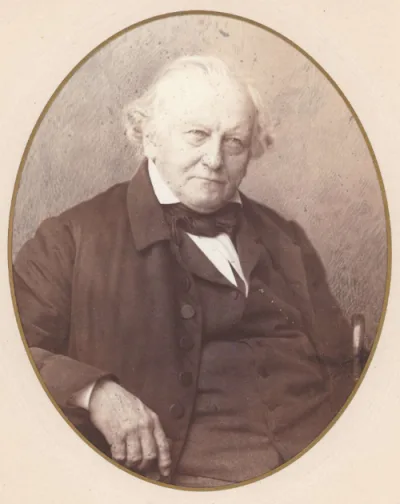
Stukeley, William
William Stukeley was an 18th-century antiquarian who documented the Avebury stone circle during its period of destruction.
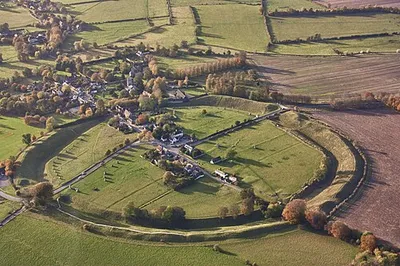
William Stukeley, an antiquarian of the 18th century, played a role in documenting the Avebury henge monument in Wiltshire, England. This large Neolithic site, comprising stone circles within a bank and ditch, is one of Britain's most significant prehistoric locations. While its original purpose remains unknown, it is believed to have been used for ritualistic activities. The monument's history spans millennia, from its construction in the 3rd millennium BC through periods of abandonment, gradual village encroachment, and significant stone destruction by local populations. Stukeley's interest, alongside that of John Aubrey in the preceding century, was crucial in recording the site's state during these destructive phases. Archaeological investigations in the 20th century and ongoing management by the National Trust have aimed to preserve and understand this World Heritage Site.
Documentation of Avebury
During the late medieval and early modern periods, the Avebury henge monument experienced considerable destruction, with local people dismantling many standing stones for practical and religious reasons. It was during this era of decline that antiquarians John Aubrey, in the 17th century, and William Stukeley, in the 18th century, turned their attention to the site. Stukeley, in particular, meticulously recorded much of what remained of the monument amidst its ongoing dismantling. His efforts, along with Aubrey's earlier work, provided invaluable documentation of the Avebury site's condition and layout at a time when its physical integrity was severely compromised, preserving crucial information for future study and understanding.
Avebury: A Neolithic Monument
Avebury is a vast Neolithic henge monument located in Wiltshire, England, notable for its immense stone circles, including the largest megalithic circle globally. Constructed over centuries starting in the third millennium BC, it consists of a large earthwork (henge) enclosing multiple stone circles. Archaeologists theorize its primary function was ritualistic, though its exact purpose is unknown. The monument is part of a broader prehistoric landscape that includes other significant sites like West Kennet Long Barrow and Silbury Hill. By the Iron Age, Avebury was largely abandoned, though some activity occurred during the Roman period. Later, a village grew around and within the monument, leading to the removal of many stones.
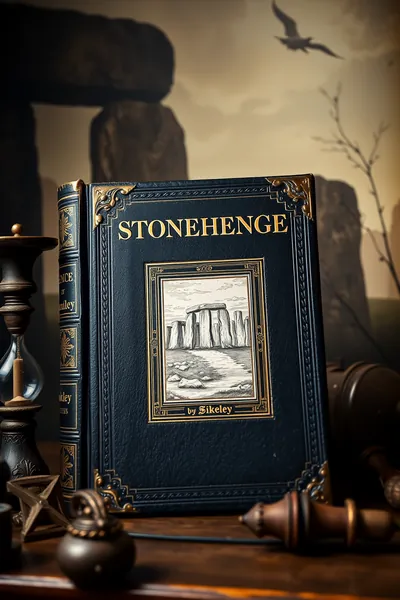
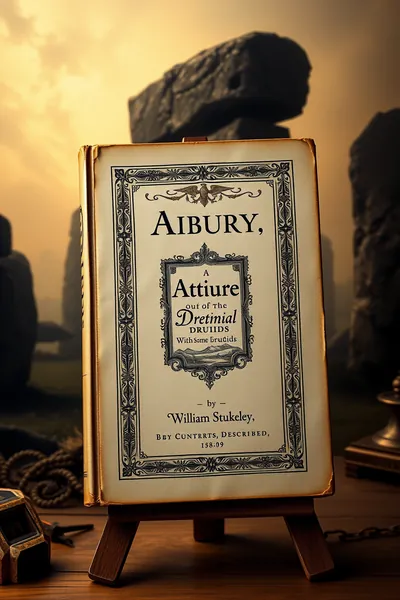
Books by Stukeley, William
2 free public domain books · Read online or download