Simon J Kistemaker
The Second Epistle of Peter, attributed to the Apostle Peter, is debated by scholars regarding its authorship and date of composition.
The Second Epistle of Peter, written in Koine Greek, identifies its author as Simon Peter. Traditionally, the epistle is attributed to the Apostle Peter, but a significant portion of critical scholars view it as pseudepigraphal, meaning it was written by followers using Peter's name. Scholarly estimates for its composition date range widely, from around AD 60 to as late as 150, with some favoring a period between 80 and 90, and others placing it within the 2nd century.
Debates surrounding its authenticity and date involve both external and internal evidence. External evidence has been analyzed concerning its potential citation by early Christian writers, though interpretations vary. Internal arguments against Petrine authorship often focus on its literary style, its relationship with other New Testament writings, particularly the Pauline epistles, and its linguistic differences from the First Epistle of Peter. Some scholars suggest it belongs to the ancient 'testament' literary genre, characterized by ethical warnings and future revelations.
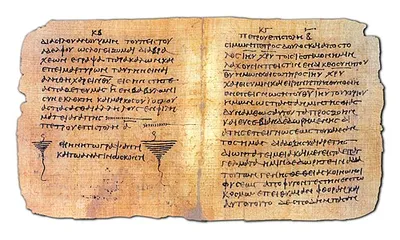
Linguistic analysis highlights significant differences in vocabulary and style between 1 Peter and 2 Peter, leading some to conclude they were not written by the same hand. However, proponents of Petrine authorship suggest the use of different scribes or secretaries. The epistle's relationship with the Epistle of Jude is also noted, with most scholars believing 2 Peter drew from Jude. Early manuscripts confirm its existence from the 3rd/4th century onward.
Authorship and Dating Debates
The authorship of 2 Peter is a subject of considerable scholarly debate. While the epistle itself claims to be written by the Apostle Peter, many critical scholars consider it pseudepigraphal, attributing its composition to one or more of Peter's followers using his name. This view stems from various factors, including linguistic differences when compared to 1 Peter, and its apparent reliance on the Epistle of Jude. The dating of 2 Peter is also contentious, with estimates ranging from AD 60 to 150. Some scholars lean towards a date between 80 and 90, while others place it within the 2nd century. Arguments for a literal interpretation, suggesting a date around AD 64–68, are based on traditional accounts of Peter's martyrdom and a passage in 2 Peter 1:14 that alludes to his impending death.
Literary and Linguistic Analysis
Scholarly analysis of 2 Peter delves into its literary style and linguistic features. Some argue that the epistle fits the ancient 'testament' genre, characterized by farewell addresses, ethical exhortations, and predictions of future events, suggesting a deliberate literary construction. Linguistically, significant differences in vocabulary and style exist between 2 Peter and 1 Peter. Scholars like Bart D. Ehrman point to Peter's background as potentially unlettered or from a small, monolingual town as reasons why he might not have authored a text with 2 Peter's complexity. Conversely, those who defend Petrine authorship propose that the use of different scribes or amanuenses could account for these variations. The Greek style of 2 Peter is sometimes described as elaborate or rhetorically artificial, contrasting with the style of 1 Peter.
Relationship with Other Texts
A notable aspect of 2 Peter is its relationship with other biblical and early Christian writings. The epistle refers to the Pauline letters, implying it was written after at least some of them, making a date before AD 60 improbable. It even designates Pauline epistles as 'scripture,' a rare occurrence in New Testament works. The strong textual similarities between 2 Peter and the Epistle of Jude lead most scholars to believe that one borrowed from the other, with the prevailing view being that 2 Peter adapted material from Jude. There is also discussion about whether 2 Peter might have drawn from the lost 'Apocalypse of Peter.' The canonical acceptance of 2 Peter was not immediate, with early figures like Origen noting doubts about its authenticity.
Key Ideas
- Pseudepigraphy in early Christian literature
- Literary genre analysis (e.g., 'testament')
- Textual criticism and authorship attribution debates
- Relationship between New Testament texts
Books by Simon J Kistemaker
0 free public domain books · Read online or download
