Sanmu Tang
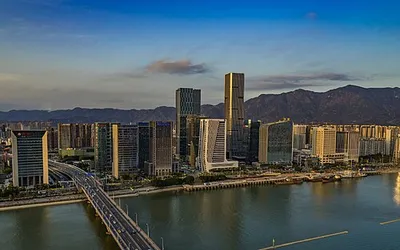
Sanmu Tang is a figure associated with Fuzhou, a historically significant Chinese city with ancient roots and a rich cultural heritage.
Fuzhou, the capital of Fujian province, is a city with a long and complex history, dating back to prehistoric settlements. Archaeological evidence suggests early inhabitants had connections with Austronesian peoples and were among the first to cultivate rice. The region was later known as Minyue, a state that eventually became integrated into the Chinese empire during the Qin dynasty.
Throughout subsequent dynasties, Fuzhou served various roles, including a shipbuilding center and a hub for cultural and economic development. It experienced significant population growth and became a center for education and scientific research. The city's name has evolved over centuries, and it has been known by various romanizations in English. Its strategic location and historical importance have made it a crossroads for trade, migration, and cultural exchange.
Ancient Origins and Cultural Development
The area of Fuzhou has been inhabited since prehistoric times, with archaeological findings indicating genetic links between early residents and Austronesian populations. Sites like Keqiutou reveal the earliest known rice cultivation in Fujian and connections to Taiwanese cultures. Later, the Huqiutou and Tanshishan neolithic cultures flourished in the region. During the Warring States period, the area was part of Minyue, formed by the migration of Yue people into Fujian. Minyue was eventually incorporated into the Qin Empire. The city, then known as Ye, saw a significant migration of Chinese into the south and southeast during the Jin dynasty, contributing to its development.
Prosperity and Scholarly Pursuits
Fuzhou experienced considerable growth and cultural advancement during the Tang dynasty, with the adoption of Buddhism and the construction of numerous temples. By the Song dynasty, the city became a prominent center for refined culture and education, producing a notable number of top scholars in imperial examinations. It was also home to significant architectural achievements, including ancient wooden structures. The city attracted renowned scholars and poets, contributing to its intellectual vibrancy. During the Yuan dynasty, it was noted by travelers like Marco Polo and Odoric of Pordenone. The Ming dynasty saw Fuzhou as a base for Admiral Zheng He's voyages and a key trading port.
Trade and Western Encounters
Fuzhou's role as a significant port continued through the Ming and Qing dynasties. It was a point of departure for Admiral Zheng He's naval expeditions and later became a monopoly for Philippine trade. The city also hosted an embassy from the Ryukyu Kingdom. During the Qing dynasty, Fuzhou became a treaty port after the First Opium War, opening to Western merchants and missionaries. This period marked the establishment of Protestant missions in the city. The city's historical significance is further highlighted by its mention in various historical accounts and its continuous evolution as a major urban center.
Books by Sanmu Tang
2 free public domain books · Read online or download