Rocky Sung
The opening song of The Rocky Horror Show and film, "Science Fiction/Double Feature," pays homage to and parodies B-movies.
The song "Science Fiction/Double Feature" serves as the opening number for the original 1973 stage production, The Rocky Horror Show, and its 1975 film adaptation, The Rocky Horror Picture Show. Written by Richard O'Brien, the song and the show itself are a tribute to and parody of various low-budget science fiction and horror films and serials from the 1950s. The lyrics are constructed from fragments of these films, drawing parallels to avant-garde artistic techniques like those of Tristan Tzara, though with intentional rhyming and structural cohesion.
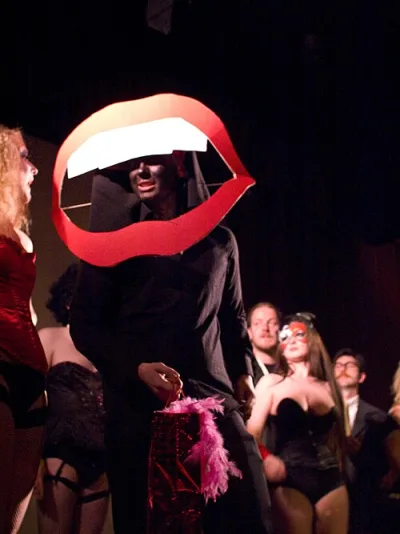
In the stage production, the song is performed by the Usherette, who is also known by informal names like "Miss Strawberry Time" and "Trixie." For the film, the song is performed by Richard O'Brien, with co-star Patricia Quinn lip-syncing as a pair of iconic red lips. This visual representation was inspired by surrealist art and theatrical works. While the initial concept for the film involved showing clips from the referenced movies, this was abandoned due to the prohibitive cost of acquiring the rights. The song's musical structure involves a reprise at the end, with lyrics that comment on the story's conclusion.
Artistic Influences and Composition
The visual presentation of "Science Fiction/Double Feature" in the film adaptation draws inspiration from artistic works such as Man Ray's painting "A l'heure de l'observatoire, les Amoureux" and Samuel Beckett's play "Not I." The opening sequence features disembodied lips against a black background, a striking image that has become iconic. Patricia Quinn, who played Magenta, had her head secured to keep it still during filming while lip-syncing to Richard O'Brien's vocals. The song's lyrical construction, using fragments from B-movies, has been compared to the poetic methods of Tristan Tzara, who created poems by randomly selecting words. However, the lyrics in "Science Fiction/Double Feature" are deliberately arranged to rhyme and form a cohesive narrative, distinguishing it from pure chance-based composition.
Stage vs. Film Presentation
In the original 1973 stage production of The Rocky Horror Show, "Science Fiction/Double Feature" is introduced by the Usherette character as she enters the dimmed theater, carrying a refreshment tray. A spotlight follows her as she moves through the audience and onto the stage. The film version, released in 1975, opted for a more stylized approach. Production designer Brian Thomson conceived the idea of using Patricia Quinn's mouth, heavily made up with red lipstick, against a stark black background. This created a memorable and abstract visual for the prologue and opening credits. The original plan for the film was to incorporate actual clips from the referenced B-movies, but this idea was ultimately discarded due to the significant expense of securing the necessary film rights in 1974.
Musical Structure and Thematic Elements
The song "Science Fiction/Double Feature" functions as both an introduction and a thematic anchor for The Rocky Horror Show and its film adaptation. It is presented at the beginning of the narrative, setting a tone of homage and playful mockery towards classic science fiction and horror cinema. A reprise of the song appears towards the end of the show, offering lyrical commentary on the events that have transpired throughout the story. Musically, the song is composed in the key of A major, with its concluding reprise shifting to B♭ major, adding a subtle but distinct change in musical landscape. The lyrics themselves are a collage of references to specific films, actors, and novels within the science fiction and horror genres, creating a meta-textual layer that engages with cinematic history.
Key Ideas
- Homage to and parody of 1950s science fiction and horror B-movies.
- Lyrical construction using fragments from genre films, arranged for rhyme and cohesion.
- Visual representation inspired by surrealist art and theatrical techniques.
- Thematic framing of the narrative through an opening and closing musical number.
Books by Rocky Sung
4 free public domain books · Read online or download