Richard Jefferies
Richard Jefferies was an English nature writer whose childhood farm life deeply influenced his works on rural England, nature mysticism, and intense personal experience.
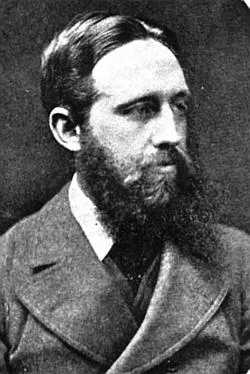
John Richard Jefferies (1848–1887) was an English author celebrated for his vivid portrayals of rural English life, presented through essays, natural history books, and novels. His formative years spent on a small Wiltshire farm served as the bedrock for his literary creations. Throughout his adult life, Jefferies contended with tuberculosis and financial hardship, experiences that also found their way into his writing. He placed significant value on cultivating intense sensory and emotional experiences of the world, a process he detailed in "The Story of My Heart." This introspective work, alongside his ability to capture the essence of nature and its inhabitants in both fiction and essay collections, earned him recognition as a nature mystic during his time. His profound connection to the natural world deeply resonated with readers, as noted by Walter Besant, who felt Jefferies revealed hidden wonders of existence.
Jefferies's early life on his family's farm in Wiltshire, though eventually leading to financial struggles for his father, provided rich material for his writing. He spent considerable time outdoors, developing a deep familiarity with shooting, snaring, and observing the natural environment, experiences that mirrored the adventures of characters in his books like "Bevis." His early career included newspaper reporting, where he also developed an interest in local history and archaeology. Despite early struggles to find publishers for his novels, his series of letters to The Times concerning agricultural laborers brought him initial public attention. His marriage and subsequent move to Tolworth marked a period of significant literary output, where he began to establish his reputation as a distinctive voice in nature writing.
Early Life and Influences
Born in Wiltshire in 1848, Richard Jefferies's childhood on his family's modest farm profoundly shaped his literary perspective. This rural upbringing instilled in him a deep connection with the natural world, evident in his detailed observations of wildlife, landscapes, and the rhythms of country life. His early experiences included activities like shooting, fishing, and sailing on a reservoir, which later informed the adventurous narratives of his fictional characters. Despite a period of formal schooling and an early attempt at travel to France and America, Jefferies was drawn back to the countryside, often perceived as an eccentric figure due to his solitary habits and unconventional appearance. He began his career in journalism, reporting on local affairs and developing an interest in antiquarian subjects. Early bouts of illness, which foreshadowed his later struggle with tuberculosis, also prompted introspection and a desire for personal refinement.
Literary Development and Themes
Jefferies's literary journey progressed from local journalism to acclaimed nature writing. While initially facing difficulties in getting his novels published, his essays, often first appearing in newspapers like The Pall Mall Gazette, gained significant attention. Collections such as "The Gamekeeper at Home," "Wild Life in a Southern County," and "The Amateur Poacher" established his reputation for insightful observations of rural existence and the natural world. A key element in his work is the intense focus on personal experience and the cultivation of heightened sensory awareness, particularly detailed in "The Story of My Heart." This introspective approach, combined with his evocative descriptions of nature, led contemporaries to view him as a nature mystic, someone who perceived deeper spiritual or philosophical truths within the natural environment. His writing often blended detailed natural history with a lyrical, almost spiritual, appreciation of the English countryside.
Later Works and Recognition
In his later years, Jefferies produced works that expanded his thematic scope, including the science fiction novel "After London" and the classic children's book "Bevis." His continued engagement with the natural world, however, remained central. Despite battling chronic illness, notably tuberculosis, and facing financial difficulties, he continued to write prolifically. His unique ability to convey a profound awareness of nature and humanity's place within it garnered him a dedicated following. Critics and readers alike recognized his singular talent for revealing the extraordinary within the ordinary aspects of rural life, prompting reflections on how often such wonders go unnoticed. His legacy rests on his authentic depiction of the English landscape and his exploration of the deep, often mystical, connection between the human spirit and the natural world.
Key Ideas
- Intense cultivation of sensory and emotional experience of the natural world.
- Deep connection between the human spirit and nature.
- Portrayal of English rural life and its inhabitants.
- Exploration of the hidden wonders and spiritual aspects of nature.
Notable Quotes
“Why, we must have been blind all our lives; here were the most wonderful things possible going on under our very noses, but we saw them not.”
Books by Richard Jefferies
2 free public domain books · Read online or download