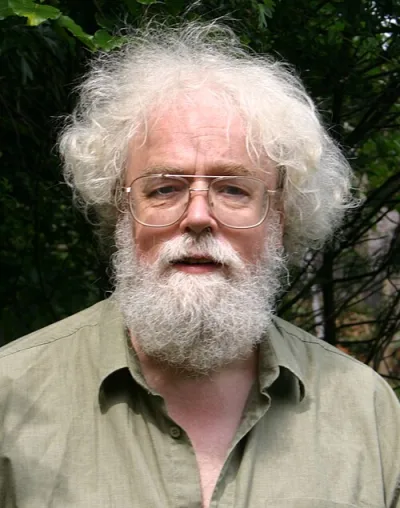
Philip Heselton is a Wiccan writer and researcher known for his work on Gerald Gardner and the origins of Wicca.
Philip Heselton, born in 1946, is a retired British conservation officer who has become a notable author and researcher in the fields of Wicca, Paganism, and Earth mysteries. His academic background in Geography and career in Town and Country Planning, culminating in a role as a Conservation Officer, informed his later work. Heselton's writing career began with contributions to publications focused on ley lines and Earth mysteries, including editing early issues of 'The Ley Hunter' journal and founding 'Northern Earth'.
Since 2000, Heselton has dedicated his publications to exploring the origins of Wicca, with a particular focus on the life and work of Gerald Gardner. His books such as 'Wiccan Roots' and 'Gerald Gardner and the Cauldron of Inspiration' have been praised for their detailed research into Gardnerian Wicca and the New Forest coven. While scholarly reviews acknowledge his dedication and depth of research, some have also noted a tendency towards interpreting evidence in a way that supports traditional accounts of Wicca's origins. Heselton's extensive biography of Gerald Gardner, 'Witchfather', is considered a significant contribution to the field.
Early Interests and Earth Mysteries
Philip Heselton's engagement with esoteric subjects began in the 1960s and 1970s, particularly with the study of ley lines. He has been credited with playing a key role in the post-war resurgence of interest in Alfred Watkins' theories about these supposed ancient trackways. Heselton was instrumental in forming the Ley Hunters' Club in 1962, a revival of Watkins' earlier organization. This group explored hypotheses connecting ley lines not only to prehistoric routes but also to phenomena such as UFOs. Heselton's editorial work on the club's journal, 'The Ley Hunter', and his founding editorship of 'Northern Earth' from 1979 to 1988, demonstrate his early commitment to disseminating research in this area. His background in geography and town planning likely influenced his perspective on landscape and its potential connections to ancient energies and mysteries.
Research into Gerald Gardner and Wicca
Heselton is most recognized for his extensive research into the origins of Wicca and its central figure, Gerald Gardner. His books, including 'Wiccan Roots: Gerald Gardner and the Modern Witchcraft Revival' and 'Gerald Gardner and the Cauldron of Inspiration', meticulously examine historical evidence related to the New Forest coven and the development of Gardnerian Wicca. These works have been lauded by some scholars as groundbreaking in their depth of investigation into Gardner's life and influences. However, academic assessments have also pointed out Heselton's interpretative approach, suggesting that his desire to validate Gardner's narrative may shape his conclusions. Nevertheless, his contributions are widely regarded as essential reading for anyone studying the foundational history of modern witchcraft.
Major Biographical Works
Building upon his earlier research, Heselton published a comprehensive two-volume biography, 'Witchfather: A Life of Gerald Gardner', in 2012. This work is considered the first posthumous biography of Gardner and offers an exhaustive account of his life and role in the witchcraft revival. More recently, Heselton undertook the biography of Doreen Valiente, 'Doreen Valiente: Witch', commissioned by John Belham-Payne. These biographical endeavors have been praised for their detailed scholarship and contribution to understanding key figures in Wiccan history, solidifying Heselton's reputation as a leading independent researcher in Pagan studies.
Key Ideas
- Historical research into the origins of Gardnerian Wicca
- Exploration of Gerald Gardner's life and influences
- Investigation of the New Forest coven
- Revival and study of ley line theories and Earth mysteries
Books by
6 free public domain books · Read online or download