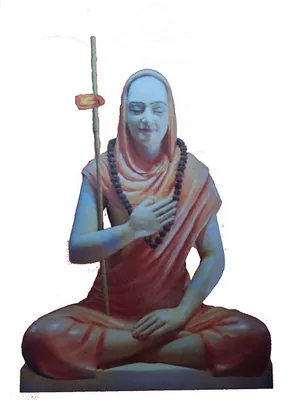
Paramaha Sa Mi Ra
Advaita Vedānta, an ancient Hindu philosophy, evolved significantly through key figures like Gaudapada and Shankara, influencing Indian thought.
Advaita Vedānta, one of the oldest Hindu philosophical traditions, traces its roots to the Common Era and solidified in the 6th-7th centuries CE. Key figures like Gaudapada and Maṇḍana Miśra laid the groundwork, with Adi Shankara becoming its most recognized proponent, though his fame grew considerably later, particularly during periods of Muslim rule in India. The tradition absorbed influences from yogic practices and texts like the Yoga Vāsiṣṭha and the Bhāgavata Purāṇa during the medieval era. In the 19th century, Advaita Vedānta became a symbol of Hindu spirituality, especially in relation to Western perspectives and Indian nationalism, and its ideas continue to appear in modern Neo-Vedānta movements.
The historical understanding of Advaita Vedānta has been shaped by Orientalist scholarship, which often viewed the medieval period as one of decline and the colonial era as a rediscovery of authentic Indian philosophy. Modern critiques challenge these Orientalist notions, yet some academic perspectives still reflect these older interpretations. The foundational texts of Advaita Vedānta are the Upanishads, with philosophical systematization provided by schools like the Brahma Sūtras, compiled around 400-450 AD. Early Advaita thinkers, predating Shankara, include Bhartṛhari and Gaudapada, whose Māṇḍūkya Kārikā is the oldest surviving complete Advaita text.
Foundations and Early Development
Advaita Vedānta stands as the most ancient surviving school within the Vedānta philosophical tradition, recognized as one of the six orthodox Hindu philosophies. Its origins can be traced to the beginning of the Common Era, but it gained clear form in the 6th-7th centuries CE through the significant contributions of Gaudapada and Maṇḍana Miśra. Adi Shankara is traditionally considered its paramount exponent, although his widespread fame and cultural impact emerged centuries later, especially during the period of Muslim rule in India. During medieval times, the living Advaita tradition integrated elements from yogic traditions and texts such as the Yoga Vāsiṣṭha and the Bhāgavata Purāṇa. By the 19th century, Advaita Vedānta was often presented as the quintessential example of Hindu spirituality, influenced by interactions with Western thought and the rise of Indian nationalism, despite the prevalence of devotional religious practices.
Historiography and Academic Perspectives
The study of Advaita Vedānta's history has been significantly influenced by Orientalist perspectives. These views often characterized the medieval period under Muslim rule as a time of intellectual stagnation, suggesting that the original purity of Upanishadic teachings, as systematized by figures like Shankara, was lost. According to this perspective, the genuine achievements of Indian civilization were only recognized during British colonial rule, thanks to the efforts of Western Indologists who saw Advaita Vedānta and Shankara as representing the authentic philosophy of the Upanishads. While postcolonial studies and critiques of Orientalism have challenged these interpretations, some academic circles continue to hold onto these older understandings of pre-colonial Indian history. Contemporary scholars note that a comprehensive account of Advaita Vedānta's history leading up to the colonial period remains incomplete.
Key Early Thinkers and Texts
The Upanishads serve as the foundational texts for Vedānta, providing the basis for its interpretations. The philosophical inquiry into these texts was undertaken by various darsanas, or philosophical schools. The Brahma Sūtras, also known as the Vedānta Sūtras, were compiled around 400–450 AD and are considered a critical study of Upanishadic teachings. Bādarāyana, the likely author of the Brahma Sūtras, refers to seven earlier Vedāntic teachers, indicating that the Upanishads had already been extensively analyzed and interpreted. Before Maṇḍana Miśra and Shankara, significant Advaita texts included Bhartṛhari's Vākyapadīya (5th century) and Gaudapada's Māṇḍukya Kārikā (7th century). Later scholarship also identified the Sannyasa Upanishads as early Advaita works. Many other writings from the period between the Brahma Sūtras and Shankara are believed to have been lost.
Gaudapada and the Māṇḍukya Kārikā
Gaudapada, a pivotal figure who predated Adi Shankara, is credited with writing or compiling the Māṇḍukya Kārikā, also known as the Gauḍapāda Kārikā or Āgama Śāstra. This text is a verse commentary on the Māṇḍūkya Upanishad and is the oldest extant complete work associated with Advaita Vedānta. Gaudapada incorporated concepts such as Ajātivāda (non-origination) and Māyā (illusion) to argue that the world, from an ultimate perspective, is illusory, akin to a dream. He drew upon Yogachara Buddhist ideas, specifically 'vijñapti-mātra' (mind-only) and the 'four-cornered negation,' integrating them into the philosophy of the Māṇḍūkya Upanishad. This approach posits pure, attributeless consciousness as the ultimate reality, with the perceived world being a mental construct or illusion. The Māṇḍūkya Upanishad itself gained significant importance as an expression of Advaita philosophy, particularly after Shankara's era.
Key Ideas
- Ajātivāda (non-origination)
- Māyā (illusion)
- Vijñapti-mātra (mind-only)
- Four-cornered negation
Books by Paramaha Sa Mi Ra
0 free public domain books · Read online or download
