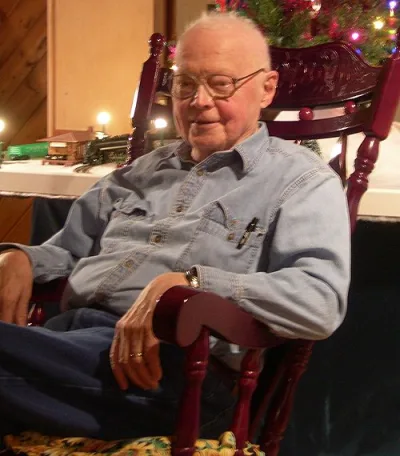
Fred Saberhagen was an American author known for his science fiction and fantasy works, including the Berserker series.
Fred Saberhagen (1930–2007) was an American author celebrated for his contributions to science fiction and fantasy literature. He is most recognized for his extensive "Berserker" series, which explored themes through short stories and novels. Beyond this, Saberhagen penned a series of vampire novels featuring Dracula as the central character and a collection of post-apocalyptic novels that began with the "Empire of the East" and continued with the "Swords" and "Lost Swords" series.
Born and raised in Chicago, Saberhagen served in the U.S. Air Force during the Korean War. After his military service, he worked as an electronics technician before dedicating himself to writing. His career began with a sale to Galaxy Magazine in 1961, followed by his first "Berserker" story in 1963 and his debut novel in 1964. He also contributed to the Encyclopædia Britannica as an editor and writer. Saberhagen was a practicing Catholic, and his faith occasionally surfaced in his writings. He passed away in Albuquerque, New Mexico, from prostate cancer.
Literary Career and Themes
Fred Saberhagen's literary output spanned multiple genres within speculative fiction. His most enduring creation is the "Berserker" series, which established him as a prominent voice in science fiction. This series, along with his vampire novels featuring Dracula and his mytho-magical post-apocalyptic narratives, demonstrates a consistent engagement with established archetypes and mythologies, reinterpreting them within new narrative frameworks. His work often involved exploring the conflict between humanity and advanced technology or supernatural forces, often with a heroic or mythic undertone.
Early Life and Influences
Born in Chicago, Saberhagen's formative years included military service in the U.S. Air Force during the Korean War. His subsequent work as an electronics technician provided a practical understanding of technology that may have informed his science fiction narratives. The decision to pursue writing full-time after his tenure at Motorola and his editorial work for the Encyclopædia Britannica marked a significant shift, allowing him to focus on his creative endeavors. His Catholic faith was a personal aspect that occasionally influenced his writing, suggesting a grounding in traditional values even as he explored futuristic or fantastical concepts.
Books by
2 free public domain books · Read online or download